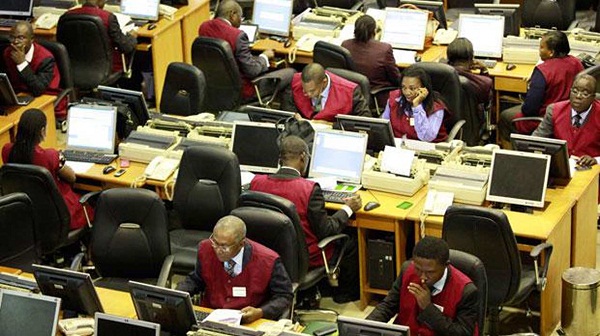
In maintaining its support for the development of the Nigerian debt markets, FMDQ Securities Exchange Limited (“FMDQ Exchange” or the “Exchange”) continues to use its platform, to efficiently enhance the registration, listing, quotation and trading of debt securities in the Nigerian financial markets space.
In this regard, the Board Listings and Markets Committee of the Exchange has approved the registration of the CardinalStone Partners Limited ₦20.00 billion Commercial Paper (“CP”) Programme on the Exchange platform.
CardinalStone Partners Limited (the “Issuer”) is a multi-asset investment management firm that provides services encompassing financial advisory, asset management, securities trading, share registration, and consumer finance on a retail and institutional scale.
This CP Programme, which is sponsored by FBNQuest Merchant Bank Limited (Lead Sponsor); Emerging Africa Capital Advisory Limited, CardinalStone Partners Limited, FCMB Capital Markets Limited and United Capital PLC (Co-Sponsors) – all Registration Member (Quotations) of the Exchange, allows the Issuer to efficiently raise short-term finance from the Nigerian debt markets, through CP issues, within the CP Programme limit.
The successive and successful admittance of the securities listed and quoted so far in the year 2023, following the due approvals obtained, attests to the efficient and uniquely tailored listing and quotation services offered by FMDQ Exchange – Nigeria’s largest securities exchange by market turnover of over ₦169.00 trillion over the last nine (9) years.
FMDQ Group is Africa’s first vertically integrated Financial Market Infrastructure (“FMI”) group, strategically positioned to provide registration, listing, quotation and noting services; integrated trading, clearing & central counterparty, settlement, and risk management for financial market transactions; depository of securities, as well as data and information services, across the debt capital, foreign exchange, derivatives and equity markets, through its wholly owned subsidiaries – FMDQ Exchange, FMDQ Clear Limited, FMDQ Depository Limited and FMDQ Private Markets Limited.
As a sustainability-focused FMI group, FMDQ Group, through FMDQ Exchange, operates Africa’s premier Green Exchange – FMDQ Green Exchange – positioned to lead the transition towards a sustainable future.
Dental implants have become a popular choice for individuals looking to replace missing teeth or improve the functionality of their bite. While the cost of dental implants in some countries can be prohibitively expensive, Turkey offers an affordable option for those seeking quality dental care.
In fact, Turkey has become a top destination for dental tourism, thanks in part to its reputation for offering affordable and high-quality dental treatments.
Understanding the Factors that Make Dental Implants Affordable in Turkey
Dental implants have become a popular solution for replacing missing teeth, and Turkey has emerged as a sought-after destination for affordable dental implant treatments. But what factors make dental implants affordable in Turkey? In this article, we will explore the key factors that contribute to the affordability of dental implants in Turkey, and how patients can make informed decisions while seeking high-quality yet cost-effective options.
One of the main reasons why dental implants are more affordable in Turkey compared to many other countries is the lower cost of living and operational expenses. Dental clinics in Turkey can offer competitive prices for dental implant procedures due to the lower overhead costs, including rent, utilities, and labor compared to other countries with higher costs of living. Additionally, the cost of dental materials and supplies in Turkey may also be lower, which can help reduce the overall cost of dental implants.
Another factor that makes dental implants affordable in Turkey is the favorable exchange rate for many foreign currencies. As Turkey is a popular destination for medical tourism, including dental treatments, the exchange rate can be advantageous for patients coming from countries with stronger currencies, such as the US, UK, or Europe. This can result in significant cost savings for patients seeking dental implants in Turkey.
Quality Assurance in Turkish Dental Implant Clinics: Ensuring High Standards
While affordability is an important consideration, it’s crucial to ensure that quality and safety standards are not compromised when seeking dental implant treatments in Turkey. Patients must do their due diligence and thoroughly research dental clinics to ensure that they maintain high standards of quality and safety.
The Turkish Ministry of Health has strict regulations and guidelines for dental clinics to ensure patient safety and quality of care. In addition, reputable dental clinics in Turkey often employ highly skilled and experienced dentists who are trained in advanced dental implant techniques and use state-of-the-art technology and materials.
Balancing Cost and Quality: Tips for Making Informed Decisions
When it comes to seeking affordable dental implants in Turkey, it’s essential to strike the right balance between cost and quality. While cost is a significant factor, compromising on the quality of dental implant treatment can have long-term consequences on your oral health and overall well-being. Here are some valuable tips for making informed decisions:
Research and Due Diligence: Before embarking on your dental implant journey in Turkey, take the time to thoroughly research and evaluate different clinics and providers. Look for reputable clinics with a proven track record of successful dental implant procedures, positive patient reviews, and qualified dental professionals. Consider factors such as the clinic’s experience, credentials, certifications, and technology used in the dental implant process. This research will help you make an informed decision and ensure that you receive high-quality treatment.
Ask for Detailed Treatment Plans and Cost Estimates: Request a detailed treatment plan and cost estimate from the dental implant clinic in Turkey. A comprehensive treatment plan should outline the various stages of the dental implant process, including diagnostic tests, implant placement, abutment and crown placement, and post-operative care. The cost estimate should include all the necessary components, such as the cost of implants, abutments, crowns, any additional procedures, and aftercare costs. Carefully review the treatment plan and cost estimate to ensure that all the necessary elements are included, and there are no hidden costs.
Consider the Materials and Technology Used: The materials and technology used in the dental implant process can significantly impact the overall cost and quality of the treatment, said Dentakay Clinic. Dental implants are typically made of titanium, which is known for its biocompatibility and durability. However, there are different grades and brands of titanium implants, and the quality can vary. Similarly, the type of crown material and abutment used can affect the longevity and aesthetics of the dental implant restoration. Inquire about the materials and technology used by the clinic and choose a clinic that uses reputable brands and high-quality materials to ensure a successful outcome.
Beware of Unrealistically Low Prices: While affordable dental implant options are available in Turkey, be cautious of clinics that offer unrealistically low prices that seem too good to be true. Extremely low prices may indicate substandard materials, outdated technology, lack of experience, or shortcuts in the treatment process. Cutting corners on the quality of dental implant treatment can result in complications, implant failure, or the need for costly revisions in the future. Always prioritize quality and choose a reputable clinic that offers fair and transparent pricing.
Ask Questions and Seek Expert Advice: Don’t hesitate to ask questions and seek expert advice when considering affordable dental implants in Turkey. Consult with qualified dental professionals or seek guidance from trusted sources to ensure that you are making an informed decision. Ask questions about the clinic’s experience, success rates, patient testimonials, warranties, and aftercare services. A reputable clinic will be transparent and provide clear answers to your queries.
In conclusion, finding affordable dental implants in Turkey requires careful research, evaluation of treatment plans and cost estimates, consideration of materials and technology used, vigilance against unrealistically low prices, and seeking expert advice. By striking the right balance between cost and quality, you can enjoy a successful dental implant treatment with long-term benefits for your oral health and overall well-being. Remember to prioritize quality, do your due diligence, and choose a reputable dental implant clinic in Turkey for the best results.
Airtel Africa Plc achieved double-digit revenue growth and a resilient margin in the fiscal year ending March 31, 2023, with revenue increasing by up to 17.6% in constant currency and 11.5% to $5.255 million in reported currency.
Airtel Africa is a leading provider of telecommunications and mobile money services, with a presence in 14 countries in Africa, primarily in East Africa and Central and West Africa.
According to the financial report sent to BizWatch Nigeria, here are the highlights of Airtel Africa’s financial report:
Operating Key Performance Indicators (KPIs)
• Total customer base grew by 9.0% to 140.0 million, as the penetration of mobile data and mobile money services continued to rise, driving a 16.9% increase in data customers to 54.6 million and a 20.4% increase in mobile money customers to 31.5 million. • Constant currency ARPU growth of 7.4% was largely driven by increased usage across voice, data and mobile money. • Mobile money transaction value increased by 41.3%, with Q4’23 annualised transaction value exceeding $102bn in constant currency.
Financial performance
• Revenue in constant currency grew by 17.6%, with revenues growing by 11.5% to $5,255m in reported currency. • While each segment’s reported currency revenue growth was impacted by currency devaluation, they all delivered double-digit constant currency revenue growth. Across the Group mobile service revenue grew by 16.2% in constant currency, driven by voice revenue growth of 11.8% and data revenue growth of 23.8%. Mobile money revenue grew by 29.6% in constant currency. • Underlying EBITDA increased by 17.3% in constant currency, and 11.4% in reported currency to $2,575m, with an underlying EBITDA margin of 49.0%, reflecting the resilience of our operating model despite inflationary cost pressures. • Profit after tax was $750m, a decrease of only $5m, after including a higher foreign exchange and derivative losses of $245m. • Basic EPS at 17.7 cents was up by 5.2% due to higher operating profits and exceptional items gain on deferred tax credit recognition in Kenya, the DRC and Tanzania partially offset by higher foreign exchange and derivative losses. EPS before exceptional items was 13.6 cents, a reduction of 15.0%, largely due to higher foreign exchange and derivative losses of $245m. EPS before exceptional items and excluding foreign exchange and derivative losses was 20.6 cents, up by 13.4%.
Capital allocation
• Capex increased by 14.0% to $748m, in line with our guidance, as we continue to invest for future growth. Additionally, we acquired spectrum in Nigeria, the DRC, Tanzania, Zambia and Kenya during the year. • In July 2022, the Group prepaid $450m of outstanding external debt at HoldCo. The remaining debt at HoldCo is now $550m, falling due in May 2024. Cash at the holding companies was $398m. Leverage was at 1.4x in March 2023, broadly stable despite $500m of spectrum investment during the year. • The Board has recommended a final dividend of 3.27 cents per share, making the total dividend for FY’23 5.45 cents per share, an increase of 9% in line with our progressive dividend policy.
Sustainability strategy
• The Group’s inaugural Sustainability Report was published in October 2022, reflecting commitment to sustainability and detailing progress against the long-term goals as outlined in the sustainability strategy. • UNICEF partnership launched across 6 of our markets providing educational resources, free of charge, to more than 250,000 children this year on our way to reaching one million children by 2027. • The Group’s ambition to achieve net zero by 2050 has progressed. We published our Scope 1, 2 and 3 baseline GHG footprint in October 2022 and in May 2023 announced our detailed plans to achieve over 60% reduction in Scope 1 and 2 emissions intensity by 2032.
Airtel Africa’s Chief Executive Officer (CEO) Olusegun Ogunsanya, said that, “Over the last year, the operating environment has been challenging in many ways, yet our strategic focus on providing reliable, affordable and accessible services across our markets has enabled us to sustain our top-line growth momentum.
“The resilience of our underlying EBITDA margins has shown the effectiveness of our operating model, despite significant inflationary and foreign exchange pressures. Strong customer and ARPU growth over the year demonstrates that demand for our services remains very strong and gives us the confidence to continue investing to support our future growth potential.
“Over the year, we invested $500m on additional spectrum, including 5G, across many of our OpCos which, combined with our capex, will underpin our growth ambitions. Despite this investment, and driven by a disciplined capital allocation policy, our balance sheet remains strong and has been further de-risked over the last year by the prepayment of $450m HoldCo debt in July last year,” Airtel Africa’s CEO said.
He also said that, “Currencies across our footprint have been under pressure, and the impact from the revaluation of our foreign currency denominated liabilities provided some headwinds in the last financial year. While currency devaluation is not in our control, we have plans to continue to mitigate its impact by growing our revenues at a faster pace than devaluation, with double-digit revenue growth in reported currency delivered this year and as we continue to reduce our foreign currency exposure across our balance sheet.
“Our six-pillar strategy continues to provide the basis for stakeholder value creation by facilitating continued expansion of our services to enhance both digital and financial inclusion across Africa. This strategy will continue and will be underpinned by our sustainability strategy as articulated in our Sustainability Report published in October 2022.
“I am pleased with this year’s performance and wish to thank all our customers, business partners, governments and regulators for their support and our employees for their consistent contribution to the business’ success. The macro-economic outlook remains volatile, but we are well positioned to deliver against the growth opportunities these markets offer, with a continued focus on margin resilience.”
Carl Cruz, the CEO of Airtel Nigeria CEO said that, “The results of the year ended March 2023, place Airtel Africa in an optimistic footing and Nigeria, being one of the most vibrant countries in the Group’s operations, is in a vantage position to capitalise on 5G technology, an energetic subscriber base, and the growing adoption of mobile money services, while we continue to promote the Group’s sustainability commitments.”
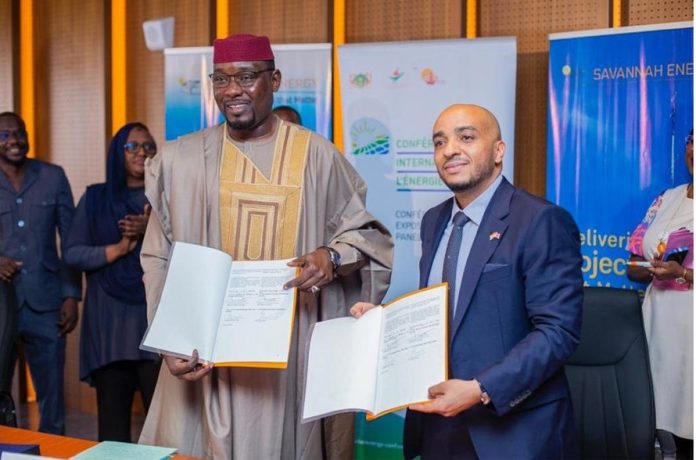
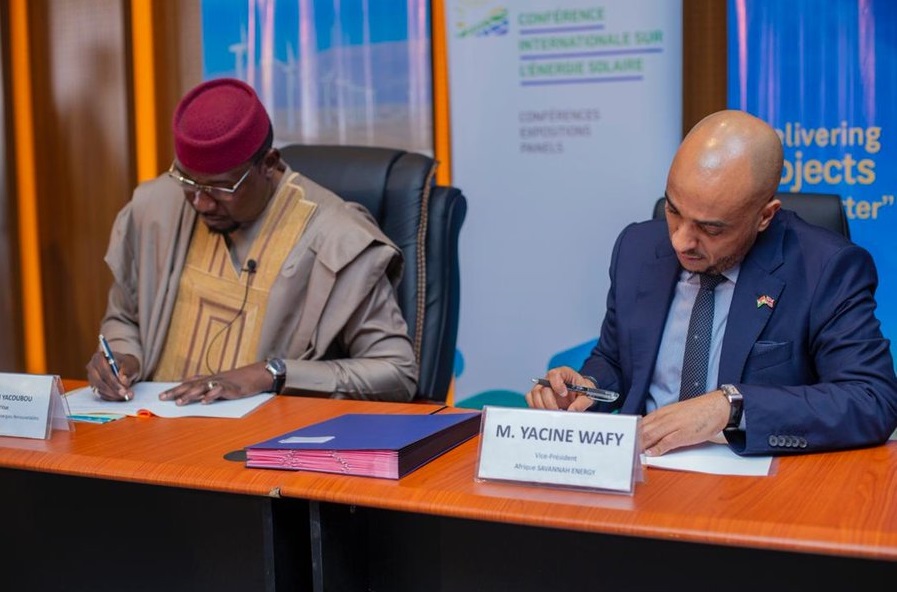
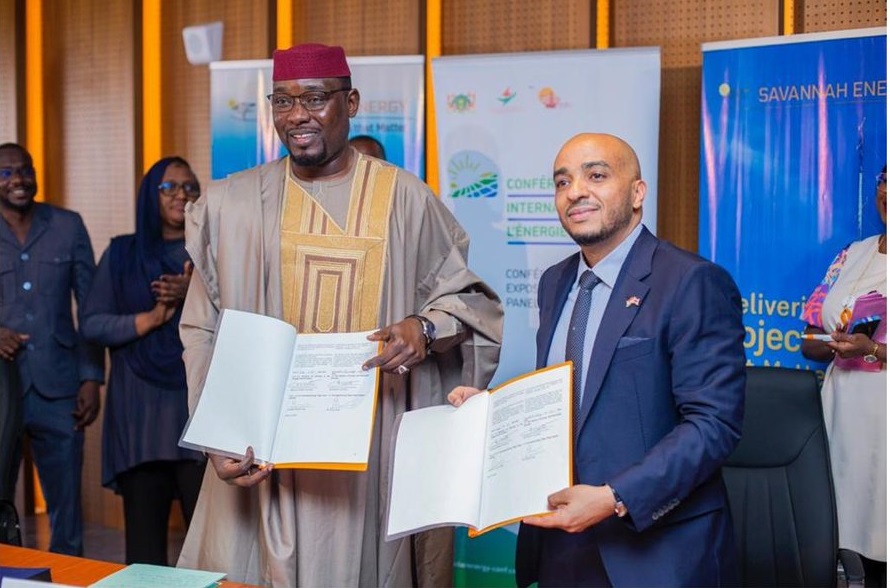
Savannah Energy PLC, the British independent energy company focused around the delivery of Projects that Matter is pleased to announce the signing of a Memorandum of Agreement (“MOA”) by Savannah Energy Niger Solar Limited, a wholly owned subsidiary of Savannah, with the Government of the Republic of Niger (the “Government”) for the development of two solar photovoltaic power plants with a combined installed power generation capacity of up to 200 megawatts (“MW”) (the “Solar Projects”).
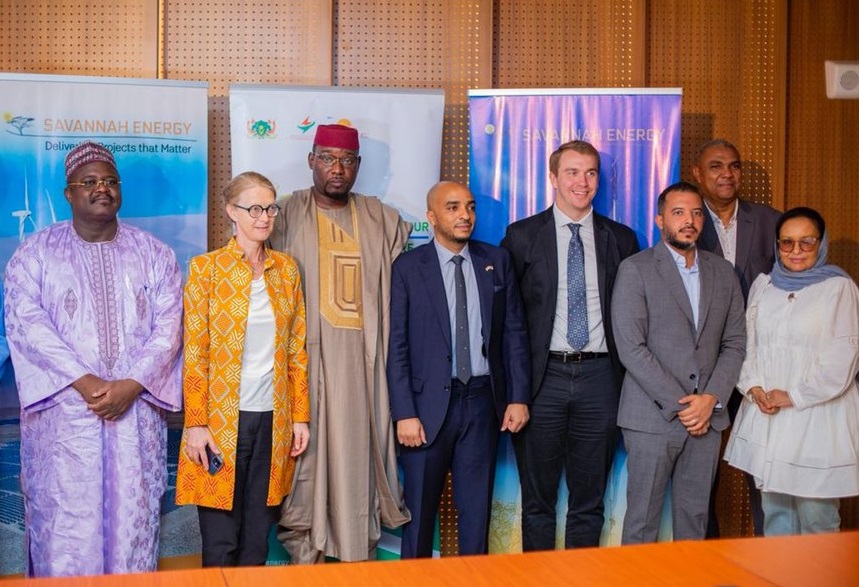
A signature ceremony was held yesterday in Niamey attended by His Excellency Ibrahim Yacoubou, Minister of State for Energy and Renewable Energies, Her Excellency Catherine Inglehearn, British Ambassador to the Republic of Niger, and Yacine Wafy, Savannah’s Vice President West Africa.
The two proposed solar plants are expected to be located within 20 km of the cities of Maradi and Zinder, respectively, in southern Niger. Each plant is expected to have an installed capacity of between 50 and 100 MW, for a total potential installed capacity of up to 200 MW. The Solar Projects are expected to: generate reliable, affordable energy for Niger; increase overall grid connected power generation in the country by over 20%; and avoid an estimated up to 260,000 tonnes of annual CO2 emissions.
The Solar Projects are expected to be connected to the South Central section of Niger’s electricity grid, which is forecast to be interconnected to the Western electricity grid zone (which serves Niamey) by 2026, as part of a World Bank funded project. Following the anticipated completion of the required project feasibility studies over the course of the next 12 months, the Solar Projects are expected to receive project sanction in 2024, with first power targeted in the 2025 to 2026 window.
Savannah expects to fund the Solar Projects from a combination of its own internally generated cashflows and project specific debt.
His Excellency, Ibrahim Yacoubou, Minister of State for Energy and Renewable Energies for the Republic of Niger, said:
“I am delighted to participate in today’s signature ceremony for a Memorandum of Agreement with Savannah Energy for the construction and operation of two new solar power plants, up to 200 MW in scale, to be located in the Maradi and Zinder regions of Niger. These projects are an example of the Republic of Niger’s strategy to increase electricity access for our people at an affordable cost through an expanding energy mix, as we have outlined in our National Strategy of Energy Access (“SNAE”) and our National Policy Document on Electricity (“DPNE”).
These projects come in addition to the up to 250 MW Parc Eolien de la Tarka, the wind farm project signed with Savannah last year, which has strong momentum and is expected to start construction in 2024. In aggregate, the wind and solar projects Savannah is developing in partnership with the Government of Niger have the potential to increase the on-grid power supply in country substantially. These projects are crucial for Niger’s economy, potentially improving the lives of millions of Nigeriens by providing them with life changing benefits from energy access.
I would like to warmly welcome the support of the British Ambassador to Niger for these projects. Today we have witnessed her personal commitment to mobilising British companies to come and invest in Niger; with the UK’s wider commitment to Niger evidenced by the investment round table that His Excellency President Bazoum spearheaded recently in London.
Lastly, I would like to wish every success for these projects. May God help us achieve the goals we have set ourselves, and both personally and on behalf of the Government of Niger, Savannah can count on our wholehearted support for the development of the Tarka wind farm and the Maradi and Zinder solar power plants, to ensure they can be brought to fruition.”
Her Excellency Catherine Inglehearn, British Ambassador to the Republic of Niger, said:
“I am pleased that Savannah, as a British company, continues to make significant investments in Niger’s energy industry. Foreign investment such as this is crucial for Niger’s continued social and economic development and we welcome Savannah’s support. Following the investor roundtable with President Bazoum in London on 5 May 2023, this is evidence of the United Kingdom’s strong continued commitment to Niger.”
Andrew Knott, CEO of Savannah Energy, said:
“I am delighted that we are announcing the signing of our Niger Solar Projects MOA. These are exactly the sort of high developmental impact projects our renewable energy division is seeking to deliver, with the potential to increase on-grid electricity supply in country by over 20%. We look forward to working with the Government of Niger as we seek to advance these projects through their development and construction phases towards first power in the 2025 to 2026 window.
I would like to thank His Excellency Ibrahim Yacoubou, Minister of State for Energy and Renewable Energies, the wider Nigerien Government and the British Embassy in Niger for their support for these projects. We look forward to working with Niger and our developmental finance partners over the course of the coming years as we move the projects through the feasibility and construction phases towards our planned first power dates in the 2025 to 2026 window.
As a company, Savannah has successfully created a large portfolio of high quality greenfield renewable energy development projects in the hydro, solar and wind sectors over the course of the past 18 months. We will continue to work towards achieving our target of having up to 1GW+ of renewable energy projects in motion by end 2023 and expect to update on further progress towards achieving this goal over the course of the coming months.”
The crisis rocking Seplat Energy Plc took a turn for the worse, as a Federal High Court sitting in Abuja, suspended the company’s Chief Executive Officer, CEO, Roger Brown, and Board Chairman, Basil Omiyi, pending the determination of the Motion on Notice for Interlocutory Injunction filed by some aggrieved shareholders of the company.
Suspended by the court, also, were Seplat’s Independent Non-Executive Directors (INEDs): Emma Fitzgerald, Dr. Charles Okeahialam, Professor Fabian Ajogwu, Rabiu Bello, and Bashirat Odenewu, as well as Company Secretary, Edith Onwuchekwa, and Chief Operating Officer, Samuel Ezeugwuorie, who were listed as second to 10th defendants alongside the CEO and the Chairman.
The court consequently ordered the Securities and Exchange Commission (SEC) to immediately appoint suitable persons to run the affairs of the company, pending the determination of the Motion on Notice filed by the applicants.
The orders were made by Justice Inyang Ekwo, sequel to an ex-parte motion filed by Juliet Ebere Gbaka, Margret Awobusuyi Funmilayo, and Clement Akaeme, Plaintiffs, against the company, its board and management, with SEC, Datamax Registrars Limited, and PriceWaterHouseCoopers as Respondents in the lawsuit marked FHC/ABJ.CS/626/2023.
Ekwo made the order, stating, “Order is hereby made restraining the second to the 10th Defendants, their agents, privies, assigns, personal representatives, anyone acting on their behalf or instruction, from operating or functioning as officers of the First Defendant (Seplat Energy), pending the hearing and determination of the Motion on Notice for Interlocutory Injunction filed by the Applicants.
“Order is hereby made restraining the second to the 10th Defendants from taking decision or any action whatsoever in respect to the day-to-day running of the First Defendant, pending the hearing and determination of the Motion on Notice for Interlocutory Injunction filed by the Applicants.
“Order is hereby made suspending the second to 10th Defendants as directing minds and secretary of the 1st Defendant, pending the hearing and determination of the Motion on Notice by the Applicants,” Justice Ekwo ruled after hearing Dr. A.I Layonu (SAN), counsel for the plaintiffs.
In a separate ex-parte order, Ekwo, among others, granted the applicants the leave to serve their Originating Summons and their frontloaded court processes dated 8th May, 2023, Motion on Notice for Interlocutory Injunction dated 8th May, 2023, all orders made in respect of the suit and all subsequent Court processes filed by the Applicants on second to 10th Defendants by delivering a copy of the court processes to the registered address of the Seplat at 16A, Temple Road, Ikoyi, Lagos State.
The court adjourned the matter to May 23, 2023, for hearing of the Motion on Notice.
The crisis rocking the foremost indigenous energy company had resulted in a floodgate of litigations, with the Corporate Affairs Commission (CAC) pulling out of the firm’s Wednesday’s Annual General Meeting (AGM), citing an order of the Federal High Court, Abuja, restraining the embattled directors of Seplat from conducting the exercise.
The CAC had, in a letter signed by Mr. Lugman Salman, for the Registrar-General, stated, “As you may be aware, the Commission is the 10th Respondent in Suit No: FHC/ABJ/PET/8/2023 between Boniface Okezie & 4 Ors Vs. Seplat Energy PLC & 9 Ors. As you may also be aware, the court had on the 28th April 2023 ordered that parties should not tamper with the res until issues are resolved.
“In view of the order of the court referred to above, the Commission, being a party to the suit, is under the obligation to obey the order. The Commission will therefore neither attend the AGM nor give cognisance to any resolution that may arise therefrom.”
However, in a swift reaction to the court order, Seplat vowed to take immediate steps to counter the court order.
Seplat, in a statement issued last night, signed by Chioma Afe, of its Communications and External Affairs Directorate, said the company had immediately filed an appeal to counter the interim orders against its officers.
It said as a law-abiding entity, it had defended the Interim Orders by immediately filing an Appeal and a Motion for Stay of Execution of the Orders.
Seplat Energy explained that it had been advised by its legal team that the interim orders, which were yet to be served on the company or its officers, could not be enforced until the Court of Appeal had heard and determined the appeal and application for Stay of Execution.
The statement read, in part, “Seplat Energy is aware of certain media publications that the Federal High Court, per Hon. Justice I. E. Ekwo, sitting in Abuja in suit number FHC/ABJ/CS/626/2023 – Juliet Gbaka & 2 others v. Seplat Energy Plc & 13 others granted ex parte Interim Orders against Seplat Energy and some of its Officers.
“The interim orders, which are yet to be served on the company or any of the affected officers, primarily restrain the Board Chairman, the named Independent Non-Executive Directors, the Chief Operating Officer and the Company Secretary from operating or functioning as officers of Seplat Energy in any capacity, or otherwise conducting the affairs of the Company.
“The company, as a law-abiding entity, has defended against the Interim Orders by immediately filing an Appeal and a Motion for Stay of Execution of the Orders.
“Seplat Energy has been advised by its legal team that the Interim Orders, which are yet to be served on the Company or its officers, cannot be enforced until the Court of Appeal has heard and determined the Appeal and application for Stay of Execution.
“This petition is a third in the series of duplicative petitions filed by purported minority shareholders between March and April 2023, as part of orchestrated attempts to damage the Company in response to its unrelenting efforts to improve corporate governance by eliminating related party transactions and implementing other corporate governance initiatives.”
The Seplat statement further read, “The company previously announced that: The Federal High Court in Lagos, per Hon. Justice Aneke, in Moses Igbrude & 4 ors V. Seplat Energy & 2 ors, has vacated the ex parte Interim Orders that required the Company’s CEO to step aside.” The Federal High Court in Abuja, per Hon. Justice Ekwo, V. Seplat Energy & 8 ors, had formally dismissed the Immigration Charge against the Company and some of its Officers, and fully discharged all named Officers.
“This discharge followed the Notice of Withdrawal/Discharge filed by the Director Legal of the Nigeria Immigration Service and the Company’s cooperation with the immigration authorities.
The Federal High Court in Abuja, per Hon. Justice Ekwo, in Boniface Okezie & 4 ors. V. Seplat Energy & 9 ors, refused to grant to the petitioners’ request to grant ex parte Interim Orders restraining the Company from holding its AGM.”
The company noted that it remained relentless in its commitment to governance and operational excellence.
Seplat maintained that it would continue to, “diligently defend against these deliberate court actions, and remains confident and hopeful that the courts will appropriately address these unending litigations on the same subject matter in short order. It is imperative to state again that the company and the affected officers are yet to be served with any order of the court apart from the media report.”
Elon Musk, on Thursday, May 12, 2023, said that he has hired a new Chief Executive Officer, CEO, to replace him as the Twitter boss and its newly named X Corporation parent.
He revealed this on his official Twitter handle on Thursday night, adding that the new CEO would resume in about six weeks.
“Excited to announce that I’ve hired a new CEO for X/Twitter. She will be starting in ~6 weeks! My role will transition to being exec chair & CTO, overseeing product, software & sysops,” he tweeted.
Users of the platform had in December 2022 voted to oust owner Musk as the CEO in an unscientific poll he organised and promised to honour, just weeks after he took charge of the social media giant.
According to the data at the FMDQ Security Exchange where forex is traded officially, the dollar to naira exchange rate stood at (undisclosed).
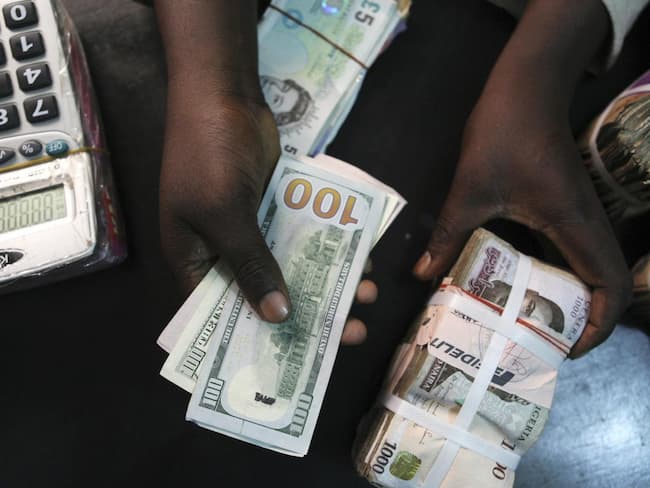
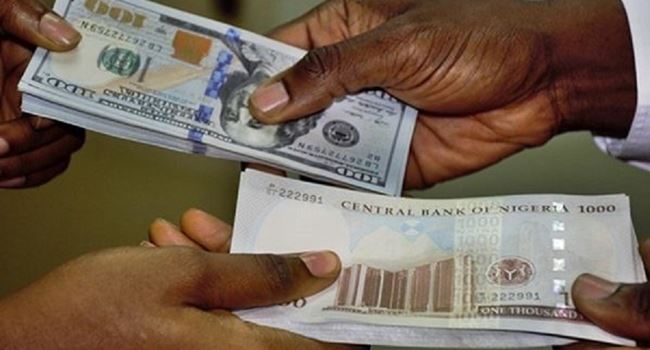
This would mean that the Nigerian currency either gained or lose in value against the United States dollar, as the foreign exchange (forex) trading closed at N460.57 per $1 on Wednesday, May 10.
How much is the dollarto naira at the black market today?
Going by sources at the Bureau De Change (BDC) in Lagos, the dollar to naira last traded ₦747 in the black market in the state.
It is, however, pertinent to note that the Central Bank of Nigeria (CBN) does not recognise the parallel market (black market), as it has directed individuals who want to engage in forex to approach their respective banks.
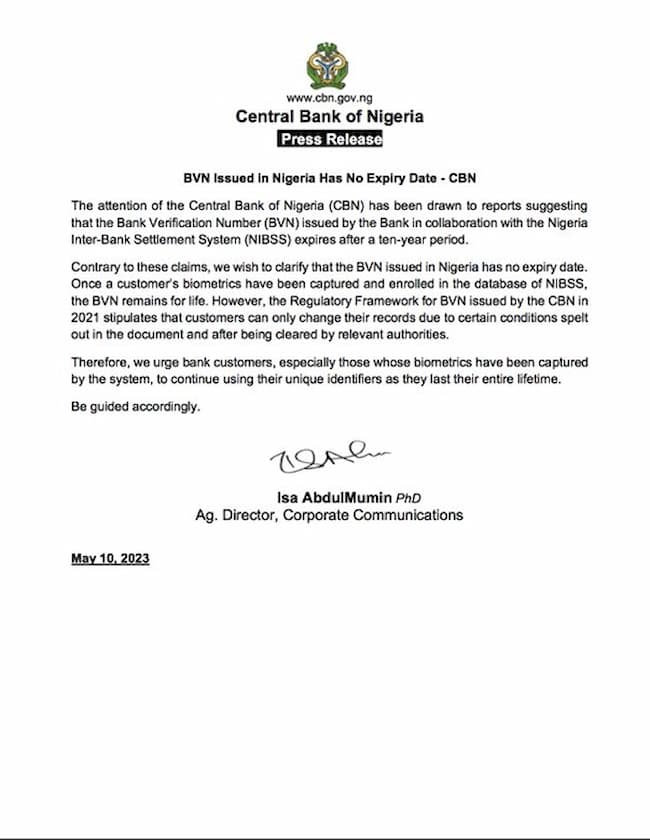
The Central Bank of Nigeria (CBN) has stated that the Bank Verification Number (BVN) it issues in partnership with the Nigeria Inter-Bank Settlement System (NIBSS) has no expiry date.
CBN denied reports that the BVN expires after ten years in a statement posted on its verified Twitter page on Thursday.
The BVN is an 11-digit number that is unique to each individual, yet the same across all bank institutions for the same individual.
You must first obtain a bank verification number in order to possess and run a banking account in Nigeria.
“The attention of the Central Bank of Nigeria (CBN) has been drawn to reports suggesting that the Bank Verification Number (BVN) issued by the Bank in collaboration with the Nigeria Inter-Bank Settlement System (NIBSS) expires after a ten-year period,” the statement signed by Isa Abdulmumin, CBN spokesperson, reads.
“Contrary to these claims, we wish to clarify that the BVN issued in Nigeria has no expiry date. Once a customer’s biometrics have been captured and enrolled in the database of NIBSS, the BVN remains for life.
“However, the Regulatory Framework for BVN issued by the CBN in 2021 stipulates that customers can only change their records due to certain conditions spelt out in the document and after being cleared by relevant authorities.”
West Africa’s leading connectivity and data center services provider, MainOne an Equinix Company has enhanced its interconnection capabilities by using Equinix Fabric to extend its network reach and provide its enterprise customers with agile, on-demand, and seamless connectivity to cloud providers, remote markets, and local infrastructure over the MainOne network and onto Platform Equinix.
Equinix Fabric is an on-demand, software-defined interconnection service, which provides global reach to the Equinix network of over 245 International Business Exchange™ (IBX®) data centers located in 71 major metros and 32 countries around the world. Equinix Fabric directly, securely, and dynamically connects distributed infrastructure and digital ecosystems on Platform Equinix®.
Speaking on this expansion, MainOne Chief Technical Officer, Anil Verma stated that “As a long-time customer of Equinix Fabric, MainOne has utilized the global footprint of data centers and services to establish connections to Cloud service providers and enable private, dedicated connections for customers in West Africa. Now as an Equinix company, the expansion of our network to Equinix Fabric guarantees enhanced SLA and lower latency for critical services and applications. This is part of our commitment to provide our customers with world-class interconnection services to accelerate their digital journey.”
In the new expansion, MainOne will utilize Equinix IBX data centers in Lisbon (LS1) and London (LD5) to create geographic diversity, enabling its customers connect their IT infrastructure to a dynamic and rich ecosystem, enjoying more direct access to Cloud services, and higher performance, ensuring they are able to stay ahead of their competitors with low-latency and secure IT infrastructure.”
To transform young learners’ lives, the TGI CARES Foundation philanthropy arm of TGI Group has partnered with Jigawa iLearn Scholars, an NGO, to provide tech work tools to several students as they commence their BSc, MSc and MBA programs at prestigious Indian universities under the eVBAB Network Project.
The e-VBAB project which is an initiative of the Government of India, under the Third India-Africa Summit commitments, was created to offer 15,000 scholarships to African students and professionals to pursue courses offered by premier Indian institutions in emerging areas. The initiative offers certifications, diplomas, as well as undergraduate and postgraduate degree courses.
The TGI CARES Foundation supported the 29 beneficiaries enrolled on the e-VBAB project under the Jigawa iLearn Scholar’s platform with laptops and pocket MiFi to enable them attend classes, and access learning materials independently. Farouk Gumel, Executive Director and Vice Chairman, Africa, of the Tropical General Investments (TGI) Group, revealed that the TGI Cares Foundation’s causes are centered around guaranteeing food security by supporting appropriate education, championing social interventions and providing relief in times of disasters. ‘Supporting these scholars sits well within the focus areas of our foundation.
The role of education cannot be downplayed in food security, it empowers the individual who will then go on to support their family. This creates a situation where, as more people get empowered, more people are pulled out of poverty”, he said. Salim Ibrahim, a trainer with the Jigawa iLearn Scholars, acknowledged the tremendous impact of the equipment on their education.
“These tools will enable them to access online resources, participate in virtual classes, and complete assignments on the go. It has allowed our Jigawa iLearn Scholars to remain connected with their teachers and peers, keeping their academic progress on track” he added. iLearn is a complete Education Management Platform explicitly designed for Higher Institutions by providing full automation for managing online learning and content authoring with multimedia.
TGI Cares Foundation is the charitable foundation of TGI Group companies and its Promoter – Mr. Cornelis Vink MFR. Tropical General Investments (TGI) Group is a global conglomerate with most of its investments in emerging markets. TGI’s investments focus on driving inclusivity and value addition using locally sourced raw materials, state-of-the-art manufacturing facilities, and a highly skilled workforce to produce world- class products consumed locally and exported to global markets.
Bybit, the world’s third most visited crypto exchange, announced a 50% increase in its global user base, growing from 10 million users in Q3, 2022 to 15 million to date. Bybit has released next-level products to create a winning streak — just like the Oracle Red Bull Racing car showpiece in its new Dubai office.
Bybit announced the grand opening of its global headquarters in Dubai on April 18th, signaling its large investment in the Middle East and North Africa (MENA) region. The opening of the new headquarters is part of the company’s broader strategy to build on its position as the second-largest crypto exchange in the region.
Bybit has attracted new users through a range of products, suiting all types of investors. Those more interested in earning yield can now take advantage of Bybit Lending, which launched May 2 and has seen lenders earn triple-digit APR. And lenders’ capital is protected as all borrowers must post collateral equal to or greater than the loan amount.
Given the innovation at Bybit, it’s no wonder Sui chose the exchange’s new token sale platform, ByStarter, as one of only three exchanges to host the crowd sale of its highly anticipated SUI token. And Bybit recently unveiled its AI program: Tools Discovery, which provides personalized product and strategy recommendations tailored to individual trading habits and preferences.
Top traders love the exchange’s new Position Builder, which allows clients to build positions easily using the full range of derivative products and trading strategies. Bybit also expanded its partnership with Paradigm, the fastest-growing crypto derivatives trading platform, to launch delta-1 spreads trading on USDT-margined instruments.
“Our team has worked tirelessly to make Bybit a top-performing crypto exchange with next-level opportunities from passive income to derivatives trading,” said Ben Zhou co-founder and CEO. “We are thrilled that our efforts have paid off, with Bybit hitting 15 million users globally just as we opened our global headquarters in Dubai. We are excited to demonstrate our commitment to innovation and growth, solidifying our position as a heavyweight player in the global crypto exchange market.”
More From Bybit
Bybit Opens New Headquarters in Dubai on the Heels of 50% Increase in User Base
Bybit Introduces a New Era of Hassle-Free Crypto Lending
ByStarter to Bring Next Level Web3 Opportunities with SUI Offering
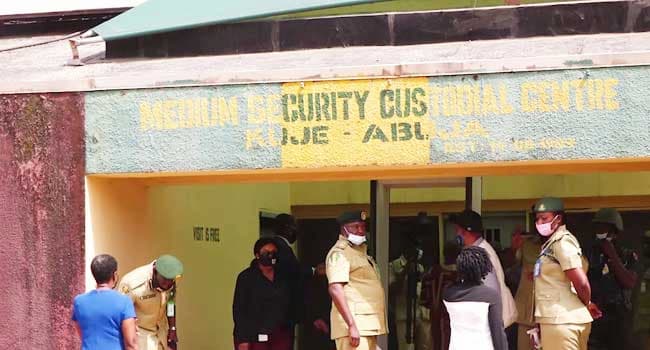
The Federal Government (FG) announced that ₦22.4 billion will be spent to feed convicts in correctional facilities around the country.
This was revealed by Dr Shuaib Belgore, Permanent Secretary, Ministry of Interior, during a two-day High Conference on Decongestion and Corrections Management in Abuja, the nation’s capital.
According to Belgore, the fund is authorized for in the Appropriation Act for 2023.
He stated that the population of the custodial facilities has steadily increased, with at least 80% of the convicts awaiting trial.
According to him, there are 244 custodial facilities in the United States, with a total inmate population of 75,507, resulting in 82 of them being overcrowded.
He said that there are 73,821 male detainees and 1,686 female inmates.
Of the 75,507 inmates, 52,436 are awaiting trial, 23,071 are convicted, and 3,322 are on death row.
The World Health Organization (WHO) ruled on Thursday that mpox no longer represents a global health emergency, nearly a year after the disease formerly known as monkeypox began spreading over the world.
Following a drop in case counts, WHO Director-General Tedros Adhanom Ghebreyesus said in an online press conference that he was “pleased to declare” that he had accepted the advice of the UN agency’s emergency committee on mpox to withdraw the highest level of alert.
“While the emergencies of mpox and Covid-19 are both over, the threat of resurgent waves remains for both. Both viruses continue to circulate and both continue to kill,” Tedros said.
“Mpox continues to pose significant public health challenges that require a robust, proactive, and long-term response,” he added, urging countries to be cautious.
Though long established in regions of Central and West Africa, instances of mpox began to emerge in Europe, North America, and elsewhere in May of last year, primarily among men who had intercourse with males.
In July, the WHO declared mpox a PHEIC. However, the number of people afflicted with the disease, which causes fever, muscle aches, and big boil-like skin lesions, has steadily declined since then.
According to a WHO calculation, over 87,000 cases and 140 deaths have been reported from 111 countries during the global outbreak.
However, Tedros said that the latest three months saw nearly 90% fewer incidents than the preceding three months.
“While we welcome the global decline in Mpox cases, the virus continues to affect communities in all regions, including Africa, where transmission remains unknown,” he said.
After the status of Covid and mpox was lifted, there is presently only one WHO-designated PHEIC – for poliovirus, which was proclaimed in May 2014.
On Wednesday, the Naira lost value versus the dollar and traded for N463.02 at the window for investors and exporters. However, despite anticipation of a devaluation, the local currency traded steadily on the open market.
In comparison to Tuesday’s rate of N462.25 to the dollar, the rate reflects a loss of 0.17 percent. On Wednesday, the open indicative rate reached a high of N463 to the dollar.
Trading took place at a spot exchange rate of N467 throughout the day before it settled at N463.02. Instantaneously, the spot exchange rate is established.
During the course of the day’s trade, the Naira fell as low as N460 to the US dollar. The official Investors’ and Exporters’ window had a total turnover of US$ 178.68 million due to the increased demand for foreign currency.
While the foreign reserve fell another $0.01 billion to conclude at $35.26 billion on the parallel market, currency traders paid 746 for one US dollar.
Nigeria’s central bank has reported that in 2022, non-oil exports brought in roughly $6 billion. Although insufficient to reverse the naira’s destiny, the foreign exchange inflow supported the apex bank’s market intervention.
Even though oil prices continued to rise, there was still a decreased rate of addition to foreign reserves, in part because of lower hydrocarbon sales revenue inflows. On the international market, Brent and Bonny closed yesterday at $74.5 and $77.4 respectively. Naira drops by 0.17% due to rising FX demand
Following selloffs in banking and consumer goods sectors, the Nigerian Exchange’s (NGX) equity division concluded the day on a negative note on Thursday. Key performance metrics declined as investors lost $26 billion as a result of significant selloffs.
The Nigerian Exchange All-share index fell today by 47.82 basis points, or -0.09%, to settle at 52,161.24, according to trading data. Large investors pulled their money out of three Tier 1 banks: GTCO (-2.4%), ZENITHBANK (-2.1%), and ACCESSCORP (-3.8%).
The overall volume and total value traded for the day decreased by -13.88% and -12.04%, respectively, indicating that market activity was also down. According to Atlass Portfolios Limited, 5,539 deals totaling about 477.37 million units worth $5,240.70 million were completed.
ACCESSCORP was the stock with the highest volume of trading, making up 35.47% of all trades. The stock was followed in the top 5 on the volume chart by UBA (21.38%), FIDELITYBK (6.46%), GTCO (6.37%), and ZENITHBANK (3.52%).
With 33.26% of the total value of trades on the market, ACCESSCORP was also the most traded stock in terms of volume.
With a 10 percent price increase, ARDOVA topped the list of advancers. According to stockbrokers, NCR (9.87%), MULTIVERSE (9.87%), MRS (+9.84%), CWG (+9.77%), and seventeen other companies trailed the business stock.
Twenty stocks depreciated, where FCMB was the top loser, with a price depreciation of -5.66% to close at ₦4.00, as ACCESSCORP (-3.77%), STERLINGNG (-3.53%), NEIMETH (-3.33%), and ZENITHBANK (-2.05%) also dipped in price.
The market breadth closed positive, recording 22 gainers and 20 losers. In addition, the market sector performance closed negative, as three of the five major market sectors were down. The Banking sector lost 1.35%, followed by the Consumer goods sector (-0.10%), and the Industrial sector (-0.01%).
Meanwhile, the Oil & Gas and the Insurance sectors advanced by +1.34% and +0.18% respectively. Overall, the equities market capitalisation declined by ₦26.03 billion, representing a drop of -0.09% to close at ₦28,402.12 trillion from ₦28,428.15 trillion the previous day.
Gbite Falade, CEO and Managing Director (MD) of oil and gas investment company, Niger Delta Exploration & Production (NDEP), will participate at South Sudan Oil & Power (SSOP) 2023 as a speaker. His participation demonstrates NDEP’s commitment to technical development and oilfield innovations in East Africa.
In 2012, NDEP established a strategic partnership with South Sudan’s National Oil Company, the Nile Petroleum Corporation to form the Nile Delta Petroleum Company Joint Venture for the purpose of optimizing crude oil production in the East African country while bringing brownfield, power, and production optimization techniques to South Sudan.
A fully integrated energy company that operates the 12,000 barrel-per-day Ogbele Marginal field in the eastern Niger Delta Basin, NDEP is Nigeria’s foremost indigenous and independent operator of small- to medium-sized fields and has been active in the development of downstream, midstream, and upstream assets throughout the West African country.
NDEP’s ongoing relationship with South Sudan has resulted in the optimization of crude oil production and the commercialization of gas through the implementation of gas production, processing, distribution, and sales projects, thus resulting in an increased volume of net crude oil production.
“Falade’s participation at this year’s edition of SSOP 2023 will serve to solidify South Sudan’s position as the nexus of regional energy cooperation,” states Energy Capital & Power Senior Director, James Chester, adding, “As the only major oil producer in East Africa, South Sudan stands to benefit from Nigeria’s expertise across the exploration and production industries. SSOP 2023 provides the opportunity for the two to strengthen bilateral relations even further.”
Organized in official partnership with South Sudan’s Ministry of Petroleum SSOP will be held under the theme, ‘The Engine of East African Growth’, and will demonstrate the country’s role as a key player in the development of African energy. Taking place in Juba from 14-16 June 2023, the sixth edition of SSOP will deliver new deals, new investments and new relationships with global industry leaders while fostering development across the entire energy value chain.
Dr. Zainab Ahmed, the Minister of Finance, Budget, and National Planning, has encouraged West African insurance providers to restructure the sector for global competitiveness.
She gave a speech during the 50th anniversary celebration and educational conference of the West African Insurance Companies Association in Lagos State, Nigeria. Repositioning the insurance sector in West Africa for global competitiveness was the conference’s focus.
She said, “As an optimist, we are encouraged to believe in a new dawn, leveraging technological innovations, and a positive paradigm shift focused and poised to meet the anticipated surge in the demand and untapped side.
“I therefore urge the delegates here present to deliberate and recommend ways of repositioning the insurance industry in West Africa for global competitiveness.”
The objective behind the African Continental Free Trade Area, she noted, was to accelerate intra-African trade by providing a single market for goods and services, facilitate movement of persons in order to deepen the economic integration and prosperity on the continent as well as boosting Africa’s trading position in the global market by strengthening Africa’s common voice and policy space in global trade negotiations.
Ahmed emphasised the need to the need to establish high-quality insurance database to provide a holistic view of the industry’s operations in the sub-region.
The Vice President, of WAICA, Mr Eddie Efekoha, noted that WAICA is the umbrella association of insurance, reinsurance, and insurance broking companies in West Africa.
Over the years, he said, WAICA had provided the platform in the region to enrich their knowledge of insurance, share business information and network as insurance players in the sub-region.
“It is in furtherance of these noble objectives that we have packaged this conference to address the issue of rating of insurance companies in West Africa to reposition them for global competitiveness in the full realisation that insurance is a global business,” he said.
He said the theme of the conference captured its thoughts and expectations, while the resource persons had been carefully selected to address the issue in a manner that presented all shades and perspectives.
The Federal Government paid $112.35 million in January 2023 to service its foreign debt, a 146.17 percent increase over the $45.64 million spent in December 2022, according to data from the Central Bank of Nigeria’s Weekly International Payments.
This happened when the Federal Government worked to increase its income base despite obstacles. In January 2023, the Federation Account Allocation Committee distributed N750.17 billion to the three levels of government.
The amount is down N240.02 billion from the N990.19 billion given in December 2022. Nigeria paid $2.4 billion in 2022 to service its external debt, a little increase over the $2.11 billion spent in 2021. The federal government took about N78 billion out of the state budget for paying external debt.
This was based on information from the National Bureau of Statistics’s publication of the Federation Account Allocation Committee Disbursement Reports. From the Federation Account allocations allocated to state governments in 2022, the deductions were made.
The legislative structure that governs the federation account now permits money to be distributed among three key categories: statutory allocation, Value Added Tax distribution, and derivation principle.
Lagos was the hardest-hit state by the deductions, with nearly N23.61 billion taken out in 2022 to pay off external debt. Following it were Kaduna, which had N10.25 billion removed, and Cross River, which had N7.56 billion deducted. The Federal Government, according to the International Monetary Fund, is projected to spend 82 per cent of its revenue on interest payments in 2023.
According to the IMF, external debt (including that of the private sector) will rise to $121.6bn, with external reserves climbing to $37.5bn. It disclosed this in a table of projections in its ‘IMF Executive Board Concludes 2022 Article IV Consultation with Nigeria Summary
The projections showed an improvement in the share of the government’s revenue used as interest payment, with interest payment falling from 96.3 per cent in 2022 to 82 per cent in 2023. It added that interest payment was 86.1 per cent and 87.8 per cent of the Federal Government’s revenue in 2020 and 2021, respectively.
Nigeria’s 10-year bond’s average yield decreased to 12.94% by midweek as a result of rising local investors’ interest for the paper on the fixed income market. The real return on assets with naira-denominated investment securities is still at risk with the inflation rate at 22.04%. Government restrictions that require a sizable portion of pension assets to be invested in the sector are beneficial to the bond market.
As market participants made significant bids on short-dated maturities to submerge meager offers at the belly of the curve, fund/asset managers traded in a diverse manner in the FGN Bond market as they moved to balance their different portfolios.
Notably, the Mar-27 FGN bond’s yield dropped by the most, by 36 basis points, while the Mar-35 paper gained 21 basis points to settle at 14.96%, according to traders. As a result, the average yield decreased by one basis point to 14.33%.
Foreign Portfolio Investors made large bids on the Eurobond market elsewhere, despite signs of cooling from the recently reported US Consumer Price Index data, which came in at 4.9%.
In light of the 63 basis point decline in Jul-23 securities, TrustBanc Capital reports that the near corner of the benchmark curve has the strongest bullish bias. Accordingly, average yield decreased by 9bps to close at 13.14%. The yield on the US 10-year Treasury rose by 1 basis point to close at 3.53%.
FGN bond prices were largely flat for most maturities, despite the average yield on the secondary market contracting, according to Cowry Asset Management Limited.
The investment firm to clients in a mail that the 10-year debt was 104 basis points richer, yielding 12.94% (from 13.30%), while the yield on the 15-year note ticked up 21 basis points to 14.96%.
The 20-year and 30-year FGN Bonds yields held steady at 15.23% and 15.84%, respectively. Amidst fx crisis in Nigeria, the Naira weakened against the greenback, trading lower at N463.02 (from N462.25) at the Investors’ and Exporters’ windows.
Access to capital remains a top priority for corporates, as capital is required to meet short-term debt obligations such as working capital needs, funding expansion aspirations and existing debt obligations.
The Commercial Paper (“CP”) market satisfies this requirement by providing competitive and timely access to capital, thereby helping corporates diversify their funding sources. Having successfully met the FMDQ Exchange Commercial Paper Quotation requirements and following the subsequent approval of the Board Listings and Markets Committee of FMDQ Securities Exchange Limited (“FMDQ Exchange” or the “Exchange”), the Nigerian Breweries PLC ₦16.49 billion Series 1, ₦5.03 billion Series 2, and ₦45.74 billion Series 3 CPs under its ₦100.00 billion CP Programme was admitted on the Exchange’s platform on January 30, 2023.
Nigerian Breweries PLC (“Nigerian Breweries” or the “Issuer”) is the pioneer and largest brewing company in Nigeria, engaged in the making and selling of lager, stout, non-alcoholic malt, and soft drinks. Nigerian Breweries operates over ten (10) breweries and approximately two (2) malting plants across the country.
Through the registration of this CP Programme, which is sponsored by Stanbic IBTC Capital Limited (the Lead Sponsor), FCMB Capital Markets Limited and FBNQuest Merchant Bank Limited, all Registration Member (Quotations) of the Exchange, the Issuer is availed the opportunity to raise short-term finance from the Nigerian debt markets at a time it deems suitable, through CP issuances, within the CP Programme limit.
As a Securities Exchange with a commitment to facilitate growth and development in the Nigerian debt markets and the economy at large, FMDQ Exchange will continue to sustain efforts in ensuring that corporates have uninterrupted access to a credible, efficient, and robust platform for the registration, listing, quotation, and trading of debt securities.
FMDQ Group is Africa’s first vertically integrated financial market infrastructure (“FMI”) group, strategically positioned to provide registration, listing, quotation and noting services; integrated trading, clearing & central counterparty, settlement, and risk management for financial market transactions; depository of securities, as well as data and information services, across the debt capital, foreign exchange, derivatives and equity markets, through its wholly owned subsidiaries – FMDQ Exchange, FMDQ Clear Limited, FMDQ Depository Limited and FMDQ Private Markets Limited.
As a sustainability-focused FMI group, FMDQ Group, through FMDQ Exchange, operates Africa’s premier Green Exchange – FMDQ Green Exchange – positioned to lead the transition towards a sustainable future.