Development Bank's Unpaid Loans Rise by 110% To N214bn in 2020
The Development Bank of Nigeria (DBN), in continuation of its capacity development training programmes for Micro, Small and Medium Enterprises (MSMEs) has organised a one-day training for over 1,000 small businesses across six states in the North-East and North-West.
According to the development bank, empowered MSMEs are spread throughout Gombe. Maiduguri, Adamawa, Katsina, Sokoto and Kebbi states.
In a statement, it noted that the capacity training conducted in each location was facilitated by experts in small and medium-scale business management.
According to DBN, the capacity building programme focused on optimisation and development of skills, aimed at further strengthening the capacity of the beneficiaries to scale up their businesses.
It noted that the key objective of the training was to help the owners of the businesses develop their capacity and gain better knowledge of how they could access the DBN’s funds through the participating financial intermediaries.
The Managing Director of Development Bank of Nigeria, Dr Tony Okpanachi, commended the facilitators for bringing their expertise and experience to bear and expressed the optimism that the training would have a lasting impact on the participants and their businesses.
He affirmed that the training was in line with the bank’s commitment to strengthening the capacity of MSMEs in the country so that they can continue to contribute more to economic growth.
Okpanachi said, “The strategic role of MSMEs as enablers of socio-economic development cannot be overemphasised. A larger percentage of businesses in Nigeria are in the informal sector, dominated by MSMEs. The MSMEs sector is a significant pillar of Nigerian economic growth; they make up 97 per cent of businesses, generate six million jobs and contribute 50 per cent of the national gross domestic product.
“Small businesses are value-creators and they create wealth for individuals. At DBN, we are passionately committed to seeing MSMEs increase their capacity for growth and expansion, and being more sustainable so that together, we can continue to build a stronger economy for the benefit of all Nigerians.”
Flour Mill of Nigeria (FMN) has stated that it would continue to leverage its impressive credit rating to raise funds from the capital market.
Flour Mill of Nigeria Plc, a prominent consumer conglomerate in Nigeria, has solidified its robust financial standing by earning an exceptional rating and upholding strong brand values.
A statement said the company controls significant market share across its business divisions, while the Group is an active player in the debt capital market, constantly assessing and seeking to optimise its costs of funding, leveraging its strong reputation for timely repayment at maturity.
The Group said it decided to tap into the market for its Series 3 Commercial Paper to raise funds to meet its working capital requirements in June 2023.
The Series 3 was launched on June 23, 2FMN eyes capital market for fresh funding023, to resounding feedback from the investing public, it stated.
It stated that, “The orderbook recorded N144.37bn in bids which represent 262 per cent oversubscription. All investor classes were well represented on the order book with strong showings from banks (39.8 per cent) and Pension Fund Administrators (40.8 per cent).”
The Group took N55bn at a 239-day maturity in this first tranche and was looking at launching a second tranche, to sequence the repayment patterns.
Speaking on the FMN’s established credit rating and record over the years, the Director, Group Treasury, and Investor Relations, FMN, Mr Titus Owoeye, said, “For the past six decades, the Group has been driving local content development and investing significantly across its value chain. In 2022, revenue generated by the Group came in at over a N1tn joining a select group of Nigerian companies with such a feat.
“FMN has a good credit history and credit rating; strong brand value with a loyal customer base, has highly experienced and very competent board and management teams respective, and as demonstrated over the years, the Group is a key player in the Nigerian FMCG and agribusiness sector.”
He noted that the success of the backward integration programme embarked upon by the Group in the last few years had also contributed immensely to the growth of the top line and bottom line for the business.
Global communication network concept. Planet earth in cyberspace.
The Chief Commercial Officer of Vertex group, Shitij Taneja, has said in five years time, Nigeria will be one of the leading technology hubs in West Africa.
In a statement, Taneja, said this recently while speaking at the just concluded 2023 IOT West Africa conference & exhibition in Lagos.
Taneja added that a lot of companies have already started investing in Nigeria.
He also emphasized that with the coming on board of Vertex Group with more manufacturing companies, there would be more job opportunities and training centers for the Nigerian youths.
He recommended renewable energy and digitising energy usage as the way forward towards improving electricity in Nigeria.
The Vertex Group COO explained that when energy was digitalised, it can be monitored to be able to know what was happening and where it was happening, adding that it could also help to determine where there was energy leakage.
He said, “We see a lot of startups and investors investing in Nigeria’s technology as startups, and what we are trying to achieve is to position West Africa as the hub for digital energy.
“We are bringing Indian industries to Nigeria to help drive the technology because India is known as a technology hub”.
“We are trying to move the technology solutions that India has to Nigeria because Nigeria already has the capacity as more people are into information technology as a career.”
After announcing its intention to buy back its own shares from shareholders on Tuesday, Dangote Cement Plc saw a 9.27% increase in value. This increased purchasing activity on the Nigerian Exchange’s trading floor.
As a result of shareholders’ involvement in the company’s share repurchase, the market price increased by N30.6 in a single day to N360.7. After a protracted period in which MTN Nigeria relinquished its status as the most valuable brand on the local exchange, the market valued Dangote Cement at N6.145 trillion at the conclusion of the trading session.
Dangote Cement informed the Nigerian Exchange last week that the first tranche of its recently launched share buy-back program has begun. The world’s largest cement company, which ranks third among market movers, has reduced share price volatility in the past by repurchasing some of its own stock.
The stock’s current uptrend indicates that investors are taking part in Tranche I of the Share Buy-Back Program. The tranche I will be performed with the consent of the business’s shareholders at the Extraordinary General Meeting of Dangote Cement Plc scheduled on December 13, 2022, the business stated in its regulatory filing.
The quantity of shares to be repurchased under the Share Buy-Back Programme would not exceed 10% of Dangote Cement Plc’s issued capital, the cement business informed the Exchange. The Programme is being effected in tranches, with Tranche I being executed by the appointed stockbrokers on the Company’s behalf, according to a statement released to the regulator.
The programme, according to the company, excludes 166,948,153 shares held as treasury shares, following the conclusion of Tranche I and II of the Company’s previous Share Buyback Programme. Its appointed Stockbrokers, will at its discretion purchase DCP’s shares in the open market over the duration of Tranche I, subject to prevailing market conditions and under the current daily trading rules of the NGX.
DCP would, however, not be under any obligation whatsoever to purchase any or all of the DCP shares put on offer over the duration of Tranche I.
The shares being bought back by the Company under the Share Buy-Back Programme will be held as treasury shares, as permissible under CAMA. Dangote Cement said execution of this Tranche I is not expected to have any material impact on the Company’s financial position.
Due to a scarcity of foreign currency in the economy, the Nigerian naira saw considerable daily depreciation in the Investors and Exporters foreign exchange (fx) window, giving up prior gains versus the US dollar.
Given its relative undervaluation, the local currency is still having trouble establishing itself in the foreign exchange market. While the apex bank waits for convergence, the difference between official and parallel market rates has been fluctuating on both sides.
Analysts at Broadstreet agree that, for the time being at least, the liberalization of the foreign exchange market is insufficient to attract international investors and hot money. In the first quarter of 2023, Nigeria’s capital import decreased year over year.
The international oil companies have been given authority to sell their revenues in foreign currency to Nigerian deposit money institutions, which would ease the liquidity situation at the Investors, Exporters FX window.
Investment bankers and economists continued to hold the view that in order to raise morale and draw capital into the economy, the Central Bank of Nigeria must first pay out the FX backlog owing to foreign investors who wanted to upstream foreign money offshore.
MarketForces Africa was informed by analysts that the action is favorable for the Nigerian naira and points to a plot to boost the local currency, which according to Bank of America’s Global Research report is undervalued. BofA predicted that the Naira will recover to N680 after all the FX dust settles.
Market players sold US dollars to requisitors at N788.42 on Tuesday because the supply side was weaker than the levels of demand seen. The naira fell 5.96% vs the US dollar, trading at N788.42 from N744.07, exceeding the non-deliverable future market prediction of N785 in a month. This information was obtained from the FMDQ Exchange over-the-counter FX platform.
Nigeria’s senior unsecured 500 million dollar 6.375% government bonds, which mature on July 12, 2023, are anticipated to be settled in the meantime.
The local currency saw yet another value fall on the black market. In the midst of a surge on the world crude oil market, currency dealers said on Tuesday that the local currency decreased 0.08% to N795.7 from N795 per dollar.
Brent crude rose 0.19% to $78.32 per barrel, while West Texas Instrument (WTI) crude gained 0.46% to $73.52 per barrel. Oil futures rose on Tuesday, boosted by expected supply cuts from top oil exporters Saudi Arabia and Russia and an improved energy demand outlook in China amid planned stimulus.
Today, Nigeria’s $500 million Eurobond is expected to be settled. With $34 billion in gross external reserves, the repayment is expected to have minimal economic impacts.
The Director, Risk Management, Central Bank of Nigeria (CBN) , Dr Blaise Ijebor, advises risk managers practitioners to keep up with trends that will stand as threats for their organisation.
Ijebor, gave this charge during the 2023 Certified Risk Manager Induction. 80 professionals were inducted at the event in Lagos on Tuesday.
While advising them to stay agile and adaptable, ready to respond to the dynamic nature of their work, he also encouraged them to be brave, taking on challenges and seizing opportunities.
In a statement, Ijebor identifies several significant implications for risk management.
These, he said, included the rise of interconnected systems, the creation of value from data, the weaponisation of information, shifts in the cybersecurity risk landscape, and regulatory changes.
He said, “People complain about the changing regulations in the industry but this is necessary because we the regulators contend with new technologies which we have to manage efficiently so that these new technologies do not cause harm in the digital economy.
“Cyber-crime is no longer about money these days. The criminals are now playing a long-term game of boosting their CV and so with each passing day, the cyber-crime racket grows bigger. So risk managers have to adopt new technologies and also adopt management risks as well.”
In his opening remark, the President, and Chairman of the CRMI council, Prof Ezekiel Oseni, urged the inductees to be well equipped in the field and be the solution that helped to find ways out of business obstacles without compromising their profession.
He said, “CRMI is the only chartered risk management institute in Nigeria established by the National Acts of Parliament.
“I will use this opportunity to say that CRMI is the only chartered risk management Institute in Nigeria established by the National Acts of Parliament.
“We therefore advise eminent individuals, personalities and members of the public to be aware of institutions not chartered by the Act of National Assembly that are going about as Chartered risk management institutes and conferring fellowship status on people. We also want to extend our hands of fellowship to risk management groups and associations that may want to partner with CRMI.”
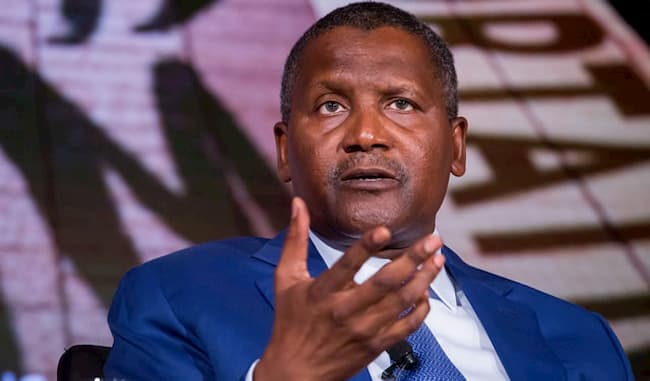
According to Forbes, Aliko Dangote, the president of the Pan-African Conglomerate, the Dangote Group, has once again been named the wealthiest person in Africa for the past 12 years.
This information was released in a press release headlined “Forbes 2023 Index: Dangote Still Africa’s Richest for 12th Consecutive Year” on Tuesday. According to the article, Dangote is the only Nigerian on the list of the top 200 richest persons in the world, with an estimated net worth of $14.2 billion, up from $12.1 billion the year before. His company, Dangote Cement Plc, is the largest cement maker in Africa.
It may be noted that in June, South African Johann Rupert, who has a net worth of $12 billion, was named by Forbes Magazine as the richest man in Africa.
The statement said, “ Forbes, in its latest ranking of world billionaires for 2023 reported that falling stocks, wounded unicorns and rising interest rates translated into a down year for the world’s wealthiest people.
“Dangote, presently ranked 124th among the world’s richest billionaires, is the only Nigerian in the top 200 world billionaires and one of the two Africans within that bracket; with South Africa’s Johann Rupert, who deals in luxury goods ranked 157th with a net worth of $11.1bn.
“The Africa’s richest man founded and chairs Dangote Cement, the continent’s largest cement producer. Dangote Cement has production capacity of 51.6 million tonnes per year across ten countries in Sub-Saharan Africa, with integrated factories in seven countries, a clinker grinding plant in Cameroon, and import and distribution facilities in Ghana and Sierra Leone.”
With the help of an uptick in optimism, the equities division of the Nigerian Exchange (NGX) gained more than N580 billion on Tuesday thanks to gains by Dangote and BUA Cement.
With backing from lightweight company stocks like Eterna, Transcorp, and Okomu Oil among others, buying activity in the cement names powered a major advance noted in the local exchange.
The Nigerian Exchange All-Share Index increased 1.65% on the day, reaching 65,999.97 points and surpassing its previous high of February 2008 before ending at 65,669.29 points as optimistic optimism continued to rule the market.
Ticker: DANGCEM increased by 9.27% when the company’s share buy-back program got going, fueling the momentum. BUACEMENT gained 6.59%, TRANSCORP soared by 4.44%, and ETERNA increased by 9.94%. Price increases for DANGSUGAR and OKOMUOIL were 2.16% and 0.55%, respectively.
As alpha hunters actively invested before the announcement of the second quarter earnings, the TRANSCOHOT market price also climbed by 10%. As a result, the stock market’s year-to-date gain increased to 28.13% even though there were 38 gainers compared to 33 losers.
The Industrial Goods (+7.5%) and Oil & Gas (+0.7%) indexes had gains, while the Banking (-3.1%), Insurance (-2.4%), and Consumer Goods (-0.4%) indices posted losses. Sectoral performance was mixed.
Data from the exchange showed that activity level nosedived, with total deals, volume, and value decreasing by 38.82%, 54.07%, and 57.28%, respectively, to 8,922 trades, N844.72 million units, and N9.41 billion.
In terms of volume, CHAMS emerged as the most actively traded stock, with 91.71 million shares worth N117.15 million changing hands in 412 deals. Overall, the equities market capitalization gained N580.23 billion to close the day at N35.757 trillion.
The switch from the use of Premium Motor Spirit(PMS), popularly called petrol, to autogas will save about N1.84tn monthly for commercial vehicle operators in Nigeria, the Federal Government has said.
It disclosed this in a document put together by the Nigerian Institute of Transport Technology, where it explained that a typical commercial Uber car could save N274,176 every month by running on autogas, not petrol.
The document, titled, ‘Autogas Conversion – NITT Initiative and Strategy’, was obtained by The PUNCH in Abuja on Tuesday at a one-day stakeholders’ engagement forum that focused on autogas as alternative fuel for transportation in Nigeria.
Autogas fuel, which could be Liquefied Petroleum Gas or Compressed Natural Gas, is a mixture of hydrocarbons that changes from a gaseous to liquid state when compressed at moderate pressure or chilled.
In the new report, the transport institute stated that about 12 to 20 million vehicles were in Nigeria, adding that 57 per cent of them were for commercial purposes.
It stated, “Taking the lowest figure of 12 million vehicles, 57 per cent of this number is 6,840,000. When multiplied with the over N270,000 which a typical commercial Uber car could save monthly if run on autogas, it implies that the 6.84 million transporters could save about N1.84tn every month if they run their vehicles on autogas.”
Since the removal of subsidy on petrol, oil marketers and other stakeholders in the transport and oil sectors had been devising measures to help reduce the high cost currently being spent on fuel, as the halt in subsidy led to a jump in the pump price of petrol from N198/litre to over N500/litre.
The NITT noted that with the deployment and usage of autogas, as also championed by oil marketers, the cost being spent by motorists on petrol was going to drop significantly. Most motorists in Nigeria run their vehicles on petrol.
The Federal Government expressed worry on Tuesday over Nigeria’s Value Added Tax(VAT), which is the lowest in the area of West Africa.
The administration emphasized the need for a shift in policy while labeling the situation as alarming, saying that the country’s VAT rate was less than 1% of Gross Domestic Product.
During the opening ceremony of a three-day workshop on the harmonization of Nigeria’s VAT Act with ECOWAS guidelines, Basheer Abdulkadir, Director of Tax Policy in the Federal Ministry of Finance, Budget, and National Planning, voiced his concern.
The initiative was put together by the ECOWAS Commission as part of the assistance package for West Africa’s tax transition.
The PATF aimed to improve management of domestic taxation and ensure better coordination in ECOWAS and West African Economic and Monetary Union regions.
Abdulkadir who stated that exemptions of VAT in Nigeria was not aligned with those of ECOWAS, called for the exemption of few products, goods and services from VAT, for poor households to benefit from VAT policy.
He said, “Our VAT performance or rate is still one of the lowest. Nigeria has a VAT of less than one per cent to the GDP and this is worrisome. Also, we have the lowest VAT within the sub-region with an average of 16 per cent, while VAT rate in Nigeria is 7.5 per cent. So we need a lot of policy changes on tax administration as we also need to come up with strategies to address some of these issues.
“Also, the exemptions of VAT in Nigeria is not aligned with those of ECOWAS and we know that these exemption are some of the issues to do with revenue mobilisation under the VAT. We need to align our exemptions with ECOWAS directive.”
The Comptroller General of the Nigeria Customs Service (NCS), Wale Adeniyi said that not all land borders closed by the Federal Government (FG) across Nigeria in 2018 have been reopened.
He stated that only six strategic land borders were reopened in 2021.
Adeniyi announced this on Tuesday following a private meeting with President Bola Tinubu at Aso Villa in Abuja.
According to the Customs chief, there are continuous efforts to examine the situation and the pursuit of border security and regional integration.
However, he stated that the reopening of the borders would be made public.
Adeniyi bemoaned the difficulty of cross-border fuel smuggling, claiming that the elimination of the gasoline subsidy and the resulting increase in fuel prices will disincentivize fuel smugglers in the long run.
He claims that new government initiatives will reduce the ongoing challenge of crucial commodity smuggling.
According to the Customs chief, his conversation with the President also included advancements in user-friendly ports, exports, and assuring 48-hour clearance of products surrounding ports.
As Nigeria continues to grapple with economic challenges, it has emerged that the federal government spent $1.169 billion to service its debt obligation from January to June 2023.
According to the export and international payment data released by the Central Bank of Nigeria (CBN), the federal government spent $112.35 million in January 2023, $288.5 million in February, $400.5 million in March, and a significantly low service of $92.8 million for the month of April.
A further breakdown showed that the government spent $221 million in May and again another record low debt service of $54 million for the month of June.
The central bank data pegged total direct remittances for the first half of the year 2023 at $952 million.
The CBN stated that the country in 2022 recorded total direct remittances of $2.16 billion as against $2.43billion in 2021.
A breakdown showed that Nigeria recorded $79.18 million remittances for the month of January and $83.75 million in February 2023.
However, the next few months saw remittances expanded with March recording $138.62 million, April $150.04 million, May $202.89 million. The highest recorded for the first half was in June, which saw remittances peak at $297.48 million.
In contrast, Nigeria recorded $130,115,888.7 remittances in January 2022, February was slightly elevated at $132,110,312.6, March was again elevated at $203,794,664.3 with a total for the first quarter pegged at $466,020,865.
Also, the month of April 2022 saw inflows of $165,771,432.3, May at $184,644,196.8 and the month of June, which saw the highest inflow for 2022 pegged at $394,546,934.47. Totally the second quarter inflows stood at $744,962,563.6.
The third quarter of 2022 started with $ 196,664,820.4 for the month of July while August saw $309,834,560.8 and September saw the lowest inflow in the year at with $100,083,873.1 in direct remittances.
Furthermore, October recorded $110,778,558.7, November, $124,668,760.4 and December with a decline to $102,577,897.5.
According to the data at the FMDQ Security Exchange where forex is traded officially, the dollar to naira exchange rate stood at (undisclosed).
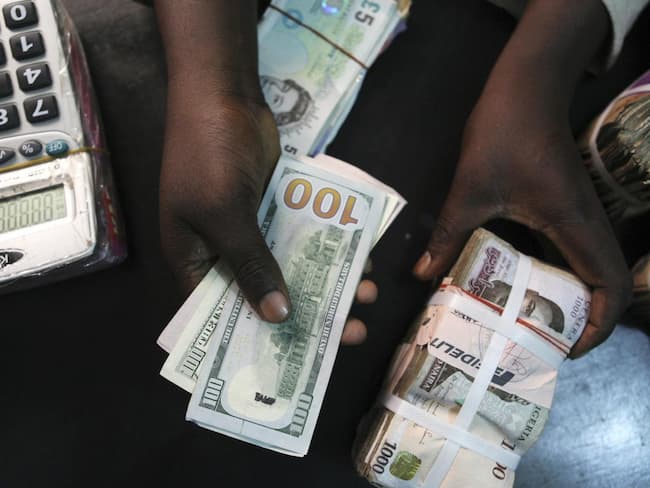
This would mean that the Nigerian currency dropped in value against the United States dollar, as the foreign exchange (forex) trading closed at ₦788.42 per $1 on Monday, July 10.
How much is the dollarto naira at the black market today?
Going by sources at the Bureau De Change (BDC) in Lagos, the dollar to naira last exchanged between ₦795 and ₦797 with an average of ₦795.67 in the black market in the state.
It is, however, pertinent to note that the Central Bank of Nigeria (CBN) does not recognise the parallel market (black market), as it has directed individuals who want to engage in forex to approach their respective banks.
LAPO Microfinance Bank Limited (LAPO MfB) has disbursed over N74 billion in the first half of the year 2023.
A statement issued by the bank, signed by Oluremi Akande, Head of Marketing and Communications, stated that “LAPO MFB remains committed to its core mandate of providing easy access to credits to owners of micro, small, and medium enterprises as well as members of low-income households who are financially excluded from the formal financial sector. This underscores our firm resolve to continue to promote economic activities and contribute meaningfully to economic growth.”
Akande reiterated that, “LAPO MfB, in the last decade, disbursed over N1 trillion to owners of micro, small, and medium enterprises in Nigeria. Our 2023 strategic objective is to disburse over N200 billion by the end of the financial year.
LAPO Microfinance Bank is committed to its over 30 years mandate of social and economic empowerment of members of low-income households and owners of micro, small, and medium enterprises in a sustainable manner.”
Today marks yet another significant milestone in the Nigerian financial markets as FMDQ Securities Exchange Limited and FMDQ Clear Limited, wholly owned subsidiaries of FMDQ Group PLC, with the support of the Securities and Exchange Commission, the Central Bank of Nigeria (CBN), and the Debt Management Office (DMO), Nigeria, go live with the introduction of the dynamic FMDQ Exchange-Traded Derivatives (ETD) Market, making it possible for market stakeholders – corporates, foreign & domestic investors and pension fund administrators – to hedge inherent financial market risks in their operational and investment activities, providing an opportunity to convert risk to financial security, which in turn will help attract capital flows, reduce cost of capital, promote market liquidity, and ultimately deepen the Nigerian financial markets.
The long-awaited FMDQ ETD market, which is geared towards transforming risk to certainty, in an unprecedented move, brings about the integration of the banking sector and capital market in Nigeria.
Driven by FMDQ Securities Exchange Limited (FMDQ Exchange or the Exchange), Nigeria’s largest Exchange by Turnover, in collaboration with FMDQ Clear Limited (FMDQ Clear or the Central Counterparty ([CCP]), Nigeria’s foremost CCP, the FMDQ ETD Market, boasts of participation from ten (10) pioneer Deposit Money Banks and five (5) pioneer non-bank financial institutions, all positioned to change the landscape of the Nigerian financial markets in the near-to-medium term. With the CCP’s extensive risk management structures and robust financial resources – c.
$20mm in FMDQ Clear’s proprietary Default Resolution Reserve, and over $12mm from Members’ contributions to the CCP’s default waterfall – the players will be able to leverage the financial capacity of the very big players in a market structure that transfers counterparty risks to a credible world-class CCP, FMDQ Clear.
In support of the ETD Market, the three (3) pioneer General Clearing Members (GCMs) – Access Bank PLC, Zenith Bank PLC, and Stanbic IBTC Bank PLC – who are capable of clearing transactions for their proprietary positions and those of other Trading Members and clients, will share mutualised responsibility as Members of the CCP, and clear their proprietary positions, as well as twelve (12) Derivatives Trading Members, bringing the pioneer Trading Members in the ETD Market to fifteen (15) – Meristem Stockbrokers Limited, CardinalStone Securities Limited, Chapel Hill Denham Securities Limited, Coronation Merchant Bank Limited, Union Bank of Nigeria PLC, Parthian Securities Limited, DLM Securities Limited, FBNQuest Merchant Bank Limited, First City Monument Bank Limited, Fidelity Bank PLC, FSDH Merchant Bank Limited, Greenwich Merchant Bank Limited, Access Bank PLC, Zenith Bank PLC and Stanbic IBTC Bank PLC.
The ETD Market goes live with two (2) pioneer products – the FGN Bond Futures and USD-NGN Non-Deliverable FX Futures – which will be traded and cleared on world-class FMDQ ETD systems, the FMDQ Q-ex Trading System and FMDQ Q-ex Clearing System, respectively.
The development of this ETD Market in Nigeria has long been a topic of interest amongst capital market operators, regulators, and market participants, as the Market directly plays a vital role in financial system stability and greatly contributes to various aspects of the economy as a whole.
Leveraging on its aspiration to transform the Nigerian financial markets to be globally competitive, operationally excellent, liquid, and diverse, in line with the FMDQ ‘GOLD’ Agenda, the pre-eminence of the FMDQ ETD Market cannot be overemphasised as it ushers the actualisation of the panacea that will enable the development of a thriving financial sector, like other developed economies, positioning it for revolutionary growth in potentially colossal proportions.
The visionary pioneer Members of this FMDQ ETD Market, who have positioned themselves to take advantage of the emerging novel segment of the financial markets, must be commended for their instrumental role in driving the activation of this Market and the broader Nigerian financial markets. These pioneer Members have demonstrated their commitment as catalysts in fostering sustained growth and development in the Country’s financial landscape.
FMDQ Group is Africa’s first vertically integrated financial market infrastructure (FMI) group, strategically positioned to provide registration, listing, quotation and noting services; integrated trading, clearing & central counterparty, settlement, and risk management for financial market transactions; depository of securities, as well as data and information services, across the debt capital, foreign exchange, equity and derivatives markets, through its wholly owned subsidiaries – FMDQ Exchange, FMDQ Clear, FMDQ Depository Limited and FMDQ Private Markets Limited.
As a sustainability-focused FMI group, FMDQ Group, through FMDQ Exchange, operates Africa’s premier Green Exchange – FMDQ Green Exchange – positioned to lead the transition towards a sustainable future.
NCDC & Partners Launch Media Fellowship to Strengthen Health Reporting in Nigeria.
“When the next pandemic arrives — and it will, we must be ready to respond decisively, collectively, and equitably.” Tedros Adhanom Ghebreyesus (WHO Director-General)”
The progressive trend of disease outbreaks in Nigeria and most parts of the world over the past two decades attest to the above statement made by the Director General of the World Health Organization, Dr Tedros, at the 76th World Health Assembly. Disease outbreaks are a certainty. It is often a question of when not if. This is why outbreak preparedness, which is not a new idea but given a new lease of life by the COVID-19 pandemic, must be taken beyond the next level.
Over the years, Nigeria has experienced several infectious disease outbreaks in many parts of the country not limited to the highly pathogenic avian influenza, Ebola, Mpox, COVID-19, yellow fever, rabies, bovine tuberculosis, measles, and rubella outbreaks. In more recent times, Nigeria has seen unprecedented peak incidences of Lassa fever, Mpox, diphtheria, cholera, and meningitis.
A major gap identified by the NCDC during the response to these infectious outbreaks is the challenge of effective science communication, a requisite for the general public to accept and adopt public health advisories and to build resilience against the negative impacts of infodemics. This gap is driven by a lack of understanding of the dynamic epidemiology of disease outbreaks by media practitioners reporting on health. Consequently, this limits their ability to set the agenda and utilise their platforms to empower affected populations with all the information they need to make informed decisions.
The COVID-19 pandemic has shown that outbreak preparedness and response must be disease- and population-centric for acceptance and compliance. As a result, investment into understanding the perceptions, needs, knowledge, attitude, and practices of populations at risk are critical to effectively conduct outbreak investigation and response. Public resistance to and hesitance to uptake scientific output and guidance during the pandemic response was indicative of this. This phenomenon was catalysed by rampant misinformation, disinformation, and mal-information – infodemic! This pattern is expected to persist into and/or recur during future outbreaks.
THE ROLE OF THE MEDIA
The role of the media in bridging the gap between science, health and one-health authorities, and the population cannot be overemphasised. Media practitioners have the platforms, the audience, the trust and/or attention of their audience. Empowering journalists with basic knowledge of epidemiological concepts and others required to help them accurately and responsibly report on the science of disease outbreaks will enhance Nigeria’s preparedness and response. To address this capacity gap among health reporters, the NCDC, AFENET, and BA-Nigeria led by Johns Hopkins Centre for Communication Programmes have jointly developed a unique media fellowship, Epidemiology, Infodemiology and Social and Behaviour Change/Risk Communication Media Fellowship (MEDIA-EIS FELLOWSHIP).
ABOUT THE MEDIA-EIS FELLOWSHIP
The MEDIA-EIS Fellowship is a premier capacity-building program established to develop the knowledge, and skills, of journalists working in the public health space through comprehensive training on Basic Epidemiology, Infodemiology, and Social and Behaviour Change (SBC)/Risk Communication. The Fellowship recognises the parallels between the three programme areas and how each impacts the other.
The MEDIA-EIS Fellowship consortium designed the programme to enhance the success of field epidemiology investments, and to contribute to disease prevention, detection, and control of outbreaks, thereby strengthening Nigeria’s health security.
The MEDIA-EIS fellows will engage closely with mentors, who are experts in journalism and public health, technical staff from the One Health Ministries, Departments, and Agencies, as well as subject-matter experts. Fellows will be exposed to relevant research, disease and/or thematic technical working groups, key decision makers, and timely information that will aid them in delivering policy-impacting and perception-shaping media content.
The Fellowship is expected to create a cadre of media experts who will not only play a more qualitative role in outbreak coverage and reportage but also play the critical role of ensuring accountability, transparency, and upholding best practices in finance, equity, and human rights observation during outbreaks. Trained Fellows will ensure less privileged populations are not marginalised but have the same attention as their more privileged counterparts across the entire spectrum of emergency preparedness and response.
ELIGIBILITY – The Fellowship is open to all journalists in the health sector in Nigeria. Person specifications and other requirements are provided in the call for applications. The first cohort will consist of thirty successful applicants.
DURATION – Four (4) months
FORMAT – Hybrid
CALL TO ACTION – Today, we present the MEDIA-EIS Fellowship programme and announce the call for applications. We urge all journalists, editors, programme managers, and influencers who desire to operate in the public health space and who have the requisite qualification to take advantage of this opportunity.
More detailed information for prospective applicants can be found on the websites and social media pages of the collaborating partners.
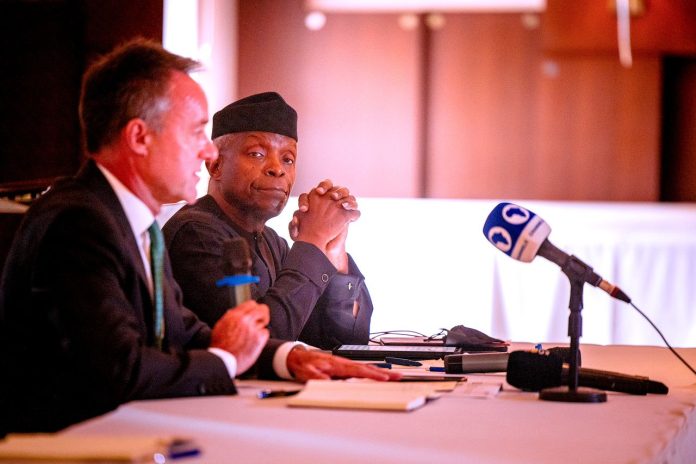
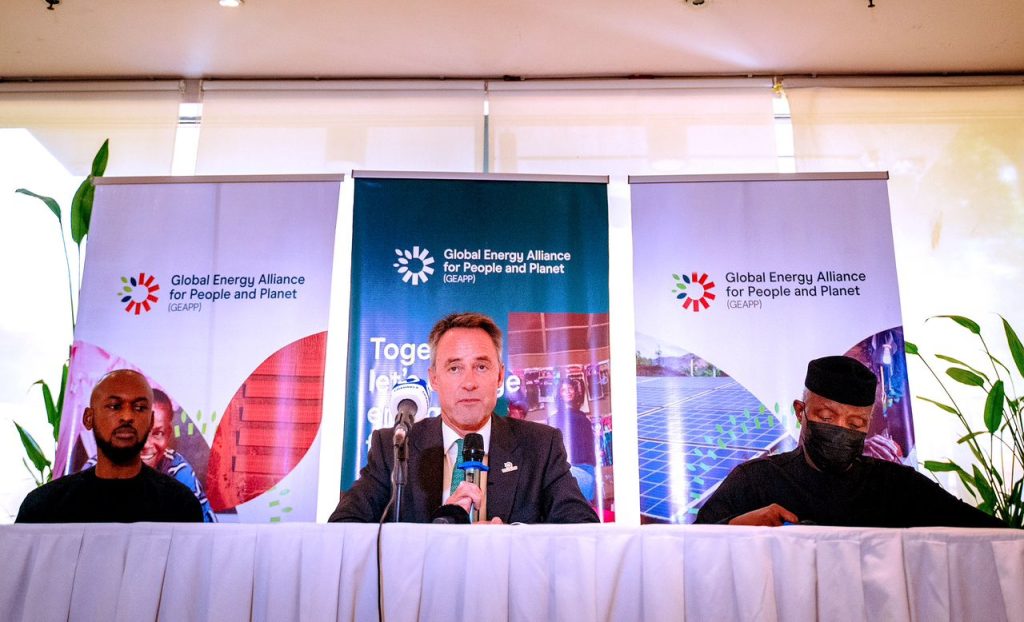
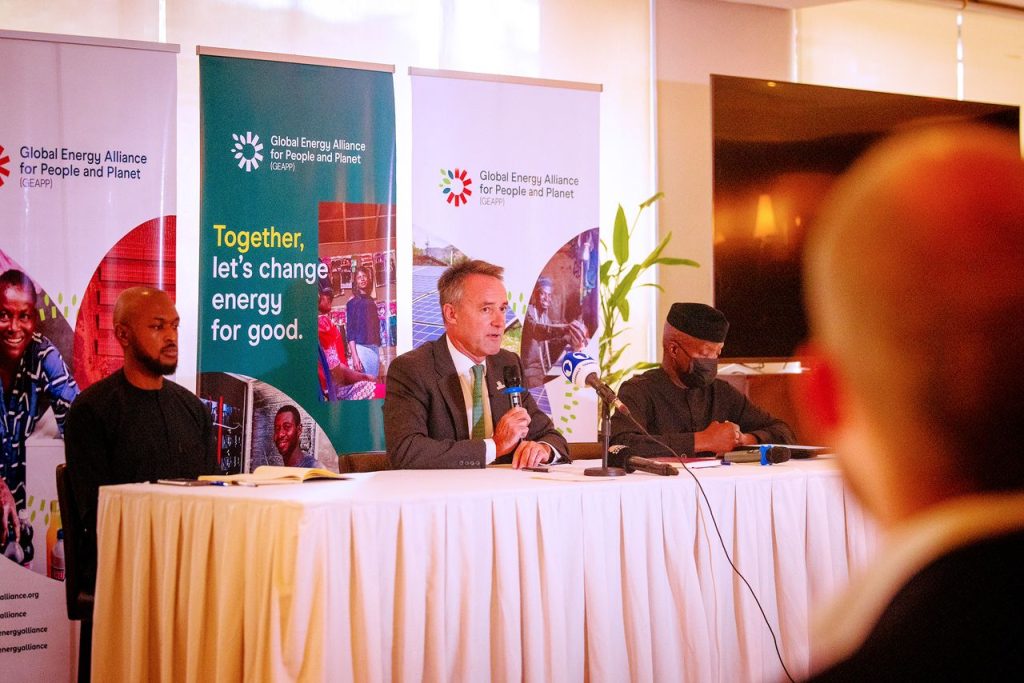
The Global Energy Alliance for People and Planet (GEAPP) has appointed the former Vice President of Nigeria, H.E. Professor Yemi Osinbajo SAN, as Global Advisor to assist GEAPP’s mission of accelerating clean energy deployment in developing countries.
Prof. Osinbajo will support GEAPP’s partnership with governments to enhance the enabling environment and delivery effectiveness to unlock faster and greater capital flows into the clean energy sector. He will also continue his activity as a leading advocate for Just Energy Transitions in Africa including scaling up Africa`s share of the global carbon market via the Africa Carbon Markets Initiative (ACMI). In May, Prof. Osinbajo was also confirmed as lead for the Commonwealth general election observers in Sierra Leone.
Prior to joining GEAPP, Prof. Osinbajo served for eight years as Vice President of the Federal Republic of Nigeria and previously as Attorney General and Commissioner of Justice for Lagos State. An accomplished lawyer, Prof. Osinbajo holds the distinguished title of Senior Advocate of Nigeria.
During his time in public service, Prof. Osinbajo pioneered several people-centred initiatives and programmes, including addressing access to justice, energy access and social investments. He is one of Nigeria’s leading legal experts and has served as Professor of Law and head of department at the University of Lagos. A member of the International Bar Association and the British Institute of International and Comparative Law, Prof. Osinbajo has served on the Nigerian Body of Benchers and the Council for Legal Education of Nigeria.
This appointment underlines GEAPP’s commitment to partnering with governments and communities across Africa, Asia, Latin America and the Caribbean to transition to clean energy systems that are driving economic growth, generating jobs and sustainable livelihoods, and helping to meet urgent climate goals during the next decade.
Prof. Osinbajo said, “I am honoured by the opportunity to join this movement for green energy access. GEAPP’s collaborative model, sense of urgency, and focus on unlocking systemic change is well aligned with the ambitions of emerging economies as they seek a greener future for their citizens. GEAPP’s vision for change is ambitious. That is entirely fitting; if we’re to achieve our twin goals of universal energy access and climate change action, while transforming the lives of millions, then we must set our sights high.”
GEAPP CEO Simon Harford commented, “For many years, His Excellency Prof. Yemi Osinbajo has been a respected role model of public service at the forefront of policy formulation and implementation on crucial developmental issues relating to national planning, climate change, enabling the business and investment environment, governance, and social investment. His professional expertise and leadership, alongside his broad global network and relationships, will be a valuable catalyst in GEAPP’s mission for affordable access to clean energy and a just transition for all.”
Prof. Osinbajo’s role begins with immediate effect.
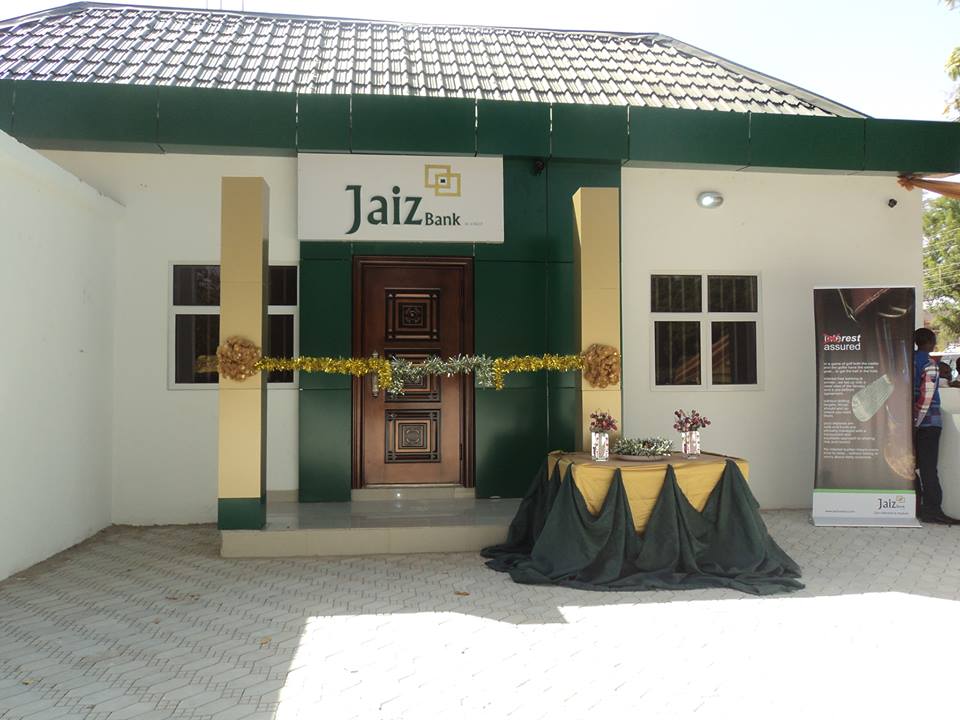
Jaiz Bank Plc has announced the appointment of Mohammed Mustapha Bintube as its new chairman of the Board of Directors.
According to a statement from the bank, Bintube’s appointment followed the approval of the Central Bank of Nigeria (CBN), after his recommendation to the apex bank.
He replaces Umaru Abdul Mutallab, who was the bank’s chairman for about a decade.
Prior to his appointment to the new role, Bintube was a shareholder and pioneer managing director and chief executive officer of Jaiz Bank Plc from 2011 to 2013.
He is currently the chairman, Buraq Capital Limited from 2014 till date. He is also the chairman, board of directors of Emerging Africa Trustees Limited, a position he has held from 2022 till date.
Bintube is also the chairman, board of directors of Neelds Realty and chairman, Qalam Travels and Tours from 2021 till date.
The new board chairman was appointed into the position of chairman, board credit & governance committee of the Bank of Industry from 2017 to 2022; chairman, board licensing & regulatory committee of the Nigeria Communications Commission from 2010 to 2015.
He was the chairman, board finance & general purpose committee of the Nigerian-Reinsurance Corporation from 1991 to 1993.
Bintube’s over three decades of banking career commenced as principal manager, Commercial Bank Credit Lyonnaise from 1989 to 1995; assistant general manager, Commercial Bank Credit lyonnaise from 1995 to 1997; deputy general manager, FSB International Bank from 1997 to 1999; general manager, FSB International Bank from 1999 to 2001.
His career snowballed in the banking industry when he was promoted to the rank of Executive Director at the FSB International Bank and served in that capacity from 2001 to 2004.
As consummate banker, Bintube obtained a Bachelor of Science in business administration from the Ahmadu Bello University, Zaria in 1981 and advance diploma in banking and finance from Fin-Africa- Milan, Italy in1989.
Tuition is designed to solve the challenges in paying school fees for students studying abroad and at home and aims to ensure payments ease when making the transactions.
The new service enables students, parents, guardians and sponsors to pay school fees to over 40 institutions in the UK, with plans to add more institutions in more countries in Africa and beyond.
It has been reported that African payments to overseas schools have been hindered by a myriad of challenges. From the high cost of transactions, limited access to banking services, lack of transparency, security concerns, and currency exchange rates, Africans have faced difficulties in ensuring that their funds are disbursed within the shortest times possible to overseas financial institutions.
The new product will leverage Flutterwave’s world-class payments technology solution to make school fee payments more convenient, secure, and reliable. Parents, guardians, and sponsors can now pay directly to learning institutions in the UK and easily track their transactions by checking the status and history on the Tuition web app.
Olugbenga “GB” Agboola, Flutterwave CEO, commented on Tuition by saying, “We are excited to launch Tuition to support the dreams of African students across all levels who want to study anywhere without worrying about how to meet the deadline for their school fees payment.
“With Tuition, we are providing a safer, reliable, and affordable means for African students to pursue their dreams and seamlessly get financial support from parents, guardians, and sponsors.”
Speaking on the new product launch, Stella Elele, Product Manager of Tuition by Flutterwave, said: “We are always looking for new ways to make payment challenges in Africa hassle-free, and we are confident that Tuition will be a game changer for parents who want to support their children’s education.
“We are excited to offer this solution to parents in Nigeria, with plans to eventually roll out the service to other African countries. We want to provide the best possible service and support for our customers.”
The product is currently available in Nigeria for UK school fees payments and will soon be rolled out to other African countries in the coming months. Flutterwave also plans to add more schools in Africa, the UK, US, Canada, France and Germany as it grows access to the product.
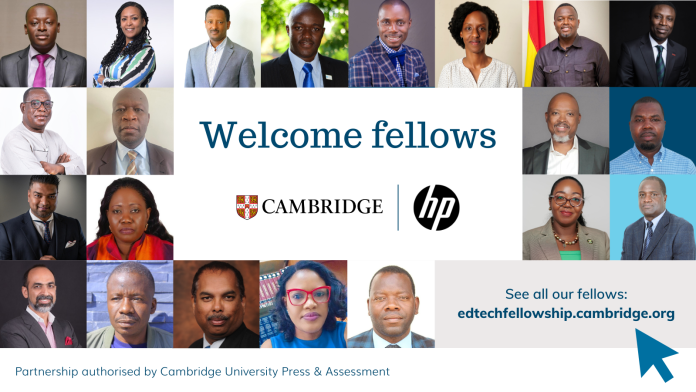
This September, 25 of Africa’s most influential education technology (EdTech) professionals will travel to Cambridge as part of a new fellowship program co-sponsored by the Cambridge Partnership for Education and HP.
The HP Cambridge Partnership for Education EdTech Fellowship is a seven-month programme that aims to grow participants’ knowledge and skills to lead impactful EdTech transformations in their education systems.
The first cohort of EdTech fellows will work to increase the quality and equity of learning through digital transformation in education systems across Sub-Saharan Africa. Learning with technology has the potential to create societies that are not only more inclusive and prosperous, but also ensure that young people are equipped with the skills they need for their careers.
Cambridge and HP selected the group from 400 applications. The first cohort of their HP Cambridge Partnership for Education EdTech Fellowship includes government officials working in education and leaders from private and not-for-profit EdTech organisations.
The Cambridge HP fellowship programme will encompass inclusive EdTech for disadvantaged groups, the role of AI, and digital strategy, policy and governance. The fellows will also develop an equitable solution to an education system challenge using user-centred design while developing their leadership skills.
With Africa experiencing rapid population growth, the first fellows’ influence on global education is set to have a significant impact.
The first fellows include senior government officials responsible for national digital education initiatives, with the goal to improve learning for more than 120 million children across Botswana, Eswatini, Ethiopia, Ghana, Kenya, Malawi, Nigeria, Rwanda, Sierra Leone, South Africa, Uganda and Zambia.
The programme, which starts with online study next week, will include a residential course in September 2023, held at Trinity Hall, University of Cambridge in the UK, as well as one-to-one coaching over the course of seven months.
Fellows joining the programme on scholarship include Dr Frances Alimigbe, Assistant Chief Education Officer at the Teachers Registration Council of Nigeria. Dr Frances works with more than two million teachers across 36 states, including on teacher selection, standards and policy.
Some of the key challenges she plans to focus on during the fellowship are infrastructure and tools and teachers’ digital skills and capacity in schools, especially in rural areas.
“The wealth of contacts and ideas that will be acquired by being a member of the fellowship will form an immense database and viable resource for us to fall back to.
“With the fellowship, we form a community of practice where best practices are shared across borders and generate quality research ideas for improving EdTech transformation in teaching and learning globally.” said Dr Alimigbe.
Other fellows include Mrs. Catherine Agyapomaa Appiah-Pinkrah, Director of General Administration at the Ministry of Education in Ghana. She said: “There is the need to put in place reliable and credible fidelity of implementation strategies for quality assurance in all our programmes and policy implementation. I believe the fellowship will expose me to new ideas, exchange of ideas and experiences and best practices from other participants.”
Jane Mann, Managing Director of Cambridge Partnership for Education, said: “Our first EdTech fellows have huge remits, and huge strengths. They are responsible for turning policy into action.
“Supported by one another, tutors and coaches, the fellows will build healthier EdTech ecosystems where grassroots innovations are promoted, effectively evaluated and successfully scaled to help combat learning crises today and increase education system resilience for the future.”
Mayank Dhingra, Senior Education Business Leader at HP, said: “The next breakthroughs in EdTech will come from emerging visionary leaders in unique national contexts. This programme will enable cross-border discussions and development to help overcome barriers, from infrastructure to curriculum content.”
Cambridge Partnership for Education developed the inaugural EdTech fellowship programme with HP during the AfricanBrains Summit in Lusaka, Zambia in 2022.
The programme is led by Cambridge Partnership for Education Head of Education Technology Solutions Julia Citron. It is supported by the Digital Education Futures Initiative (DEFI) at Hughes Hall at the University of Cambridge and Dr Bjoern Hassler’s team at EdTech specialist NGO, OpenDevEd.