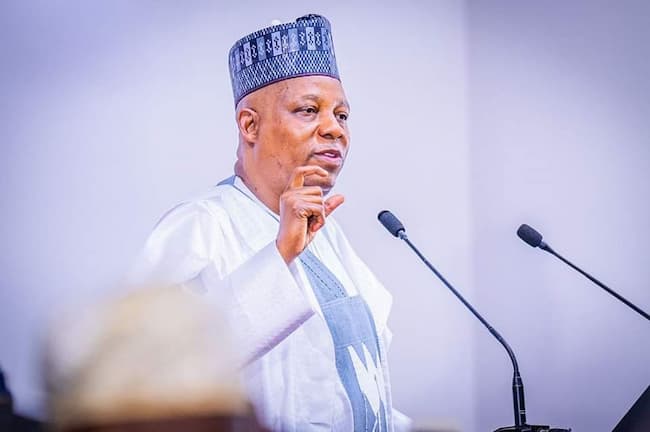
Vice President (VP) Kashim Shettima has established the National Council on Nutrition to address the country’s nutritional issues.
Shettima encouraged the council on Tuesday at the Presidential Villa in Abuja to prioritize innovation and research in its efforts to dramatically improve the nation’s nutritional environment.
“I wish to appeal to all members to prioritise innovation and research in the field of nutrition. We must embrace technology, leverage digital solutions, and invest in research and development to discover sustainable and scalable solutions for our nutrition challenges,” the Vice President was quoted in a statement by his media aide, Olusola Abiola.
“This aligns with our pursuit of the Sustainable Development Goals and Universal Health Coverage. By harnessing the power of innovation and making prudent investments, we can fundamentally transform the nutritional landscape in Nigeria, creating lasting and meaningful change.”
Despite challenges to achieving set targets and goals, the Vice President, who also serves as Chairman of the Council, stated that “we must collaborate to enhance nutrition governance, ensure the widespread availability of nutritious food, champion optimal infant and young child nutrition, and bolster nutrition education and awareness campaigns.”
“While funding is undeniably crucial, we must also prioritise streamlining processes, implementing practical strategies, and fostering genuine collaboration to overcome the hurdles before us.”
“A healthy nation isn’t just a happier one; it’s also safer. This underscores the necessity of our gathering here today. This occasion is not only to emphasize that the quality of what we consume is just as important as the quantity but also to renew our commitment to understanding the connection between food and human security,” Sen. Shettima added.
The Vice President acknowledged the business sector and the United Nations system’s support.
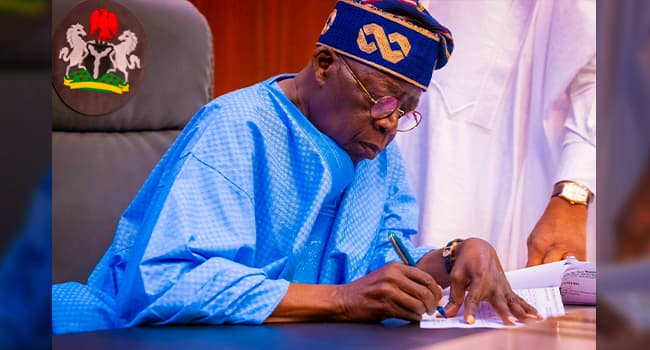
President Bola Tinubu has authorized the appointment of Mandate Secretaries for the Federal Capital Territory (FCT).
The FCT spokesman, Anthony Ogunleye, said in a statement on Tuesday that the appointments will be sworn in on Tuesday, September 12th, at the International Conference Center in Abuja.
The newly appointed secretaries
Bitrus Garki (Area Council Services Secretariat)
Lawan Kolo Geidam (Agriculture and Rural Development Secretariat)
Danlami Ihayyo (Education)
Dr. Adedolapo Fasawe (Health and Human Services Secretariat).
Olubunmi Tunji-Ojo, Minister of Interior, says clearing all passport backlogs should take no more than two weeks, adding that there is no reason for passport delays in Nigeria.
Tunji-Ojo stated this on Tuesday during a Channels TV program that was monitored by BizWatch Nigeria.
He also stated that “clearing all backlogs should not take more than two weeks,” and that the shortage and delay in new passport issuance and renewal fostered corruption in the industry.
“After clearing these backlogs, no Nigerian should wait for more than two weeks,” he stressed.
According to the minister, having a green passport is a right, not a privilege, for every Nigerian.
He said, “It’s a right and not a privilege, Nigerians want that right to be actually theirs, not by somebody offering you your right.”
According to him, any Nigerian should not be regarded with disdain because of a passport application.
“What Nigerians want to see is solutions and that is what the President has constantly told us… No excuses.
“In line with the directive of Mr President, it can no longer be business as usual. We have critically analysed all these scenarios – from the point of going online to fill the form to the point of payment, to the point of picking a date, to the point of biometrics, to the point of issuance of passports.
“And we understand the service providers involved and we have been able to see one or two things to put right,” he said.
Tunji-Ojo also stated that he is in discussions with service providers and the Nigeria Immigration Service to digitize and decentralize the process of issuing and renewal of new passports.
“We have to digitise and we also have to decentralise the whole enrolment system and make it (possible) for people to walk into the nearest post office, people can walk into may be financial institutions and some many other ways. We are still playing with so many ideas,” he said.
Interswitch, Africa’s leading digital payment and commerce company, has emerged as a finalist for Forrester’s 2023 Enterprise Architecture (EA) Award for Europe, the Middle East, and Africa (EMEA) for excellence in creating outcome-driven EA practices that drive business growth.
This award is presented in partnership with The Open Group, author of the TOGAF® standard, which was developed by The Open Group Architecture Forum. Recipients of this year’s Forrester’s Technology Awards will be honoured at Technology & Innovation EMEA, being held physically in London and virtually, October 12–13, 2023.
Emerging as a finalist at the Forrester’s Enterprise Architecture Award is a testament to the technology giant’s unwavering commitment to creating outcome-driven Enterprise Architecture practices that serve as catalysts for business growth and innovation.
The award ceremony is a gathering of Chief Information Officers (CIOs), Chief Technology Officers (CTOs), Chief Digital Officers (CDOs), and other influential technology leaders. It also serves as a platform for industry leaders to share and gain invaluable insights into best practices and cutting-edge tools, enabling them to meticulously craft technology strategies that are finely attuned to drive their businesses to new heights.
Speaking on this recognition, Babafemi Ogungbamila, Chief Information Officer at Interswitch Group, stated, “At Interswitch, we’ve always stood as pioneers of excellence in technology and innovation in Africa, with an unwavering commitment to cultivating practices that fuel business growth and foster innovation.
“Earning recognition as a finalist for Forrester’s 2023 Enterprise Architecture Awards is testament to our dedication to nurturing an agile, resilient and scalable technology ecosystem that empowers businesses and individuals alike, facilitating the capabilities which enable us process volumes exceeding a billion transactions a month seamlessly.”
Also speaking on the milestone, Patrick Okebu, Head of Enterprise Architecture at Interswitch added that “We are honored to share our journey and insights at the Technology & Innovation EMEA event, where we aim to contribute to the discourse on strategies to align the business with technology towards sustainable growth.”
“Forrester Technology Award recipients are successfully adapting to a rapidly changing tech landscape and driving business growth in a disruptive time,” said Laura Koetzle, VP, group research director at Forrester.
“In successfully transforming their technology strategies and capabilities with adaptivity, creativity, and resilience, these companies are ensuring that the needs of their employees, customers, and key stakeholders remain their top priority.”
Interswitch, alongside other Forrester Technology Award recipients will share their success stories at Technology & Innovation EMEA, a leading event for chief information officers, chief technology officers, chief digital officers, and other technology leaders to learn best practices and tools to home in on the technology strategy best suited to fuel their business growth.
As the technology landscape evolves at an unprecedented pace, Interswitch remains resolute in its commitment towards providing the foundation upon which businesses can build their digital futures.
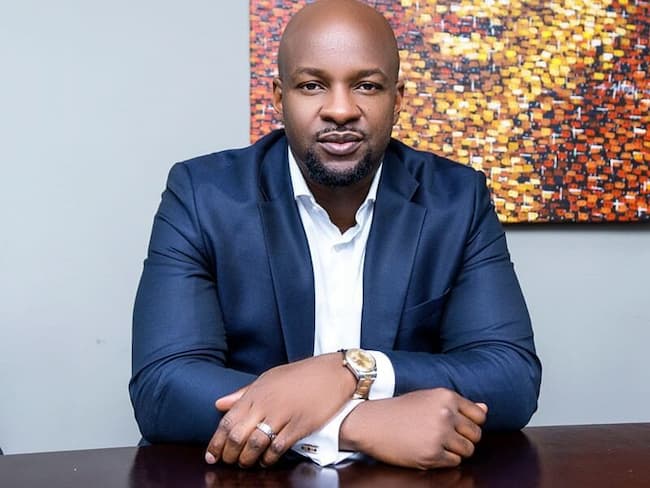
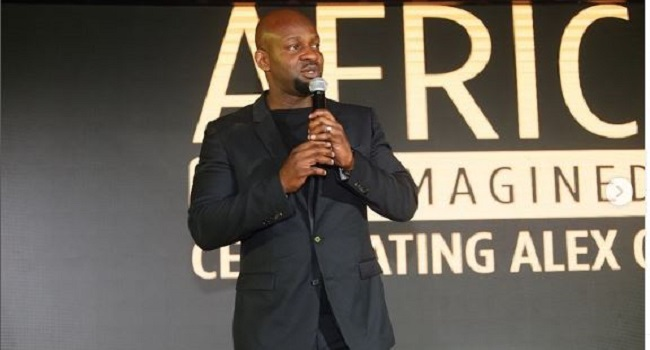
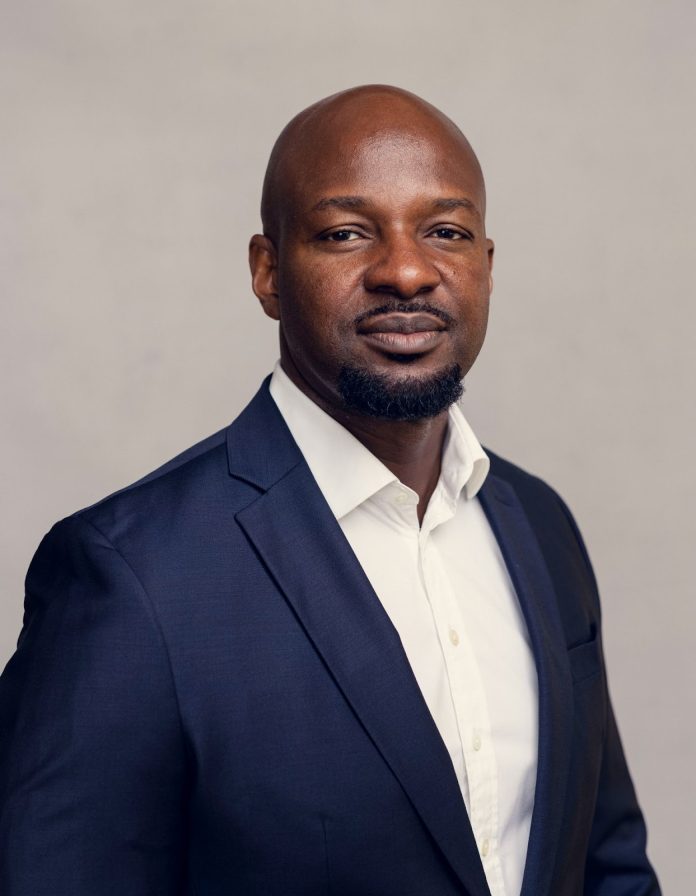
Alex Okosi, currently Managing Director (MD) for YouTube in EMEA Emerging Markets, has been named Managing Director for Google in Africa by Google.
Alex Okosi
Google has been operating in Africa for over a decade and has offices in Ghana, Kenya, Nigeria and South Africa. The company’s products and services are used by millions of people in Africa every day.
Here’s what you should know about Google Africa’s New MD, Alex Okosi
His role: Okosi will be in charge of Google’s operations in Africa, including programs to help African businesses and economies flourish, as well as expanding access and offering tools to enable the next billion users get more out of the Web.
His track record: Alex is a proven leader with extensive expertise in the media and technology industries. He has a strong awareness of African countries and a strong desire to use technology to benefit people and businesses.
History: Prior to joining YouTube, he held the position of Executive Vice President and Managing Director of Viacom International Media Networks Africa and BET International.
YouTube role: In his most recent position at YouTube, Okosi played a pivotal role in steering the platform’s growth and expansion across Africa, the Middle East, and Turkey.
His commitment: Okosi said that he is excited at the prospect of leading Google’s team in Africa, “and the opportunity to be an even closer part of this diverse and dynamic region, which is so close to my heart. “I’m a firm believer in the potential for technology and, in particular, the internet to improve people’s lives and to help individuals and businesses in Africa to thrive.”
₿trust, a non-profit organisation which exists to decentralise development of Bitcoin software, has today announced its acquisition of Qala, the leading organisation training the next generation of African Bitcoin and Lightning engineers.
The deal, which was completed on 1st September 2023, will see Qala rebrand as the ₿trust Builders Programme, to strengthen ₿Trust’s mission to drive the development and education of Bitcoin open-source engineers from across the Global South.
Launched in 2021, ₿trust focuses on fostering developer talent and supporting the free and open source Bitcoin ecosystem by locating, educating, and remunerating Bitcoin open source engineers from the Global South. Originally funded by Jack Dorsey and Jay-Z, ₿trust is currently headed up by a board of directors – Abubakar Nur Khalil, Carla Kirk-Cohen, Obi Nwosu and Ojoma Ochai. Under the quartet’s leadership, the organisation has launched the Africa Open Source Cohort, which offers support to its pioneer member, Vladimir Fomene, working on the Bitcoin Development Kit, and proudly sponsors the Africa Bitcoin Conference, an annual gathering for Bitcoin stakeholders from all around Africa and beyond.
Qala, founded in 2021, sources, trains and matches African software developers with leading Bitcoin companies from across the world, equipping its engineers with the most sought-after skills in the global Bitcoin talent market. To date, Qala has built Africa’s largest online community of Bitcoin developers spanning over 42 countries including Nigeria, Kenya and Uganda. With an impressive fellowship placement rate, the programmes’ alumni have secured roles at the likes of Galoy, SphinxChat and Bitnob, as well as open-source grants from ₿trust and Superlunar.
Speaking on the acquisition, Bernard Parah, Co-Founder & Director of Qala, says “When we launched our programme in 2021, our goal was clear – to build a critical mass of African engineers with a deep understanding of Bitcoin’s capabilities to transform the continent. Today’s announcement significantly accelerates this mission, strengthening our capacity to not only expand our existing community, but effectively resource them to play a major role in influencing Bitcoin’s open-source development as a vital solution to Africa’s unique socio-economic challenges.”
“With this in mind, we strongly believe our new transition should not only be viewed as a massive boost for the Bitcoin ecosystem, but a crucial foundation in leveraging Bitcoin as the gateway and catalyst to financial freedom in Africa and the Global South.”
As part of the deal, Femi Longe, CEO of Qala, and Stephanie Titcombe, Programmes Manager at Qala, will officially join ₿trust as Programme Leads at ₿trust Builders. To kickstart the next phase of its growth journey, ₿trust Builders’ programme will pivot to focus on open-source training and has launched a call for its next cohort of senior African software developers seeking to transition into building for Bitcoin and Lightning.
Ojoma Ochai,Board Member at ₿trust, outlines “We’re incredibly proud to welcome Femi and his excellent team to ₿trust. With Qala’s extensive outreach and world-class programmes, the organisation has made rapid progress in driving open-source development in the Global South through the advancement of education within the region, which is heavily aligned with our core mission at ₿trust.”
“As we move forward, we’re fully focussed on not only building on Qala’s impressive work in Africa, but empowering more developers throughout the Global South with the support they need to build truly innovative open source solutions through the power of Bitcoin.”
In September 2023, ₿trust Builders will launch the ‘Build for Africa’ Hackathon, which seeks to encourage makers to build solutions that solve African challenges and increase bitcoin adoption in Africa. This will serve as a platform for open innovation and collaborative problem-solving, where makers will converge to generate novel ideas through an idea hack focused on tackling Africa-specific challenges, and accelerate their bitcoin projects through mentorship in design, development, and lightning integration. The hackathon is a key pre-event for the Africa Bitcoin Conference on 1 – 3 December in Accra, Ghana, which ₿trust is proud to support for the second year running.
For more information about ₿trust Builders (formerly Qala) and its mission to train the next generation of Bitcoin and Lightning Developers, visit: https://builders.btrust.tech.
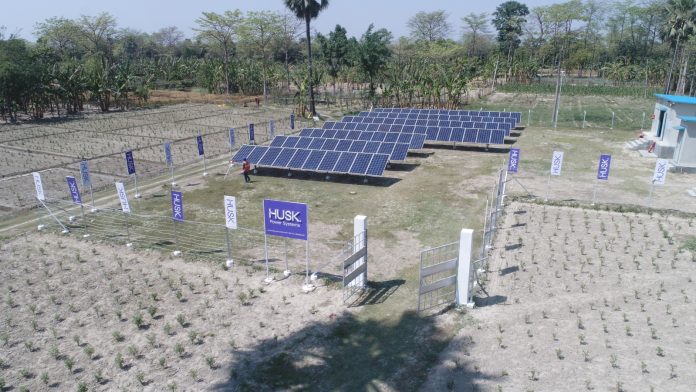
In a major commitment to fast-track climate-resilient economic growth in rural Sub-Saharan Africa, Husk Power Systems today announced the “Africa Sunshot” initiative, with a goal of having 2,500 net-zero minigrids operating in off-grid and weak-grid communities in the region within 5 years. Husk expects to mobilize $500 million in equity and debt to finance the Sunshot.
Announced as part of the inaugural Africa Climate Summit, Husk put forward a set of goals that significantly raised the ambitions of the minigrid industry ahead of 2030, the deadline for achieving the Sustainable Development Goals (SDGs), including universal energy access as part of SDG7.
The 5-year goals of the Africa Sunshot include:
2,500 operational minigrids
1 million new connections directly impacting 7.7 million people
225,000 micro small and medium sized enterprises (MSMEs) connected
150MW installed of rooftop solar commercial and industrial (C&I)
2.1 megatons of CO2 avoided through displacement of diesel generation
In the 33 least developed countries (LDCs) in Africa, the electrification rate is only 36%. According to the World Bank, powering 380 million people in Sub-Saharan Africa by 2030 will require the construction of more than 160,000 minigrids at a total cost of $91 billion. At the current pace, only about 12,000 new minigrids serving 46 million people will be built. Without a massive industry scale-up and a more than 10-fold increase in the industry’s current deployment rate, SDG7 will remain decades away.
Husk currently has more than 200 minigrids in operation in Nigeria and India. Under the Africa Sunshot, Husk outlined country-specific targets, including 1,000 minigrids in Nigeria (doubling Husk’s previous target), 500 in the Democratic Republic of Congo (DRC) and 250 each in four additional countries still to be identified. With the needed 10-fold increase in mind, earlier this year Husk put forward a new public-private partnership (PPP) framework, offering to mobilize financing to build hundreds of minigrids in Africa if the right conditions are in place.
Referring to today’s announcement, Manoj Sinha, Husk’s Co-Founder and CEO, said: “Meeting the targets of the Africa Sunshot will require operational excellence from Husk, and we are ready to mobilize immediately. It will also need the active support of governments to get the right policies in place that integrate minigrids as a central component of national electrification and energy transition plans. Finally, all investors, including development finance institutions, infrastructure funds, and commercial debt providers, must provide the appropriate quantum, tenure and cost of capital to meet these accelerated timelines.”
Added Olu Aruike, Husk’s Nigeria Country Director: “Now is the time to support a 10-fold increase in the minigrid industry and supercharge low carbon and climate resilient growth in rural Africa. We’re already doing it at scale today in Nigeria, the world’s largest off-grid market, and it’s time to roll out that scale across the continent.”
African Export-Import Bank (Afreximbank) has signed a formal agreement for the acquisition of land for the New Administrative Capital African Trade Centre (NAC-ATC), which will house the Bank’s headquarters, along with other trade-supporting facilities and entities, in Egypt’s new administrative capital in Cairo.
The agreement provides for a complex that includes a conference centre, a hotel, an exhibition centre, an innovation hub and retail facilities.
Signed by Prof. Benedict Oramah, President and Chairman of the Board of Directors of Afreximbank, and Mr. Khaled Mahmoud Abbas, Chairman of the Board and Managing Director of the Administrative Capital for Urban Development Company, during a ceremony at the Egyptian Ministry of Foreign Affairs, the NAC-ATC is being developed as a “landmark mixed-use modern futuristic iconic one-stop-shop business complex with broad intra-African trade character and appeal” which is expected to position Egypt as the trade and investment gateway to Africa.
In addition to providing an integrated centre for trade information, trade services, trade finance and other trade facilitation services to African businesses, the NAC-ATC will bring together African and global trade ecosystems to create a powerful network that could be leveraged to explore business opportunities in those markets.
Speaking after the signing, Prof. Oramah said that NAC-ATC was being constructed to serve as the headquarters of the network of trade centres being established by Afreximbank across Africa to cover the continent’s commercial capitals.
He expressed confidence that NAC-ATC would facilitate Egypt’s trade with, and investment in, the rest of Africa and would have a significant impact on the country’s new capital city and on the Egyptian business community, noting that the centre would also host other export credit agencies, Development Financial Institutions, Exim banks, trade and investment promoting entities.
Prof. Oramah pointed out the significance of the signing of the agreement on the 31st of August, saying that the Bank’s Headquarters Agreement with the Government of Egypt was signed on the same date in 1994.
He expressed satisfaction that, “with NAC-ATC, we can now offer all our services under the umbrella of the ATC,” adding that the construction of the centre will commence immediately and serve as a rallying point for the African diplomatic corps and would open the door for other entities to follow.
Brand advertising is a key aspect in promoting businesses. It creates an impression on the wider audience, boosts awareness of various products, and makes the brand name recognizable.
Adapting to the tech-savvy world we are in now, many businesses opt to market their products online – especially through social media platforms.
Popular platforms like Facebook and YouTube have long enjoyed massive privileges that come with advertising. However, TikTok has garnered more appeal among corporations and businesses and is proving a worthy competitor against the much older and recognized platforms.
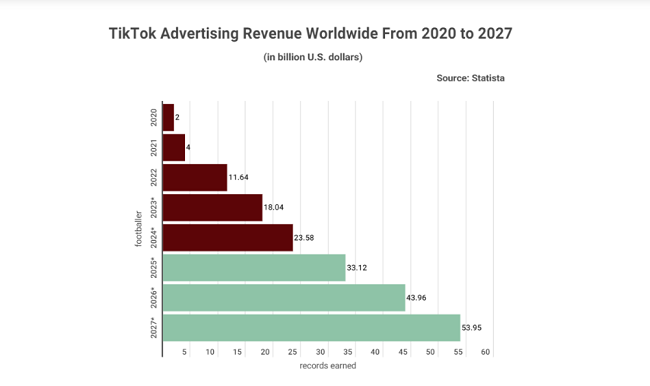
According to TradingPlatforms.com, the global TikTok advertising revenue is set to reach $ 53.95 billion by 2027. This comes shortly after TikTok announced its global advertising revenue of nearly $12 billion in 2022.
The site’s financial analyst, Edith Reads, comments, “Over the years, TikTok has gained massive traction, especially from Gen Z , who value the space it provides for self-expression and interest exploration.
“Businesses wanting to reach the much younger generation are considering TikTok as their main advertising outlet. The projected results for 2027 only speak volumes of the desire for businesses, small and huge alike, to interact with the new generation and promote their products, potentially bringing more returns.”
TikTok As an Advertising Platform
As of 2021, TikTok was the most downloaded mobile app globally. As a result, TikTok raked in about $4 billion from advertising that year. Netflix was a major contributor to that revenue, with over 4.5 thousand influencers on the platform promoting it.
Since then, advertisers have been drawn to the app, and the rise in advertising revenue by nearly thrice as much in 2022 clearly indicates that.
By the end of 2023, the estimated advertising revenue is roughly $18 billion, with TikTok expecting more businesses to partner with them. Moreover, experts predict that by 2024, TikTok’s ad revenue will reach $23.58 billion, an increase of about 30.7% from 2023, placing the app at a level similar to YouTube’s.
Not to mention, the coming years’ revenue indicate a steady increase for TikTok, with 2026 at about $ 43 billion and 2027 marking the start of the $50 billion mark.
The firm’s projected revenue in 2027 will account for nearly 37% of the total estimated online advertising revenue. This projection is what businesses and influencers look forward to as it is greater than that of Facebook and YouTube combined, whose arms will amount to about 24% of global online advertising.
Why is TikTok Becoming More Appealing For Brand Advertising?
Unlike other platforms, TikTok’s algorithm focuses more on discovery and exploration than your friends’ content or posts. It allows one to explore their interests and find new content easily. What that means for businesses is that their adverts are likely to go viral quickly, hence selling their products faster and to a wider market. As a result, more companies are taking on TikTok as their main advertising outlet.
For Gen Z today, TikTok is the more appealing app. The short video platform catches the attention of the young with the many dance challenges, lip syncing and several other entertainment options. TikTok’s appeal to the younger generation calls on businesses to act and market more of their products on the platform.
With TikTok’s user base, finding the right influencers for your marketing options is easy. TikTok provides the number of followers and views for certain videos, giving people an idea of how many people one can reach simultaneously. Not to mention, businesses can use both small and big influencers for marketing their ideals and products.
TikTok’s user base is increasing on a massive scale and will serve the firm more favors in the long run. The projected results in 2027 will only propel TikTok further and make it the number-one advertising social media platform. The estimated ad revenue speaks for itself and only shows that TikTok is here to stay for a long time.
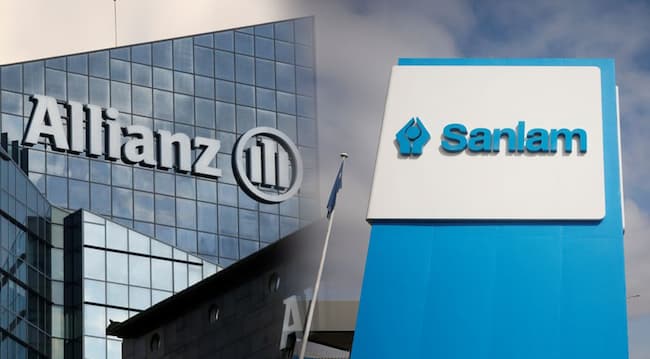
Sanlam, Africa’s largest non-banking financial services provider, and Allianz, one of the world’s leading insurers and financial services providers are pleased to announce that they have received regulatory approvals for the joint venture that will create the leading Pan-African non-banking financial services company with a presence in 27 countries in Africa.
The joint venture will operate as SanlamAllianz. SanlamAllianz’s ambition is to be among the top three players, in both market share and profitability, in the markets where the company will operate.
The joint venture is expected to have a combined group equity value (GEV) of approximately R35 billion. Retail and corporate clients will benefit from a broader offering of insurance products tailored to their needs as well as best-in-class financial solutions. Products and services will be available in the markets where one or both companies currently operate. Namibia will be included at a later stage, while South Africa is excluded from the agreement.
“We are confident that SanlamAllianz will create significant value for clients, shareholders and other stakeholders. The combined expertise and resources of our respective companies will enable us to provide innovative solutions and services to meet the ever-evolving needs of our clients on the African continent,” stated Sanlam group’s chief executive officer, Mr Paul Hanratty.
Mr Christopher Townsend, board member of Allianz SE, commented: “SanlamAllianz has the capability to gain leadership positions in all key markets in both general insurance and life segments. With this powerful partnership, we want to unlock the potential of multiple fast growing African markets and access a wider range of customers, particularly in the corporate segment. Allianz is deepening its commitment to the vibrant continent and is building on our 100-year legacy here.”
The priorities of SanlamAllianz are to:
Drive financial inclusion, focusing on the number of lives touched, by providing greater access to products and services through digital innovation; and leveraging their telecommunications and bancassurance partnerships to create new opportunities across the Africa region;
Provide the best of two leading multinational brands with enhanced offerings in property and casualty as well as life insurance offerings through innovation and the additional capabilities enabled by greater economies of scale; and
Grow the life and general insurance businesses through product, service and distribution innovation.
“The joint venture marks a significant step forward in further implementing Sanlam group’s strategy that we have pursued over the past few years.
“Opportunities to improve insurance penetration in Africa abound for those with the right combination of financial strength, scale, new technology and a tangible commitment to the customer. We believe that SanlamAllianz has all the ingredients to succeed on this new journey,” said Mr Hanratty.
Mr Heinie Werth, the current CEO of Sanlam Emerging Markets, has been appointed as the CEO of SanlamAllianz. In a career spanning 25 years at Sanlam, Mr Werth has held various executive positions within the group, including that of finance director.
PZ Cussons Nigeria Plc (“PZCN” or the “Company”) hereby notifies the Nigerian Exchange Limited (“NGX”) and the investing public that PZ Cussons (Holdings) Limited (the “Core Shareholder”) has informed the Board of Directors of the Company (the “Board”) of its intention to acquire the shares held by all the other shareholders of PZCN, subject to prevailing market conditions, at an offer price of ₦21 per share (the “Proposed Transaction”).
The Proposed Transaction is however, subject to the consideration and approval of the Board of PZCN, the Company’s shareholders and requisite regulatory authorities.
In their offer, the PZ Cussons Group explained that they believe the transaction is necessary in order to enable them to significantly simplify and strengthen operations in Nigeria creating the foundations for the Nigerian business to deliver against its strategy, building a more agile and innovative business, and noted that PZ Cussons has been present in Nigeria since 1899 and expects Nigeria to remain an important market for the Group for many years to come.
It is intended that the Proposed Transaction will be implemented under a Scheme of Arrangement in line with section 715 of the Companies and Allied Matters Act, No.3 of 2020 (as amended) and other applicable rules and regulations. This will require the Company to convene a general meeting of its shareholders by an order by the Federal High Court (the “Court Ordered Meeting”).
Details of the Court Ordered Meeting (which includes the date, time, venue and agenda for the meeting) will be communicated to shareholders upon receipt of the requisite approvals from the Board, the Securities and Exchange Commission and the Federal High Court.
The terms and conditions of the Proposed Transaction will be provided in the Scheme Document which will be dispatched to all shareholders prior to the Court Ordered Meeting.
Further developments will be communicated to shareholders in due course. The Company’s shareholders and members of the public are advised to exercise caution in dealing in PZCN’s shares until further information is provided.
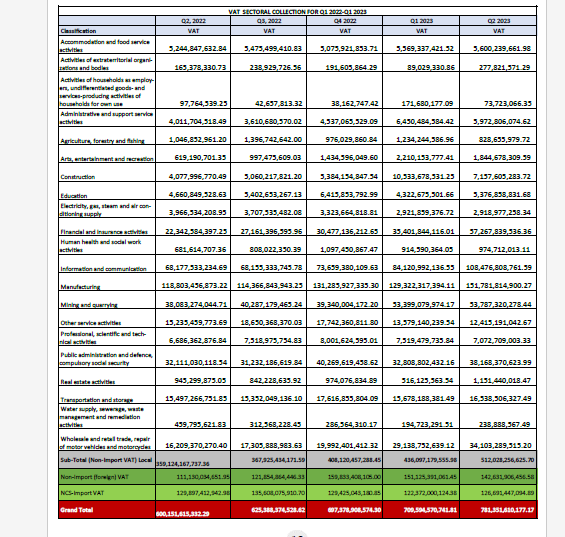
The Value Added Tax (VAT) for Q2 2023 was recorded at ₦781.35 billion, representing a 10.11% quarter-on-quarter increase from ₦709.59 billion in Q1 2023, this is according to the data obtained from the National Bureau of Statistics
In Q2 2023, local payments totaled ₦512.03 billion, foreign VAT payments totaled ₦142.63 billion, and import VAT contributed ₦126.69 billion.
From the datat obtained by BizWatch Nigeria, extraterritorial organizations and bodies experienced the largest quarter-on-quarter growth rate of 212.06%, followed by real estate activities at 123.09%.
Household activities as employers, undifferentiated goods- and services-producing activities of households for personal use, on the other hand, had the lowest growth rate of -57.06%, followed by agriculture, forestry, and fisheries with -32.86%.
In terms of sectoral contributions the data also showed that manufacturing had 29.64%, information and communication had 21.19%, and financial and insurance industries had 11.18% in Q2 2023.
They are the driving forces behind humanitarian crises, the improvement of public services such as healthcare, education, housing, and child protection, the promotion of culture, science, and sports, and the preservation of cultural and natural assets.
Furthermore, they light the torch for the rights of marginalized and underprivileged populations, disseminating the message of humanity even in conflict-torn areas.
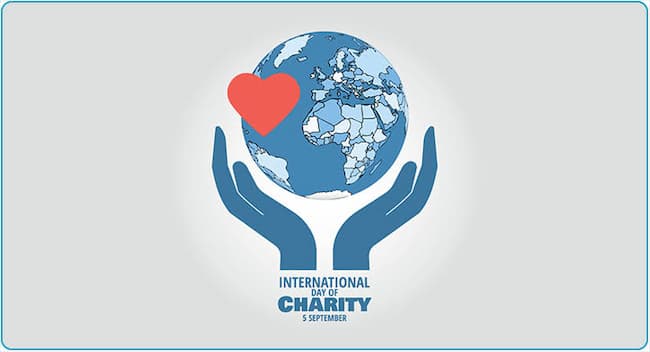
International Day Of Charity 2023
The United Nations (UN) adopted the 2030 Agenda for Sustainable Development in 2015, naming poverty eradication as the most pressing global concern.
This tremendous endeavor is a necessary prerequisite for long-term progress. The Agenda calls for renewed and stronger global solidarity, with a special emphasis on the needs of society’s poorest and most vulnerable members.
It also recognizes the vital role played by diverse sectors, ranging from micro-enterprises to cooperatives to multinational corporations, as well as civil society groups and philanthropic entities, in achieving the new Agenda’s objectives.
The Agenda’s 17 Sustainable Development Goals (SDGs) are organized into six critical areas: people, planet, prosperity, peace, partnership, and dignity.
These objectives have the ability to transform our world by offering a complete framework that allows philanthropic institutions, individuals, and organizations to make meaningful contributions to the benefit of society and the earth.
The Importance of the International Day of Charity
The International Day of Charity was established to raise awareness and mobilize individuals, Non Governmental Organizations (NGOs), and stakeholders worldwide to aid others through volunteer and philanthropic initiatives.
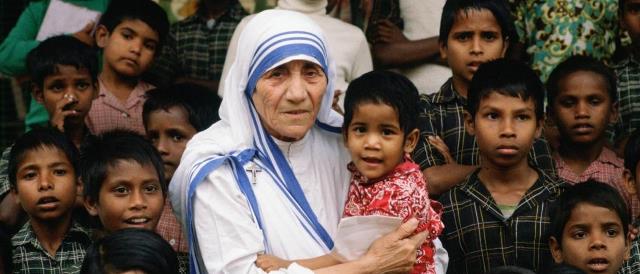
The date, September 5th, was chosen to honor the death of Mother Teresa of Calcutta, a unique figure who received the Nobel Peace Prize in 1979 for her persistent labor in the struggle to alleviate poverty and hardship, understanding that these issues are also dangers to peace.
Changemakers in Nigeria and Beyond
Nigeria, with its diverse population and rich cultural tapestry, is not immune to the issues of poverty and inequality. However, it is encouraging to see the focused efforts of NGOs, businesses, and individuals committed to alleviating poverty on a national and global scale.
Non-Governmental Organizations (NGOs)
Numerous NGOs in Nigeria have worked tirelessly to elevate the downtrodden and poor. These groups are concerned with issues like as education, healthcare, women’s empowerment, and community development.
Among many more, notable examples are the Nigeria Red Cross Society, Save the Children Nigeria, and LEAP Africa.
Corporate Social Responsibility (CSR)
Several Nigerian corporations have recognized their responsibility in poverty alleviation. They invest in projects that improve the quality of life for communities through their CSR efforts. Dangote Group, MTN Nigeria, and Access Bank have all made considerable gains in this area.
Individual Philanthropists: Successful people from diverse disciplines have taken it upon themselves to give back to society. Aliko Dangote, Tony Elumelu, and Folorunso Alakija, among others, have founded foundations and programs to address poverty, young unemployment, and healthcare concerns.
Global Efforts
Nigeria is not fighting poverty alone. International organizations and foundations, such as the Bill and Melinda Gates Foundation and the United Nations Development Programme (UNDP), work with Nigerian partners to conduct poverty reduction and sustainable development programs.
Let us celebrate the spirit of giving and global solidarity in the fight to end poverty on the International Day of Charity in 2023. The work of non-governmental organizations (NGOs), businesses, and individuals in Nigeria, along with the backing of foreign organizations, exemplifies the power of collective action in achieving a brighter, more equitable future for all.
We can make considerable progress toward reaching the ambitious Sustainable Development Goals and creating a world where poverty is a distant memory if we continue to advocate the cause of charity and philanthropy.
In a world often divided by borders, languages, and cultures, there is a universal language that transcends all barriers—the language of compassion. On International Day of Charity, observed every year on September 5th, we celebrate the power of giving, the spirit of generosity, and the profound impact of charitable acts that know no boundaries.
This day reminds us that charity is not just about financial donations; it’s about fostering empathy, kindness, and solidarity with those in need. Join us as we explore the significance of this remarkable day and the incredible ways in which individuals and organizations around the globe are making a difference.
A Day of Global Unity:
International Day of Charity, established by the United Nations in 2012, coincides with the anniversary of the passing of Mother Teresa, a symbol of selfless devotion to humanitarian causes. This day serves as a poignant reminder of the values she represented and encourages people worldwide to channel their inner altruism.
The Essence of Charity:
Charity is more than the act of writing a check; it’s about empathy, understanding, and the desire to alleviate suffering. Whether it’s lending a helping hand to a neighbor in need, volunteering at a local food bank, or contributing to global initiatives, every charitable act, no matter how small, has a ripple effect. It fosters a sense of community and reminds us of our shared humanity.
The Power of Collaboration:
One of the most remarkable aspects of International Day of Charity is the way it brings people and organizations together, transcending borders and differences. Charities, non-profits, and philanthropic groups join forces, pooling resources and expertise to tackle complex global issues like poverty, hunger, and disease. It’s a day when the world unites to address the challenges that affect us all.
Charity in Action:
Around the world, countless stories of compassion and selflessness inspire us on this special day. From the volunteers rescuing animals in distress to doctors providing free medical care to underserved communities, and from educational initiatives ensuring every child has access to learning to social enterprises creating sustainable solutions, the spectrum of charitable endeavors is vast and inspiring.
Spotlight on Sustainable Giving:
International Day of Charity also serves as a platform to promote sustainable charitable practices. Many organizations are shifting their focus from short-term relief to long-term, systemic change. They recognize that addressing the root causes of issues such as poverty and inequality is just as important as immediate relief efforts.
As we celebrate International Day of Charity, we are reminded that the world can be a better place when we come together with open hearts and open hands. This day encourages us to step outside our comfort zones and extend a helping hand to those in need, whether they are across the street or across the globe. Let us be inspired by the stories of compassion and generosity that surround us, and let us remember that charity knows no boundaries—it is a force that unites us all in the pursuit of a brighter, more compassionate world.
Entrepreneurship is an exciting adventure, but it is not without its hurdles, one of the most significant of which is acquiring funding for your startup business. To turn a bright concept into a profitable business, financial resources are required, and understanding the many funding choices available is critical.
In this article, we are going to be looking at seven methods entrepreneurscan make use of when getting money to make their ambitions a reality.
Fueling Your Startup with Personal Savings
The simplest approach to fund your firm is by bootstrapping, which involves utilizing your personal funds and resources. While it may appear difficult, bootstrapping allows you to keep total control of your firm without diluting ownership. It takes financial prudence and careful planning, but it may be quite lucrative in the long term.
Angel Investors
Individuals that donate funding to businesses in return for stock or convertible debt are known as angel investors. Aside from capital, angel investors frequently contribute industry experience, coaching, and networking possibilities. Developing a close relationship with an angel investor may propel your firm to success.
Venture Capital
In return for equity, venture capital (VC) firms invest in businesses with great growth potential. VC investment is suitable for firms seeking quick growth and scalability. While obtaining venture capital might be difficult, it provides access to significant money, mentorship, and a network of specialists that can help direct your startup’s growth trajectory.
Crowdfunding
Crowdfunding has transformed startup finance by enabling entrepreneurs to raise modest sums of money from a large number of individuals through online platforms. This technique democratizes investment while also creating a loyal customer base, whether through reward-based crowdsourcing (giving supporters a product or service) or equity-based crowdfunding (providing shares in exchange for contributions).
Bank Loans and Lines of Credit
For startups with a solid business plan and creditworthiness, securing a bank loan or line of credit is a tried-and-true funding method. While interest rates and repayment terms apply, these options offer stability and the potential to build a credit history for your business.
Accelerators and Incubators
Accelerator and incubator programs provide funding, mentorship, and resources in exchange for equity or a fee. These programs typically run for a fixed period and focus on refining your business model, honing your pitch, and connecting you with potential investors. Participating in such programs can fast-track your startup’s growth.
Grants and Competitions
Various government agencies, nonprofit organizations, and corporations offer grants and competitions that reward startups for their innovative ideas and solutions. While these opportunities can be competitive, winning one can provide not only financial support but also validation and visibility within your industry.
Securing money for your business is surely a scary undertaking, but it is one that can be done with the appropriate information and attitude. Whether you want to bootstrap, seek angel investors, access venture capital, embrace crowdfunding, choose for traditional loans, engage in accelerator programs, or compete for grants and competition prizes, each approach offers its own set of benefits. Whatever strategy works best for your firm, keep in mind that perseverance, resilience, and flexibility are the fundamental foundations that will help you convert your entrepreneurial aspirations into a successful reality.
Google today announced that Alex Okosi, currently Managing Director for YouTube in EMEA Emerging Markets, will take on the role of Managing Director for Google in Africa.
In his new role, Okosi will be responsible for Google’s operations in Africa including programs to help businesses and economies on the continent to grow, as well as expanding access and providing tools to help the next billion users get more from the Web.
“Alex is a proven leader with a wealth of experience in the media and technology industries. He has a deep understanding of African countries and a passion for using technology to empower people and businesses,” said Meir Brand, Vice President, EMEA Emerging Markets at Google.
Okosi is a seasoned media, entertainment, and technology leader. Prior to joining YouTube, he held the position of Executive Vice President and Managing Director of Viacom International Media Networks Africa and BET International. In his most recent position at YouTube, Okosi played a pivotal role in steering the platform’s growth and expansion across Africa, the Middle East, and Turkey.
“I am excited at the prospect of leading Google’s team in Africa and the opportunity to be an even closer part of this diverse and dynamic region, which is so close to my heart,” said Okosi. “I’m a firm believer in the potential for technology and, in particular, the internet to improve people’s lives and to help individuals and businesses in Africa to thrive.”
Google has been operating in Africa for over a decade and has offices in Ghana, Kenya, Nigeria and South Africa. The company’s products and services are used by millions of people in Africa every day.
The Nigerian naira fell down to N747.87 per US dollar (USD) on Monday as statistics from FMDQ Exchange indicated that FX inflows through the Investors and Exporters window fell considerably in July.
The Naira fell 1.01 percent at the official window compared to the N740.38 it traded for the US dollar on Friday, aided by the Central Bank of Nigeria’s FX intervention. According to currency dealers, the open indicative rate ended at N772.06 to the dollar on Monday.
It was observed that the highest spot exchange rate recorded during the day’s trade was N799.90 to the US dollar before it ended at N747.87. The naira was sold for as little as N730 to the dollar throughout the day’s trade, according to the record. On Monday, 74.64 million dollars were exchanged in the investors’ and exporters’ window, according to market statistics.
According to FMDQ statistics, overall inflows through the Central Bank’s official exchange window fell 65.7% to US$608.00 million in July from USD1.77 billion in June, according to Cordros Capital. The figure is the lowest since April 2021, when total inflows were USD564.20 million, according to the investment business.
Analysing the breakdown provided, analysts highlight that the decline was on the back of broad-based contraction across both the local and foreign investors. It is noted that at the time, local and foreign accounted for 92.3% of total transaction value, according to analysts.
Precisely, inflows from local investors dipped by 60.6% to USD561.00 million in July from USD1.42 billion in June 2023 given the slowdown across the local segments. The segments that experience a slowdown in inflows into the market include the CBN (-70.0%), Individuals (-51.2%), Non-bank corporates- (-65.6%) and Exporters (-63.9%)
In the same vein, analysts noted that inflows from foreign sources remained underwhelming, declining by 86.5% to USD47.00 million from USD 347.30 million as foreign investors remained cautious about returning in their droves despite the FX market liberalisation, as FX backlogs remain uncleared.
In the parallel market, the Naira closed at an average of N917. Therefore, the gap between the Nigerian Autonomous Foreign Exchange Rate Fixing (NAFEX) and the parallel market rate extended to 23.9%.
According to data from FMDQ, NAFEX turnover or volume of US dollar transactions increased by 30.6% or USD127.8 million week on week to USD545.9 million on Friday.
Analysts said the NAFEX window recorded an inflow of USD201.8 million with the CBN accounting for 1.5%, foreign portfolio investors accounting for 1.6%, non-bank corporates accounting for 45.9%, exporters accounting for 39.2%, and others accounting for 11.8%.
“We expect FX liquidity conditions to remain frail in the near term, amid the lingering reforms in the FX market. We also anticipate weak foreign inflows in the short term, as foreign investors will likely adopt a wait-and-see approach in the near term as they await the CBN’s actions in clearing its FX backlogs and the direction of short-term interest rates amid high inflation”, Cordros Capital stated.
The Acting Managing Director, Moniepoint Microfinance, Babatunde Olofin, said access to finance shouldn’t be a privilege in Nigeria, as the Central Bank of Nigeria (CBN) falls behind its financial inclusion target.
CBN has a target of 95 per cent rate of financial inclusion by 2024, however, with four months left in 2023, the financial regulator has only achieved 64.1 per cent.
According to the Assistant Director, of Financial Development, of CBN, Paul Oluikpe, in July, the current figure is not where the apex bank wants to be.
With more Nigerians or communities still undeserved financial or unbanked, Olofin at a recently held financial inclusion conference said there’s a need to extend access to financial opportunities and tools to individuals in the informal sectors.
To improve financial inclusion in the country, Olofin noted that okada riders and market women should be targeted, reason why Moniepoint is extending its personal banking segment to the informal market traders.
He cited the role of technology in capturing small and medium-sized businesses into the financial system, as Moniepoint alone has added 1.6 million Nigerian ventures.
“We have powered the dreams of a lot of business owners, and we know what individuals need. We want to include everyone from the regular Okada rider, the market woman in the financial services space.
“We have built our infrastructure in such a way that it is a very elastic. As transactions grow, we are able to expand our infrastructure and this is because we have several monitoring tools that help us to monitor how transactions are growing.”
He affirmed that financial inclusion should be the right of every Nigerians, even in the nooks and crannies of the country, where majority have to depend on financial technology companies like Moniepoint in the absence of physical banking and Auto Teller Machines (ATM).
The Nigerian Exchange (NGX) rose on the opening trading session of the new week, resulting in an N412 billion gain for equity investors. According to stock dealers and market watchers, the early rise increased the value of the equity market to N37.37 trillion.
The stock market has maintained its rising posture. According to MarketForces Africa, the NGX earned N1.4 trillion in August 2023. The Nigerian exchange has been ranked as one of the best performing in developing markets, as local investor appetite continues to increase despite the economy’s difficult start to the year.
According to data from the Nigerian stock exchange, the year-to-date return has increased significantly, landing at 33.22% after a continuous surge, remaining well ahead of an annual inflation rate of 24.08%.
The Nigerian Exchange All-Share Index gained by 751.95 basis points on Monday, reflecting a +1.11% increase to settle at 68,279.14 points.
Market activity increased, according to stockbrokers. Total volume and total value traded climbed by 67.88% and +88.56%, respectively, for the day. Atlass Portfolios Limited said in its market update that 845.68 million units worth $13,039.55 million were moved in 11,934 transactions.
FIDELITYBK was the most traded stock by volume, accounting for 11.45% of total transaction activity. The top five on the volume ranking were completed by ZENITHBANK (10.14%), UBA (8.10%), TRANSCORP (7.64%), and GTCO (7.37%).
Meanwhile, ZENITHBANK emerged as the most traded stock in value terms, with 21.53% of the total value of trades on the local exchange.
Amidst the merger plan, DANGSUGAR topped the advancers’ chart for today with a price appreciation of 10.00 per cent. Its acquiree NASCON also gained 9.98%. JOHNHOLT spiked by 9.92%. Following the acquisition of an interest in Agip, OANDO gained 9.91%, LASACO surged by 9.60%, and thirty-four others supported the uptick momentum.
Trading data showed that eighteen stocks depreciated, where CHIPLC was the top loser, with a price depreciation of -9.57%, to close at ₦1.04, Atlass Portfolios Limited told investors in its market report.
CORNERST went down by 9.29%, and NGXGROUP lost 7.20% of its market value. NEIMETH share price dropped by 6.67%, INTBREW declined by 6.52% and WAPCO fell by -2.52%. At the end of the trading session, the market breadth closed positive, recording 39 gainers and 18 losers. Nevertheless, the market sector performance closed par.
Two of the five major market sectors were up, including the Banking sector (+5.65%) and the Consumer goods sector (+1.57%). The Insurance and Industrial sectors were down by -2.81% and -0.14% accordingly. The Oil & Gas was unchanged. Overall, equities market capitalisation increased by ₦411.55 billion, representing a growth of +1.11%, to close at ₦37,369.66 trillion from ₦36,958.11 last Friday.
AfDB, IFAD, Others Partner On Modernisation Of Food Production
Hundreds of young people from across Africa are demanding a significant role in decision-making for climate action. Youth leaders, entrepreneurs and policymakers presented the Africa Youth Climate Assembly Declaration to Kenya’s President, William Ruto, and African Development Bank Group President Dr Akinwumi Adesina.
The Declaration, which was the culmination of the Africa Youth Climate Assembly held in Nairobi from 1-3 September, advocates for the accelerated establishment of a Global Green Bank and a New Global Financial Pact, aiming to prioritise young people and their interests in climate financing. The delegates also called for the establishment of a UN Youth office to be based in Africa, the continent with the largest youth population on the planet.
In response to the Declaration, President Ruto and the Bank Chief recognised Africa’s youth as the biggest asset for Africa and the whole world, praising their dynamism and innovation. Ruto and Adesina backed their demand for greater involvement in setting national and international climate policies. The two leaders responded to questions from youths in a two-hour session moderated by African Youth Climate Assembly Lead Coordinator Elizabeth Watuthi on a wide range of issues including youth access to finance, Africa’s energy transition, the plight of millions displaced owing to the impacts of climate change and mobilisation of resources for sustainable development. President Ruto emphasised the importance of investing in youth and highlighted Africa’s agricultural potential due to its vast uncultivated lands (65% of the world’s total), which he said could foster job creation and boost wealth.
Ruto highlighted his government’s initiative to establish smart cities to tackle unsustainable settlements and cut pollution in a bid to foster environmentally sustainable development. One way of investing in young people is by providing quality education and skills to help them tackle future challenges, Ruto said. He said his government had committed the largest budget in the country’s history to education – 630 billion KES (around $433 million), representing over 27% of the total annual budget.
Adesina echoed similar sentiments, underscoring the critical nature of youth investment in fostering growth and stability on the continent. “The biggest risk in this continent is not investing in the youth,” Adesina said, adding that, “The youth need investment, not empowerment.” To illustrate this point, Adesina said the African Development set up the Jobs for Youth strategy to provide 25 million jobs. “So far, we have developed 15 million jobs: ten million in the formal sector and five million in the informal sector.”
He said the African Development Bank had also invested $4 million to support the ideas of young people under the YouthADAPT program, a partnership with the Global Center on Adaptation (GCA). As part of its partnership with GCA, the Bank is also supporting the Africa Adaptation Acceleration Program, “which is the largest such program in the world, to mobilise $25 billion to scale adaptation actions across Africa,” Adesina said.
The closing ceremony of the Youth Assembly signals the start of the Africa Climate Summit and Africa Climate Week. The parallel events will bring together African stakeholders to further consolidate the successes of last year’s COP27 in Egypt. They will also build consensus around Africa’s expectations for the United Nations Climate Ambition Summit in New York later this month as well as the COP 28 conference to be held in Dubai in November.
The demands of the Youth Declaration will be factored into the Nairobi Declaration, a key outcome of the Africa Climate Summit, The Nairobi Declaration will serve as a blueprint for Africa’s green energy transition.
The Youth Declaration draws inspiration from a number of sources including the African Development Bank’s Jobs for Youth in Africa Strategy (2016-2025) and its Climate Change and Green Growth Strategy. It also draws on the African Union Climate Change and Resilient Development Strategy and Action Plan.
President Adesina is in Nairobi leading a Bank delegation attending climate meetings taking place between the 1st and 8th of September.