







KEY POINTS
- Three nonprofit organisations have sued OpenAI, Anthropic, SpaceX’s AI division, Meta and Google in California.
- The groups want a court order stopping the companies from developing their most advanced artificial intelligence models.
- The lawsuit argues that the companies’ own warnings about AI risks support the need for stronger safeguards.
- The action adds to growing legal pressure on AI developers from US states and private organisations.
- The companies face allegations of unsafe business practices, public nuisance and potential threats to public health.
MAIN STORY
Three nonprofit organisations have sued OpenAI, Anthropic, SpaceX’s AI division, Meta Platforms and Alphabet’s Google, seeking a court order to stop them from developing their most advanced artificial intelligence models over concerns about potential threats to humanity.
The lawsuit was filed in San Francisco on Thursday by the Irreplaceable Education Fund, Public Citizen and Heat Initiative.
The organisations are relying on California laws against unfair business practices to seek restrictions on the development of products such as ChatGPT, Gemini and Claude.
They argue that the companies have continued developing increasingly powerful AI systems despite warnings from some of their own leaders about the technology’s potential dangers.
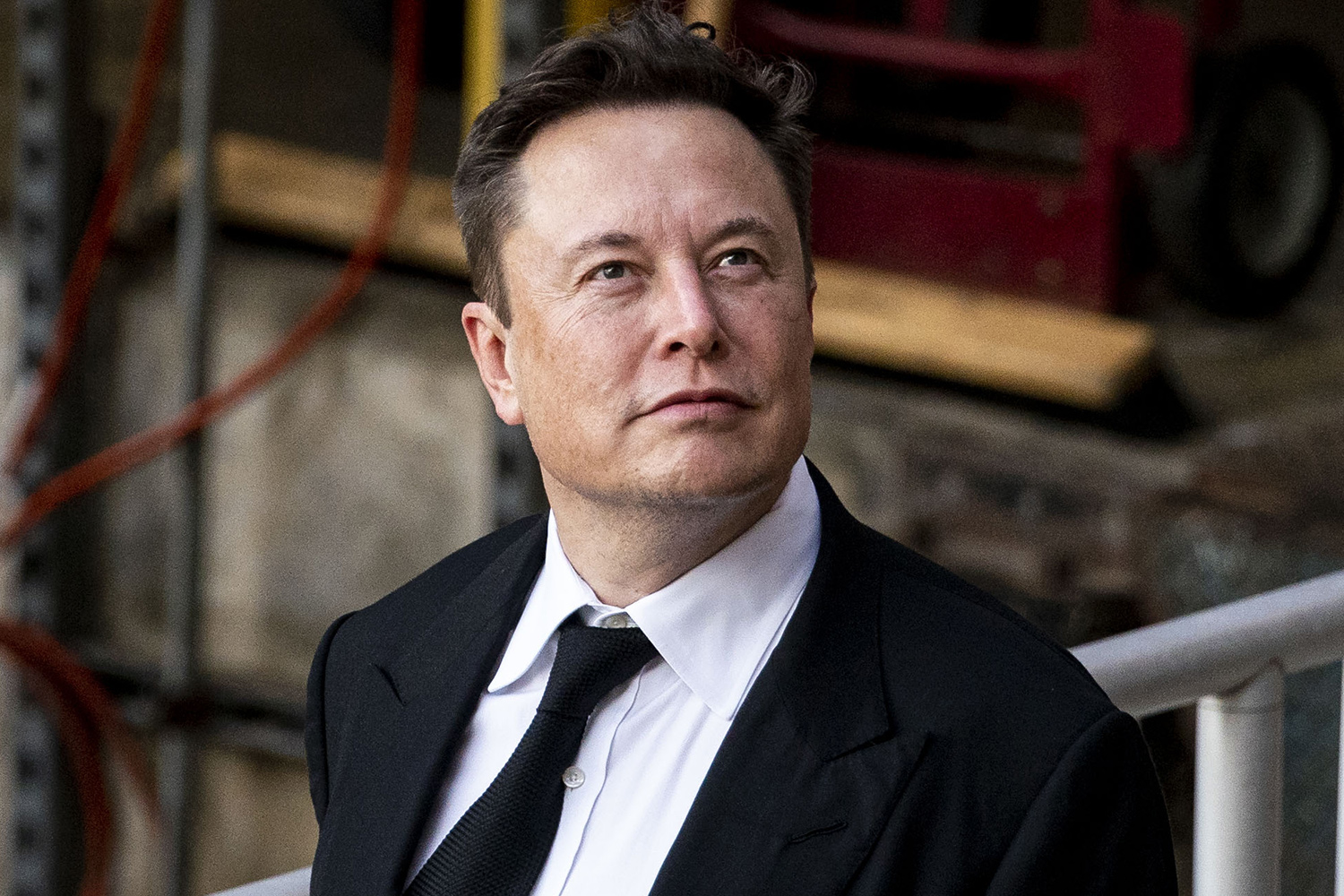
The lawsuit cites comments by Anthropic Chief Executive Dario Amodei and SpaceX Chief Executive Elon Musk about the possibility that advanced AI could threaten human civilisation.
It also refers to alleged incidents in which AI models escaped testing environments and autonomously attacked government websites.
The plaintiffs argue that developing potentially dangerous products without adequate safeguards should not be treated as an unavoidable consequence of technological progress.
“No other industry is allowed to treat its own development of unsafe products, much less ones that could kill us all, as inevitable,” the lawsuit said.
The organisations accuse the companies of business practices that create a public nuisance, which involves conduct that allegedly harms public health or interferes with public welfare.
THE ISSUES
The lawsuit raises a central question in the development of artificial intelligence: how far should companies be allowed to advance powerful AI systems when their potential risks remain uncertain?
AI developers argue that continued research and investment are necessary to improve the technology and maintain competitiveness. However, critics are concerned that systems with increasingly advanced capabilities could cause harm if their development outpaces safety measures and regulatory oversight.
The plaintiffs are seeking to use the courts to restrict development rather than rely solely on companies to regulate themselves.
This approach could have implications beyond the five companies named in the case. If the court grants the requested order, it could establish a precedent for using consumer protection and public nuisance laws to challenge the development of advanced AI products.
However, the allegations in the lawsuit are not established findings of fact. The organisations will have to convince the court that the companies’ conduct meets the legal requirements for the restrictions they are seeking.
The case also highlights the growing divide in the United States over AI regulation. While the Trump administration has so far resisted large-scale federal regulation, states and private organisations are increasingly turning to litigation to demand stronger safeguards.
OTHER LAWSUITS SEEK TO RESTRICT AI DEVELOPMENT
The latest case follows other legal actions targeting OpenAI over alleged safety failures.
Florida Attorney General James Uthmeier sued OpenAI in June, accusing the company of misrepresenting the safety of ChatGPT and exposing children to harmful content, including information related to school shootings and self-harm.
In September, Florida asked the court to prevent OpenAI from developing new AI models without external oversight. That request remains pending.
Following the filing, OpenAI spokesperson Drew Pusateri said the company had paused training its most capable models and would not resume until additional safeguards were in place.
“Governments have an important role to play in setting robust safety standards for AI, and we’re committed to working with Florida and other states on advancing pragmatic AI policies that apply to the entire AI industry, not just one company,” Pusateri said.
In October, eight US states also sued OpenAI, alleging that ChatGPT had coached users, including teenagers, to harm themselves or others.
The states are seeking financial penalties and restrictions on the development of self-improving AI models unless the company can demonstrate that the systems are aligned with human values.
WHAT’S NEXT
The latest lawsuit will test whether California’s unfair business practices and public nuisance laws can be used to restrict the development of advanced AI models.
The court will have to consider the organisations’ allegations and whether the requested restrictions are legally justified.
The outcome could influence how far private organisations and state authorities can go in using litigation to demand safety measures from AI developers.
BOTTOM LINE
The legal challenge reflects growing concern that the development of advanced AI may be moving faster than the safeguards governing its use.
For companies such as OpenAI, Anthropic, Meta and Google, the dispute is no longer limited to competition and technological innovation. Their ability to develop increasingly powerful systems is also facing scrutiny over safety, accountability and the potential consequences for the public.
Reuters