

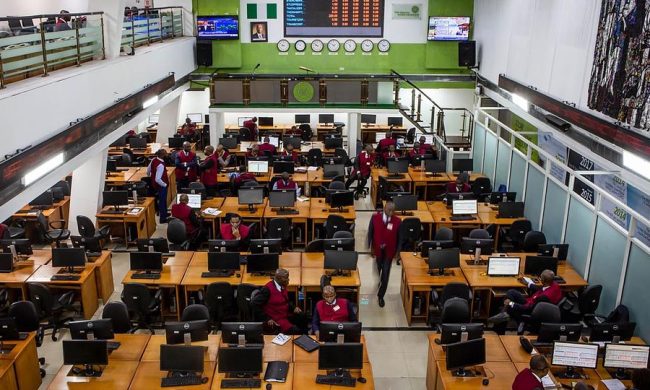








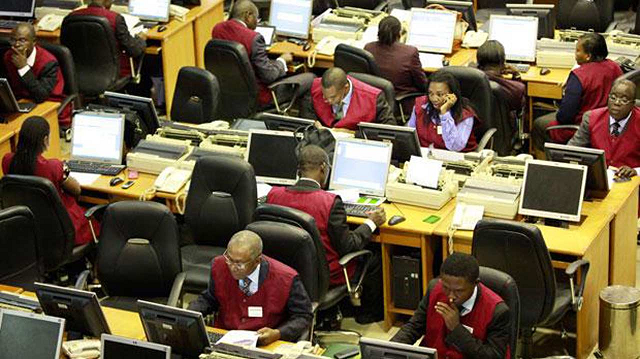
Nigeria’s Excess Crude Account (ECA) has grown by 13 per cent over a two-year period, while balances in the Stabilisation Account and the Development of Natural Resources Fund recorded even sharper increases, an analysis of presentations made by the Accountant-General of the Federation to the National Economic Council (NEC) has shown.
A review of briefings to the council from June 15, 2023, to October 23, 2025, indicates that the ECA rose from $473,754.57 at the inaugural NEC under President Bola Tinubu to $535,823.39, an increase of $62,068.82.
Over the same period, the Stabilisation Account surged from N26.63bn to N87.67bn, representing a 229 per cent jump, while the Development of Natural Resources Fund expanded from N96.90bn to N141.59bn — up 46 per cent.
Month-on-month variations show periods of volatility. The Stabilisation Account fell to N17.21bn in April 2024 before rebuilding through 2025, while the Natural Resources Fund declined to N26.85bn in November 2024 and then recovered steadily to N141.59bn by October 2025. The ECA remained largely flat for much of the period before edging higher in the second half of 2025.
Created in 2004 during the Obasanjo administration, the ECA is designed to warehouse oil earnings above the benchmark price for stabilisation and future investments. At the height of the 2008 oil boom under President Umaru Yar’Adua, it exceeded $20bn — but successive withdrawals and price collapses eroded the balance over the following decade.
The Stabilisation Account is used to cushion sub-national governments against shortfalls and fiscal shocks, while the Development of Natural Resources Fund supports diversification programmes — including solid minerals — approved by the Federation Accounts Allocation Committee and NEC.
The movements in the funds mirror policy decisions taken by the NEC during the period under review, including reforms in the oil sector, the reconstitution of committees on crude theft, the approval of the $617.7m i-DICE programme, sectoral reforms in the power market, and a nationwide crackdown on gold smuggling. The council also backed food security measures and approved efforts to strengthen training schools for security agencies.
States also leaned heavily on statutory transfers through a period of high inflation and foreign-exchange volatility, adding pressure on naira-denominated accounts despite reforms such as petrol subsidy removal and FX market unification intended to stabilise macroeconomic fundamentals.
The NEC, chaired by the Vice President and comprising the 36 state governors, the CBN Governor, and relevant ministers, has met at least 15 times since June 2023. Its most recent session was held on 23 October 2025.


 has grown by 13 per cent over a two-year period, while balances in the Stabilisation ...)