







The domestic aviation sector in Nigeria is under serious pressure. Local airlines are seeing their routes shrink and passenger numbers fall, driven largely by high costs and unfavourable policy frameworks. According to Charles Grant, Chief Financial Officer of Aero Contractors, the industry has lost about three million domestic passengers since 2022 despite rising travel demand.
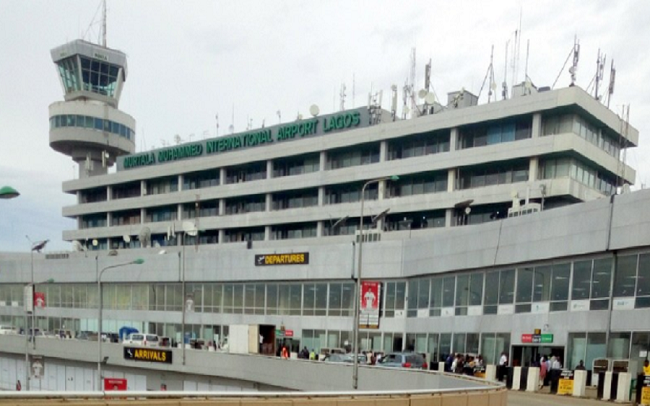
Grant made his comments at the recent Civil Aviation Cost Recovery and Revenue Optimisation Stakeholders’ Retreat in Lagos. He laid out a list of obstacles that local carriers face, including steep fiscal charges, dollar-based operating costs and regulatory bottlenecks.
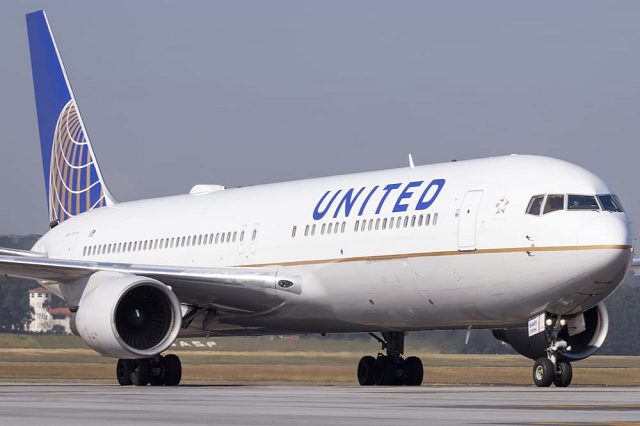
Although Nigerians continue to travel by air because cities are far apart and roads are unsafe, airlines say they are being priced out of domestic traffic. Grant pointed out that foreign carriers are increasingly leveraging Nigerian demand. Carriers such as ASKY Airlines and RwandAir use Nigeria as a hub for their regional network, capturing traffic that could have flown with local operators.
Grant said this trend is about more than just commercial preference. It reflects what he called “strategic leakage.” Jobs, aircraft maintenance contracts and foreign exchange inflows linked to aviation operations are flowing out of Nigeria even though the demand originates there.
He listed multiple charges that burden local carriers: ticket-sale levies, passenger service charge, value-added tax, over-flight fees, customs duties and ground-handling costs. These combine to erode slim airline margins and make it harder to maintain route networks.
Grant warned that unless fiscal and regulatory costs are addressed, the situation will worsen. Routes will remain underserved, aircraft utilisation will drop and domestic airlines will continue losing market share. He urged the government to consider measures such as reinstating VAT exemptions for aviation, enforcing customs waivers and simplifying charges across agencies.