









By Boluwatife Oshadiya | March 31, 2026
Key Points
- Nigeria targets 7% annual GDP growth to outpace population expansion
- Government estimates $14bn yearly infrastructure financing gap
- Partnership with Islamic Development Bank to drive investment and reforms
Main Story
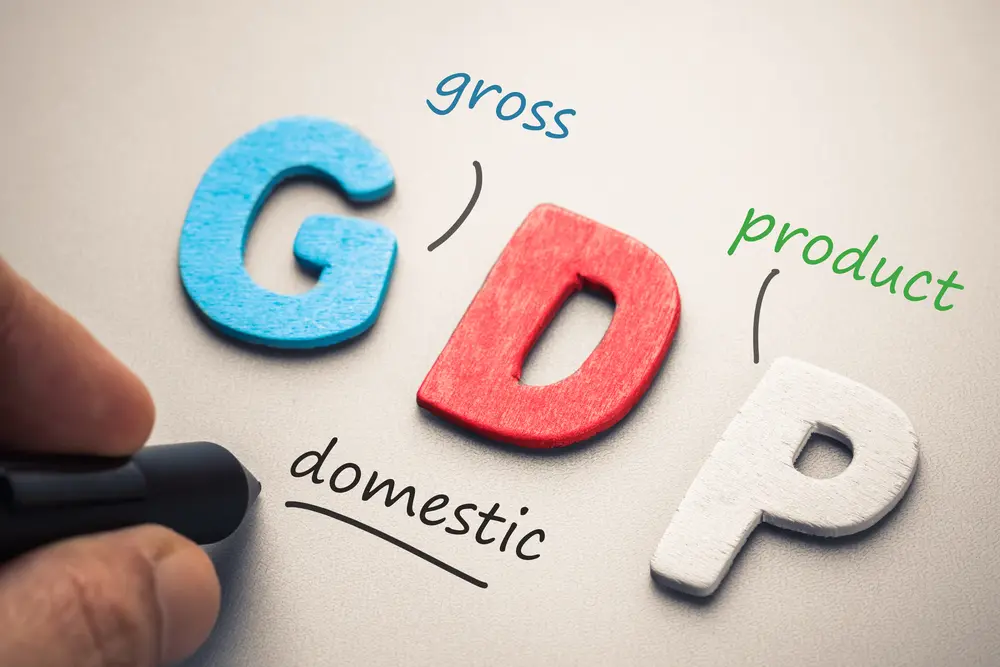
Nigeria is targeting a seven per cent annual Gross Domestic Product (GDP) growth rate as part of broader efforts to accelerate economic expansion and reduce poverty, Finance Minister Wale Edun said on Monday in Lagos.
Speaking at the Islamic Development Bank (IsDB) Group Day, Edun stated that achieving the growth target is essential to surpass Nigeria’s estimated three per cent population growth rate and improve living standards. He added that the country requires approximately $14 billion annually to close its infrastructure deficit, particularly across energy, transport, agriculture, and digital systems.
The minister said Nigeria is shifting from a stabilisation phase into a growth-driven economic model anchored on private capital mobilisation, diaspora investment inflows, and innovative financing structures. He noted that the government is prioritising macroeconomic stability to attract long-term investors.
Edun disclosed that the Nigeria–Islamic Development Bank engagement framework for 2026–2028 will focus on infrastructure, social investment, and regional economic integration. He also revealed plans to integrate up to 10 million Nigerians into productive economic activities through skills development, MSME financing, and job creation programmes.
The Issues (Optional)
Nigeria’s infrastructure deficit has remained a longstanding constraint on economic growth, with inadequate power supply, weak transport networks, and limited digital access affecting productivity. Despite multiple reform efforts, financing gaps persist due to fiscal constraints, high debt servicing costs, and limited private sector participation.
Additionally, achieving sustained GDP growth above population levels has historically been difficult, with structural bottlenecks—such as inflation volatility, FX instability, and policy inconsistency—undermining long-term economic planning.
What’s Being Said
“We are moving from stabilisation to growth, from reliance on public financing to private capital mobilisation,” said Wale Edun.
“The bank has expanded its interventions across key sectors and will scale up support to Nigeria beyond previous engagement levels,” said Anasse Aissami, Director-General of Country Programmes at the Islamic Development Bank.
What’s Next
- Implementation of the Nigeria–IsDB 2026–2028 partnership framework
- Expansion of Sukuk financing and domestic capital market instruments
- Rollout of social investment programmes targeting 10 million Nigerians
Bottom Line (Optional)
The Bottom Line: Nigeria’s growth ambitions hinge on its ability to crowd in private capital at scale. Without resolving structural financing and infrastructure constraints, the 7% GDP target risks remaining aspirational.





 growth rate as part of broader efforts to accelerate economic ...)