





The Nigerian government has revealed intentions to harness the nation’s mostly unregulated vehicle scrapping industry, anticipating yearly earnings exceeding N150 billion from 2026 onward, as components of extensive changes to update the domestic car sector.
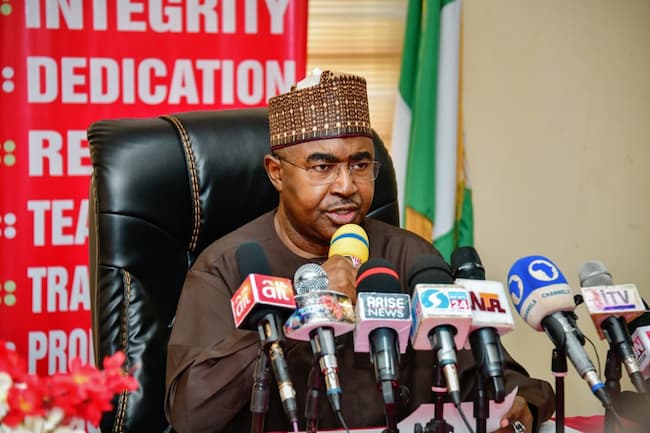
This was shared by the National Automotive Design and Development Council in a Sunday release, where Director-General Joseph Osanipin stated that the effort would be propelled by a thorough End-of-Life Vehicle scheme that has received green light for rollout.
Osanipin detailed that the approach would standardize the processing of automobiles that have outlived their operational span, converting what is now a hazard to the environment and safety into a substantial financial prospect.
“In advanced nations, purchasing a fresh car involves paying a fee during enrollment for its eventual scrapping at life’s end. At that point, accountability for proper handling falls to designated parties,” he explained.
He indicated that Nigeria’s system will adopt a comparable framework, imposing a small charge upon car registration to finance eco-friendly dismantling and reuse, recognizing that this could encounter initial pushback from the populace.
Osanipin highlighted that the country already features a vibrant unofficial market for pre-owned auto components, often called the Belgian spares trade, fueled by issues of longevity and reliability with brand-new items.
Council research, he mentioned, reveals that more than 85% of parts from retired vehicles can be repurposed or recycled, laying a solid base for an organized sustainable economy.
“Rather than leaving cars to decay on streets, individuals could submit them and gain value in return. If handled effectively, the associated reuse economy could generate billions in naira annually,” he remarked.
He further noted that aside from income creation, the scrapping network would produce numerous employment opportunities in areas like disassembly, restoration, transport, and parts redistribution.
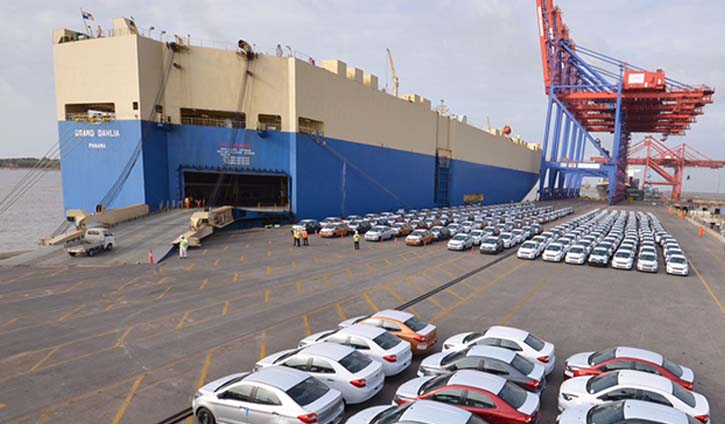
This reveal occurs amid a revival in Nigeria’s automobile import scene this year. Recent reports from The PUNCH indicated that imports of passenger cars reached approximately N1.01 trillion in the initial nine months of 2025, rising from about N894 billion during the equivalent timeframe last year, pointing to renewed interest as currency stability enhances and trader assurance rebounds.
Statistics from the National Bureau of Statistics demonstrated that the upturn accelerated in the year’s latter half, with the third quarter showing a notable surge in import figures that compensated for earlier sluggishness.
This recovery emphasizes the durability of Nigeria’s vehicle marketplace, particularly the used (“Tokunbo”) category, yet it also spotlights continuing issues like elevated import expenses, forex risks, and reliance on foreign supplies.
Within these updates, the NADDC will enforce required pre-shipment verification for all second-hand cars entering Nigeria beginning 2026, intending to prevent the influx of corroded and obsolete vehicles.
Osanipin stated that Nigeria stands among the limited African nations lacking this mandate, rendering it an attractive spot for shippers disposing of unfit automobiles.
He described an encounter with an overseas supplier who confessed to dispatching eight containers of retired vehicles to Nigeria for maximal returns.
“We aim to make sure importers are accountable, ensuring buyers are aware of their purchases,” he asserted, noting that verification costs would fall on exporters, sparing Nigerian buyers.
In a complementary effort to prepare the industry for the future, Osanipin announced initiatives to transition gasoline and diesel cars to electric and compressed natural gas options, aligning with the National Automotive Industry Development Plan.
He mentioned that the council has launched broad educational sessions on EV advancements, car modifications, and substitute energy setups for overseers and sector participants.
“Building skills is a core element of the NAIDP. We have conducted sessions on shifting from petrol and diesel to CNG, plus electric vehicles,” he shared.
He revealed that the council has established National Occupational Standards for EV upkeep and CNG adaptations, with formal accreditation courses slated for 2026.
Osanipin highlighted advancements by Nigerian technicians and learners in domestic vehicle creation, referencing endeavors with tricycles, coaches, and electric shuttles for campuses, developed alongside 12 academic institutions and business collaborators.
“We seek to align academic curricula with sector demands. Even cultivating a handful of top-tier auto specialists domestically would boost the economy significantly,” he commented.
He underscored that parts production is the true wealth generator in automobiles, observing that Nigeria’s yearly outlay on tires, brakes, filters, and batteries surpasses vehicle import costs.
The council is collaborating with interested parties to tackle facilities, funding, and regulatory obstacles for parts producers, particularly as Nigeria aims to leverage the African Continental Free Trade Area.
Osanipin also disclosed ambitions to elevate the NAIDP from a guideline to legislative status, stating that an Automotive Industry Bill draft will shortly go to the National Assembly.
“Auto sector investments are massive. They require statutory backing,” he affirmed.
Recognizing potential opposition to certain changes, Osanipin requested media assistance in conveying the policies to citizens.
“During resistance phases, your role in clarifying our objectives and rationale to Nigerians is crucial,” he urged, labeling 2026 as a critical period for reshaping Nigeria’s car industry.