







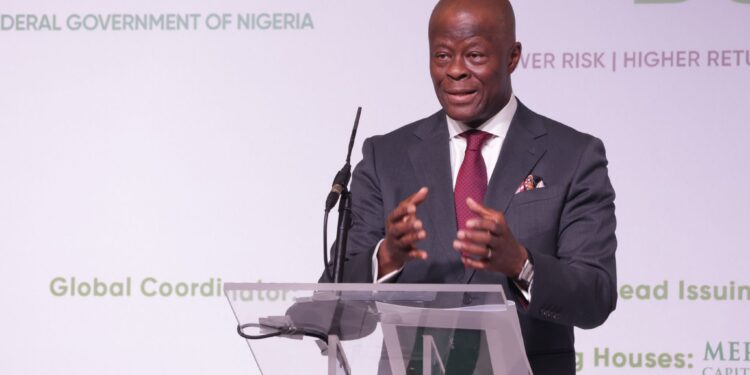
Nigeria has significantly reduced its debt servicing burden, now spending less than 50 per cent of its revenue on debt obligations, down from a staggering 97 per cent before recent fiscal reforms. This was disclosed by the Chairman of the Presidential Fiscal Policy and Tax Reforms Committee (FPTRC), Mr. Taiwo Oyedele, during the PwC Executive Summit on Tax Reform in Lagos on Monday.
Delivering a keynote address at the event themed “The New Tax Era: What Nigeria’s Tax Reform Means to Individuals and Businesses”, Oyedele credited ongoing reforms for improving fiscal stability, boosting external reserves, and enhancing the country’s infrastructure spending.
“We’ve cleared over $7 billion in unmet forex forwards, grown external reserves from under $4 billion to over $20 billion, and reduced budget deficits. Our tax-to-GDP ratio has risen from below 10 per cent to 13.5 per cent within two years,” Oyedele said.
He stressed that without the reforms, Nigeria’s economy was heading down a dangerous path similar to Zimbabwe and Venezuela, where hyperinflation and economic collapse left currencies virtually worthless.
“I carry with me a 100 trillion Zimbabwean dollar note. At the time, it could barely buy a loaf of bread. That could have been Nigeria’s story if we didn’t act,” he warned.
Missed Opportunities and the Cost of Delay
According to Oyedele, had these reforms been implemented a decade ago, Nigeria’s economy could have reached a $1 trillion valuation, with a more stable exchange rate and significantly lower petrol prices.
“If we had acted ten years ago, PMS would cost under ₦300 per litre, and the naira would exchange at under ₦300 to the dollar,” he asserted.
He noted that Nigeria lost valuable economic ground compared to peers like Kenya and South Africa, with the naira depreciating six times more than their respective currencies in the past decade.
Subsidy Regime and Fiscal Recklessness
Oyedele criticised past administrations for printing over ₦30 trillion to fund a bloated subsidy regime, which failed to deliver basic infrastructure.
“We were not building roads or improving electricity. We were paying salaries and subsidising PMS at all costs—even diverting taxes collected by NNPC and other operators. Yet, it wasn’t enough,” he said.
He added that without removing subsidies, Nigerians would have struggled to access fuel even with ₦100,000 in hand due to fiscal unsustainability.
Tax Reforms Targeting Equity and Simplicity
Oyedele also announced significant progress in tax reforms aimed at creating a fairer, more transparent system. He revealed that the bottom 97 per cent of informal sector operators—those with limited capacity to pay—have now been legally exempted from taxation.
“Let them breathe. When they grow, they’ll pay. But for now, it’s only the top 3 per cent of the informal sector who can contribute meaningfully,” he said, adding that mechanisms are in place to detect under-declaration and tax evasion.
He further disclosed that all major taxes have now become progressive, ensuring those with greater income contribute more, and that the gazette of the newly signed tax laws is being finalised for public release.
President Bola Tinubu had earlier signed four tax-related bills into law on June 26, 2025, with implementation scheduled for January 1, 2026.
Business Community Urged to Partner on Reforms
Speaking at the summit, PwC West Market Area Regional Senior Partner, Sam Abu, emphasised that real change requires collective action and not just government policy.
“Policy alone won’t deliver results. Everyone—government, business leaders, and private sector actors—must collaborate to shape the future we want,” he said.
He affirmed PwC’s commitment to simplifying tax and helping businesses navigate reforms efficiently, so leaders can focus on growth and innovation.
Meanwhile, PwC Partner and Tax Leader, Chijioke Uwaegbute, explained that under the new law, foreign entities with effective control or management in Nigeria will be fully taxed in the country.
“Also, indirect transfers of foreign shares resulting in changes in Nigerian company ownership will now be considered taxable events,” he added, aligning Nigeria’s tax practices with global standards to reduce avoidance and enhance revenue.
Key Highlights of the New Tax Law
Income Tax Exemption: Employees earning below ₦800,000 annually are exempt from personal income tax.
Tax Harmonisation: Federal taxes are now harmonised, with the FIRS designated as the sole collector.
Progressive Tax System: New structure ensures higher earners pay more.
Global Tax Compliance: Foreign entities effectively managed from Nigeria are now subject to Nigerian tax laws.
Indirect Share Transfer Taxation: Foreign sales that alter Nigerian company ownership are now taxable.
The reforms, according to Oyedele and other stakeholders, signal a new era of fiscal responsibility and economic potential—if sustained through transparency, accountability, and inclusive participation.