







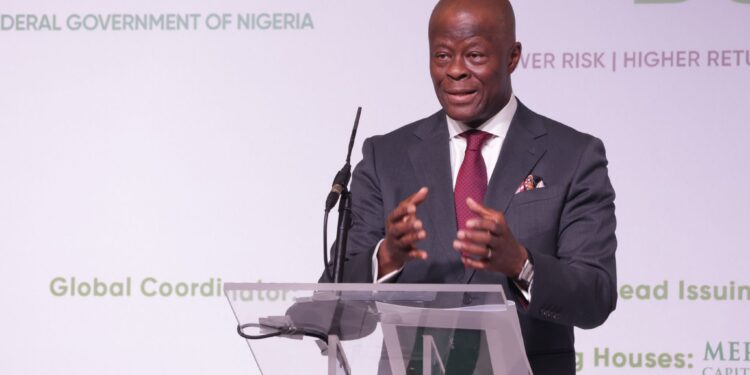
Nigeria must reduce its dependence on oil revenue and invest in other sectors to achieve long-term economic growth, says the Minister of Finance, Wale Edun.
Speaking at the National Treasury Workshop in Abuja, Edun emphasized the need for Nigeria to explore non-oil revenue sources, especially as oil prices fluctuate and global energy policies change. He was represented at the event by Lydia Shehu, a Permanent Secretary at the Federal Ministry of Finance.
According to Edun, Nigeria’s heavy reliance on oil revenue is risky because oil prices are unpredictable. To build a stable economy, the country must invest in other sectors such as:
- Agriculture and agro-processing
- Solid minerals and mining
- Manufacturing and industrialization
- Tourism and hospitality
- Digital economy and ICT
- Tax reforms and improved revenue collection
He explained that while Nigeria is rich in natural and human resources, these assets have not been fully utilized. The challenge now is how to harness these opportunities to drive economic transformation.
Challenges Facing Non-Oil Sectors:
Despite the potential, several issues hinder the growth of these industries, including:
- Poor infrastructure and high costs of doing business
- Bureaucratic delays and regulatory inefficiencies
- Insecurity, which discourages investment
- Low tax compliance and revenue leakages
Government Efforts to Boost the Economy:
Edun assured that the government is implementing reforms to address these challenges. Some of the measures being taken include:
- Improving public financial management
- Digitalizing revenue collection to reduce corruption
- Strengthening tax administration to increase compliance
He urged stakeholders in Nigeria’s financial and economic sectors to work together to develop practical solutions that will drive sustainable growth and reduce the country’s dependence on oil.