







KEY POINTS
- The India Trade Expo 2026 in Lagos showcased deeper economic collaboration between India and Nigeria.
- Nigerian business leaders emphasised mutual engagement and long-term investment opportunities.
- Stakeholders highlighted priority sectors for sustainable trade and investment, including manufacturing, digital economy, healthcare, and green energy.
MAIN STORY
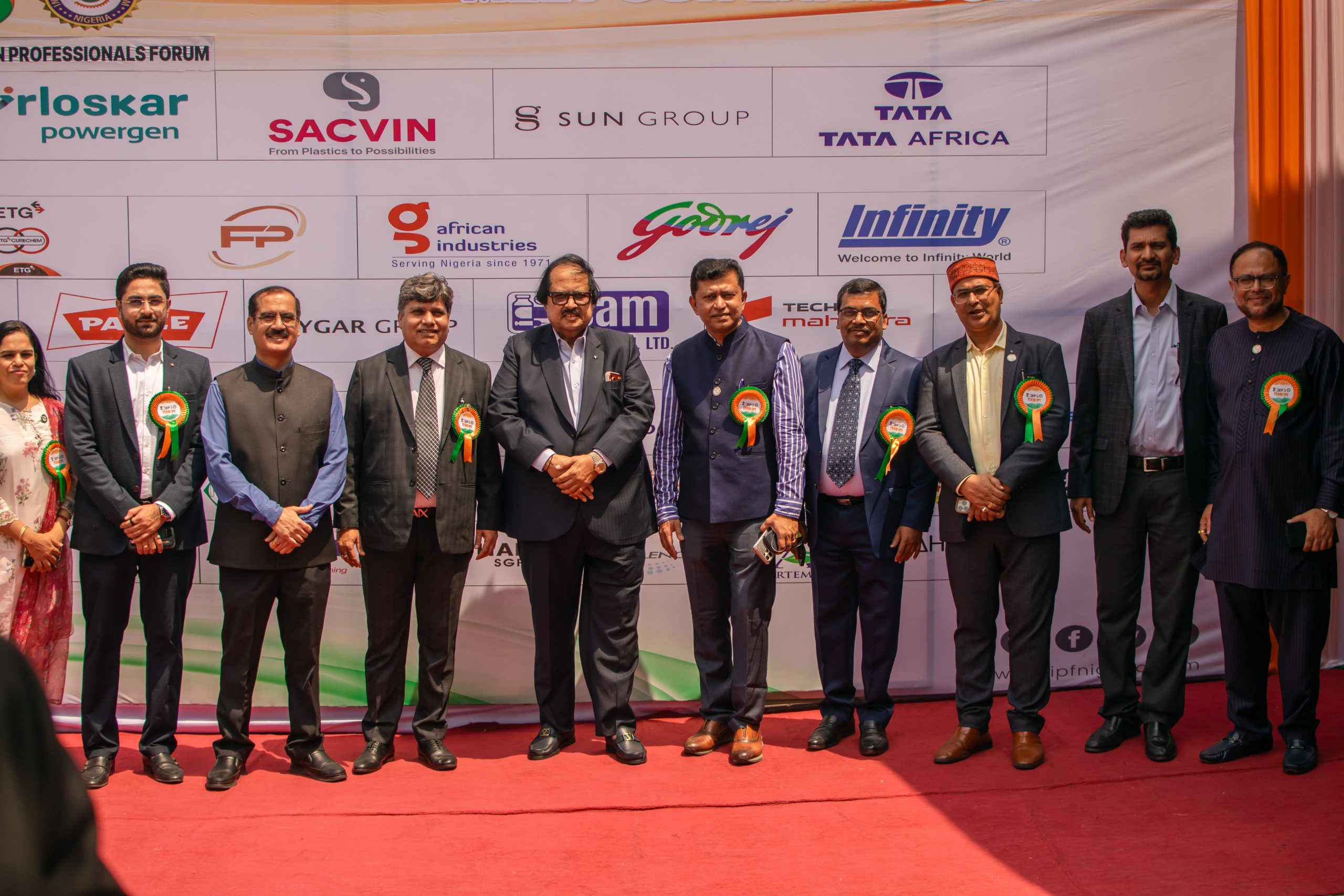
Nigeria and India’s trade and investment ties took centre stage at the second edition of the India Trade Expo 2026, held at the Landmark Event Centre in Lagos. Diplomats, business leaders, and policymakers called for stronger partnerships to unlock opportunities for enterprises and communities in both countries.
Organised by the Indian High Commission in Abuja in collaboration with the Indian Professionals Forum (IPF), the expo brought together over 200 Indian companies active in Nigeria, spanning pharmaceuticals, manufacturing, hospitality, retail, construction, and technology.
Welcoming participants, IPF President Mahesh Birla described the expo as more than a business fair, but a celebration of partnership, enterprise, and the growing economic bridge between India and Nigeria.
Nigeria: The Gateway Market for West Africa
Highlighting Nigeria’s strategic position, Mr. Ashish Khemka, Director of Finance and Operations at Lagos Free Zone, noted that the country is poised to become West Africa’s regional manufacturing hub.
Projected Economic Growth: Nigeria is expected to surpass South Africa as Africa’s leading contributor to global economic growth.
ECOWAS Contribution: Nigeria accounts for approximately 70% of the Economic Community of West African States (ECOWAS) GDP.
Consumer Market Size: With roughly 230 million people, Nigeria represents Africa’s largest consumer market.
Infrastructure Advantage: Key infrastructure, including the Lekki Deep Sea Port and free zones, enhances trade and investment opportunities.
Regional Manufacturing Hub: Nigeria facilitates efficient distribution across West Africa, creating opportunities for both local and international investors.
On the possible areas of new investments opportunities, Ashish pointed to several established and emerging sectors that both Nigerian and Indian businesses could explore, this includes;
Manufacturing and Industrial Parks: Investment in industrial infrastructure to support regional production and distribution.
Logistics and Port-Free Zone Integration: Streamlining trade through connected transport, logistics, and port operations.
Pharmaceutical and Healthcare: Expanding access to medicines, medical equipment, and healthcare services.
Digital Economy and Fintech: Collaboration in financial technology, e-commerce, and digital services.
Energy Transition and Green Energy: Investment in renewable energy, energy efficiency, and climate-smart technologies.
THE ISSUES
Despite growing trade volumes, analysts note that economic engagement between the two countries remains largely unidirectional, with significant foreign direct investment (FDI) flowing from India to Nigeria, while Nigerian businesses maintain minimal presence in India.
Experts emphasised the importance of balancing this relationship through knowledge transfer, technology collaboration, and greater Nigerian participation in emerging sectors such as fintech, innovation, and manufacturing.
WHAT’S BEING SAID
Tope Fasua, Special Adviser to the President on Economic Affairs, described India as a “big brother” in economic experience from which Nigeria can learn.
“Indian companies have taken a long-term view in Nigeria. Many have remained here for decades, employing Nigerians, transferring technology, and contributing to economic growth. The future could see Nigerian firms expanding into India, especially in technology and fintech.”
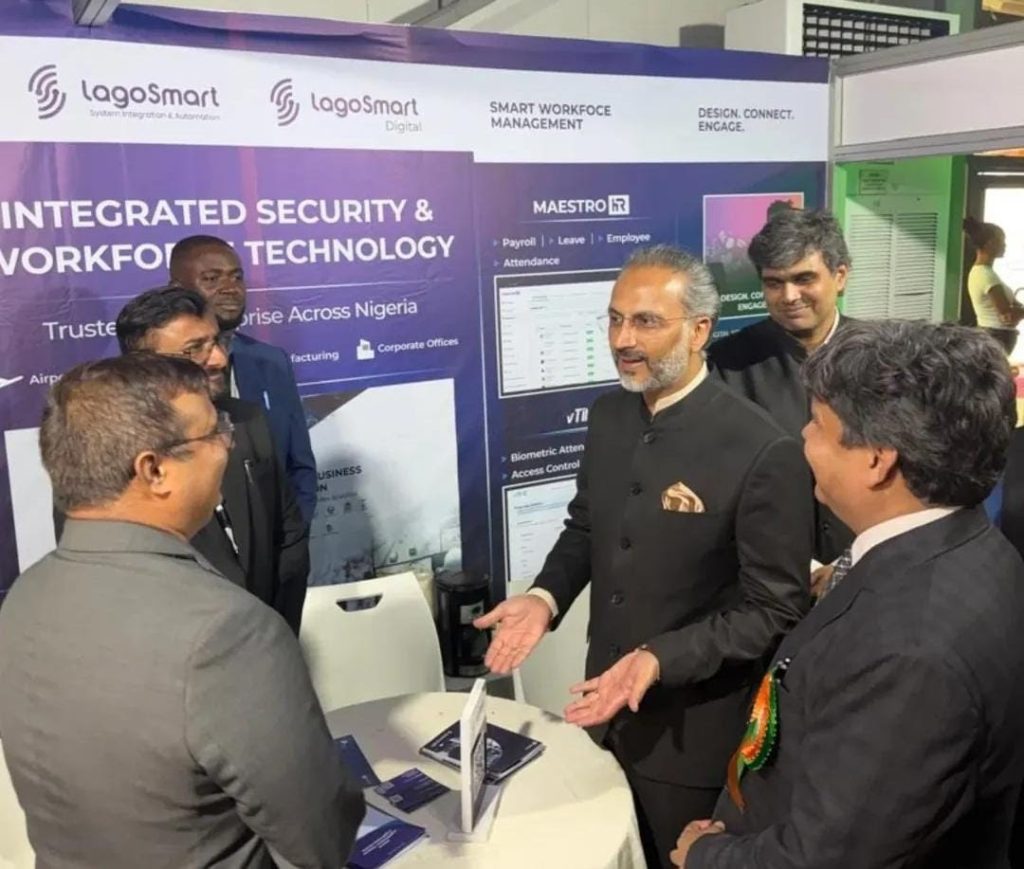
Adding to the discussion, Mr. Sola Obadimu, Director-General of the Nigerian Association of Chambers of Commerce, Industry, Mines and Agriculture (NACCIMA), stressed the importance of giving Nigerian businesses a stronger voice:
“It’s our job to promote trade and industry nationally through our network of chambers representing businesses across Nigeria. Partnerships with Indian business leaders contribute significantly to our economic development.”
Obadimu further called for expanded collaboration that includes Nigerian firms more prominently on global platforms.
“We encourage mutual engagement between Nigerian and Indian businesses, so that participants can showcase their innovations and grow the economies of both countries.”
India’s High Commissioner to Nigeria, Abhishek Singh, noted that the first edition in 2025 drew over 3,000 participants and emphasized the continued commitment of Indian firms in Nigeria:
“This year’s expo builds on that momentum to explore new initiatives and strengthen the bilateral trade relationship between our nations.”
WHAT’S NEXT
Organisers revealed plans for a larger India Trade Expo in 2027, expected to attract more international participants and deepen economic collaboration. Discussions are ongoing to expand Nigerian firms’ access to the Indian market, particularly in fintech, manufacturing, and green energy sectors.
Business associations like NACCIMA will continue advocating for policies that make Nigeria an attractive destination for bilateral trade and investment while supporting local firms to capitalise on global opportunities.
BOTTOM LINE
The 2026 India Trade Expo reinforced the growing economic bridge between Nigeria and India. By spotlighting shared business interests, fostering long-term partnerships, and highlighting investment opportunities in manufacturing, healthcare, digital economy, and green energy, the event positions both countries for sustainable economic growth and mutual prosperity.