





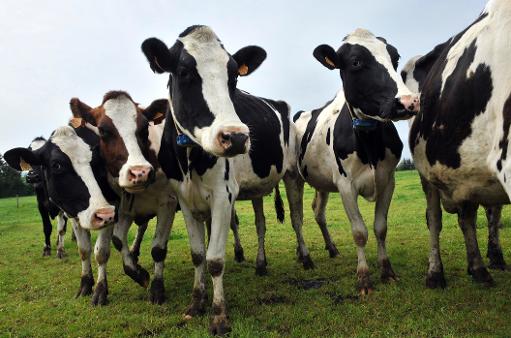
The Federal Government has unveiled an ambitious plan to raise Nigeria’s livestock sector contribution to the national economy from $32 billion to $74 billion by 2035 under the newly launched National Livestock Growth Acceleration Strategy (NL-GAS 2025–2035).
Minister of Livestock Development, Dr. Idi Maiha, disclosed this during a Donor and Partnership Workshop held in Abuja, themed “Strengthening Strategic Partnership for Livestock Transformation.” The workshop brought together development partners, donors, and government agencies to galvanize support for implementing the new roadmap.
According to Maiha, the NL-GAS is a market-driven, private sector-led, and government-enabled blueprint designed to modernize Nigeria’s livestock industry and unlock its full economic potential.
“It is not just an aspiration—it is achievable,” he said. “With the right political will, strong private sector involvement, and donor partnership, Nigeria’s livestock industry can become a major driver of inclusive growth and food security.”
Maiha highlighted that the establishment of the Federal Ministry of Livestock Development in 2024 by President Bola Tinubu was a strategic move to position the sector as a pillar of food and nutrition security, climate resilience, and national economic diversification.
He noted that the initiative is aligned with Nigeria’s target of achieving a $1 trillion economy by 2030, emphasizing that the livestock sector alone is projected to contribute at least $74 billion to the GDP by 2035.
The minister added that the NL-GAS rests on ten strategic pillars aimed at addressing key industry challenges — including livestock value chain enhancement, animal health management, feed and fodder production, water resource optimization, peacebuilding, infrastructure development, and the empowerment of women and youth.
“Women and youth are the backbone of this transformation,” Maiha stressed. “Our goal is to double the national herd, boost productivity, and make Nigeria a global supplier of high-quality animal protein.”
Development partners reaffirmed their support for the initiative. Temitayo Omole, Programme Manager at the EU Delegation to Nigeria and ECOWAS, described livestock as a strategic area of interest for the EU, particularly in feed production, breeding, and animal health.
“We are already working with Nigerian ministries and agencies to address critical diseases such as Newcastle disease in poultry and PPR in ruminants through vaccine production,” Omole said.
Similarly, Dr. Hussein Gadain, the FAO Country Representative, said the UN agency has been working closely with the government and rural communities to promote sustainable livestock practices, disease eradication, and improved nutrition outcomes.
“Livestock is central to rural livelihoods and food systems,” he explained. “By strengthening this sector, we are helping millions of Nigerians access protein sources while improving national food security.”