









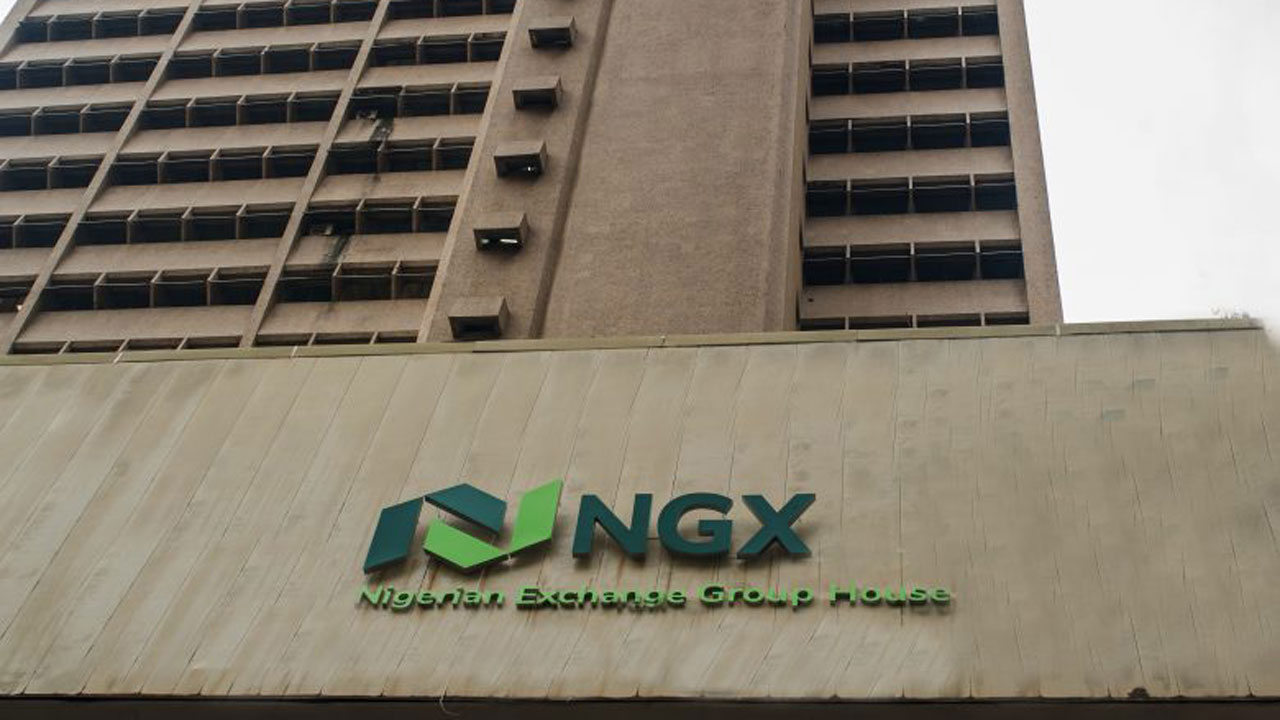
The Nigerian Exchange Group (NGX Group) has reaffirmed its role as a key driver of market stability and development by hosting a high-level stakeholder dialogue on the implications of the Capital Gains Tax (CGT) provisions under the Tax Reform Act 2024, which comes into effect in January 2026.
The virtual engagement brought together issuers, investors, intermediaries, and regulators in a bid to deepen understanding of the new tax regime, provide clarity on its provisions, and ensure Nigeria’s capital market remains competitive.
Temi Popoola, Group Managing Director/Chief Executive Officer of NGX Group, stressed the importance of building investor confidence amid fiscal reforms.
“Reforms of this scale raise important questions for issuers and investors alike. Our priority is to ensure the capital market remains attractive and forward-looking. By creating forums like this, we provide clarity, enable dialogue, and help the market adapt to fiscal changes in ways that support long-term growth,” Popoola said.
A central focus of the discussion was the introduction of a 30 per cent CGT on gains from the disposal of shares, in line with Nigeria’s corporate income tax. Stakeholders expressed concerns over maintaining competitiveness against other African markets. Issues around base cost determination — with calls for prospective calculation from the Act’s commencement — and the treatment of cross-listed securities were also raised as areas requiring clear guidance to prevent double taxation and compliance hurdles.
Taiwo Oyedele, Chairman of the Presidential Committee on Fiscal Policy and Tax Reforms, clarified that the reform is structured to shield retail investors. He explained that the N150 million annual exemption threshold would exclude 99.9 per cent of individual investors from CGT liability.
He added that while the standard rate stands at 30 per cent, a reduced 25 per cent rate will apply if proceeds from share disposals are reinvested in fixed income or other non-equity assets. Investments channelled back into Nigerian companies — listed or unlisted — would remain exempt, a measure he described as critical to driving growth, job creation, and long-term market sustainability.
Alhaji Umaru Kwairanga, Chairman of NGX Group, emphasised the Exchange’s role as a bridge between policymakers and the market.
“At NGX Group, we believe significant policy shifts must be clearly understood and calibrated to preserve market confidence. Our role is to facilitate this dialogue to ensure reforms translate into sustainable, long-term economic growth,” he said.
Participants lauded the forum as both timely and constructive, with NGX Group once again demonstrating leadership in fostering solutions-oriented dialogue. By steering this engagement, the Exchange has reinforced its position as a trusted partner in aligning fiscal reforms with Nigeria’s broader economic objectives.










 has reaffirmed its role as a key driver of market stability and development ...)