










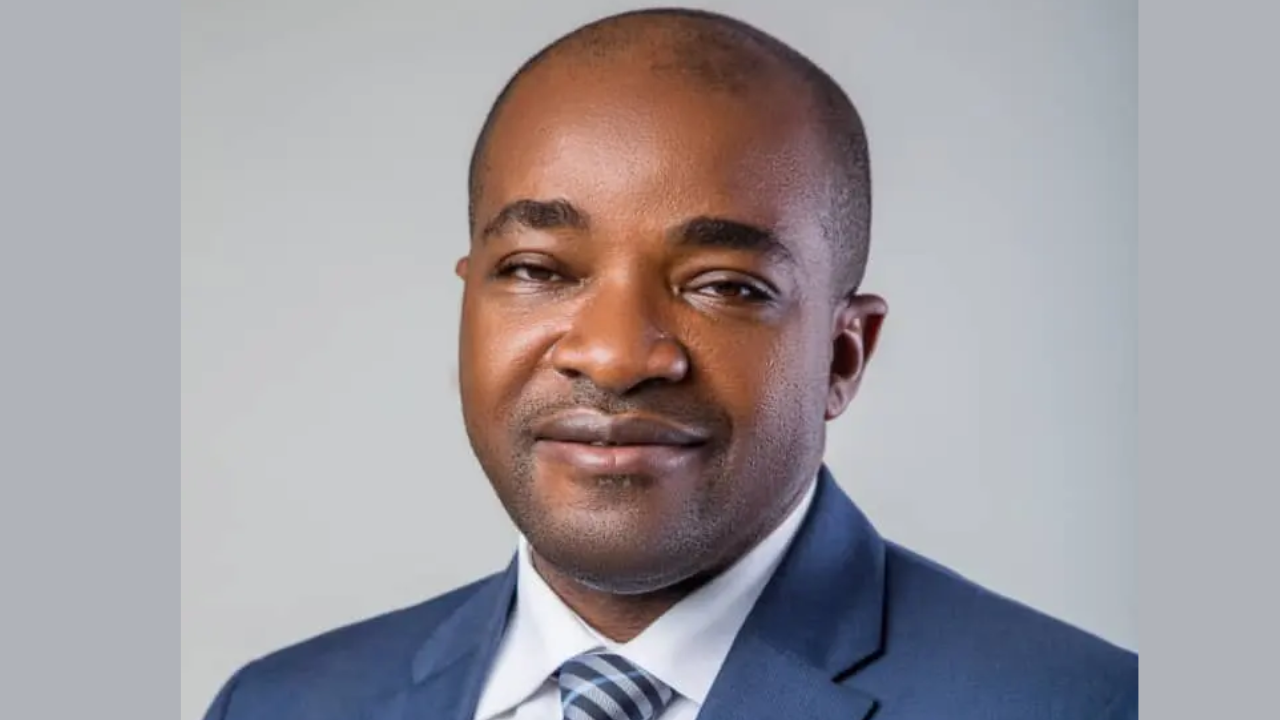
The Chairman of the Nigerian Economic Summit Group (NESG), Niyi Yusuf, has called on stakeholders in the financial sector to take a proactive role in shaping a responsible, inclusive future for artificial intelligence (AI).
Speaking at the 2025 Stakeholders Conference of the Association of Corporate Affairs Managers of Banks (ACAMB), Yusuf emphasised that the financial industry is uniquely positioned to lead the responsible adoption of AI technologies. Themed “AI & the Future of Trust: Reimagining Banking and Financial Services in a Digital-First Era,” the event brought together leaders from across the banking sector to explore the intersection of trust, technology, and financial innovation.
Yusuf, who also serves as Managing Partner at Verraki Partners, highlighted AI’s transformative potential but cautioned that its benefits can only be fully realised through ethical governance, human-centric design, strong regulatory frameworks, and a focus on homegrown innovation.
Established in 1996, ACAMB is the umbrella body for communications and public relations professionals in Nigeria’s banking sector.
In his keynote address, Yusuf underscored the transformative potential of artificial intelligence and stressed the urgent need for ethical governance, human-centric design, regulatory support, and local innovation. He highlighted that, like all powerful technologies before it, AI requires deliberate action to harness its benefits while minimizing its risks.
“We must be intentional,” he said, “to ensure we maximise the benefits of AI and effectively mitigate its risks.”
Yusuf urged stakeholders in the financial sector to take the lead in shaping trustworthy and inclusive AI systems. He called for the definition of trust frameworks and AI guardianship that enable consent-driven, inclusive technologies. He emphasized the need to foster ethical AI development grounded in human-centric principles, alongside efforts to build public awareness, digital literacy, and talent to support a diverse and equitable AI ecosystem.
He further advocated for AI systems that prioritize transparency, explainability, and accountability—supported by strong regulatory frameworks, data privacy protections, and consumer rights.
Yusuf also highlighted the critical role of local regulators in encouraging innovation, promoting the use of local datasets, and strengthening consumer protection. He called for enhanced international collaboration to reduce development costs and support AI startups, entrepreneurs, and the broader ecosystem—ensuring that setbacks are not catastrophic and that local communities are not merely consumers, but active participants in shaping the future of AI.
The Verraki Partners boss hammered on the fact that trust has become a new currency in this era, saying, “The future of AI in banking is not just about automation or efficiency; it’s about trust: earning and maintaining customer confidence in a digital-first world.”
He spotlighted some of the key areas of concern, including data integrity, noting that AI models are only as trustworthy as the data they ingest and others.
He averred, “Data Poisoning: Malicious inputs subtly corrupt models and can lead to harmful outcomes, especially in sensitive areas like lending or fraud detection. Transparency: Customers and regulators demand clarity and transparency about the actions taken by AI systems. Explainability and accountability: AI systems must be able to explain their decisions, especially in sensitive areas like credit scoring or compliance.”
In his welcome address, the President of ACAMB, Rasheed Bolarinwa, said the industry was on the threshold of a transformative era, “one driven by artificial intelligence, digital technologies, and a redefinition of customer expectations in banking and financial services. Our mission at ACAMB has always been to foster excellence in corporate communications and stakeholder engagement across the banking industry. This conference embodies that purpose by convening thought leaders, innovators, regulators, and practitioners to shape the future of our industry responsibly and sustainably.










, Niyi Yusuf, has called on stakeholders in the financial sector to take..........)