

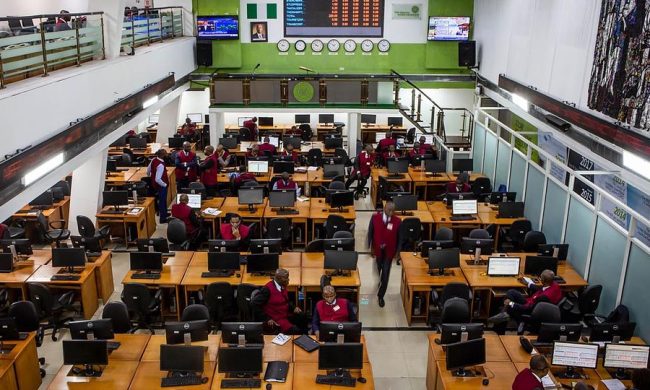






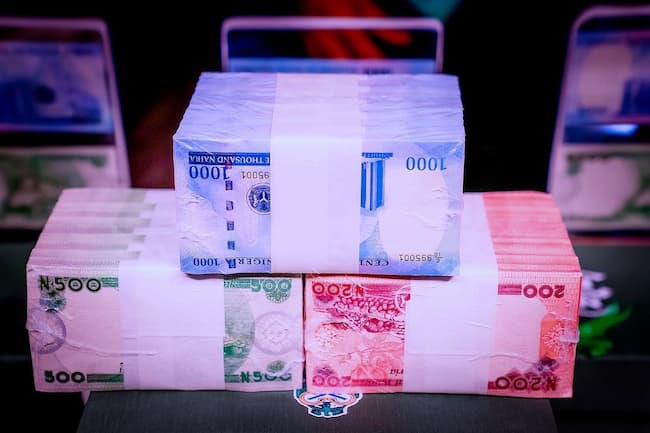
The Nigerian naira experienced renewed pressure on Tuesday, slipping to N1529.22 per US dollar in the official market, as rising foreign exchange (FX) demand outweighed supply. The Central Bank of Nigeria (CBN) reported the new rate, reflecting a slight depreciation from N1528.33 the previous trading day.
Analysts attribute the weakening of the naira to the recent reactivation of naira-denominated debit cards for international transactions—a development expected to drive up demand for dollars. Market observers predict that this could lead to increased FX outflows as consumers and businesses alike resume cross-border spending.
On the flip side, some financial experts believe the return of naira debit cards for global payments may reduce black market reliance and cut into premium charges typically imposed by parallel market dealers.
Nigerian banks recently resumed processing international payments via naira cards, more than three years after halting the service due to severe FX scarcity. The move has been seen as a positive signal for dollar liquidity, although Nigeria’s external reserves remain flat at approximately $37 billion.
Currently, several banks have revised international transaction limits on naira cards to $500 monthly, up from the previous $100 cap before the suspension. Anchoria Investment & Securities, in its midyear economic outlook, projected that the naira’s fair value could settle at around N1700/$ by year-end 2025, citing the currency’s exposure to global market shocks.
Despite the vulnerabilities, Anchoria noted that efforts by the CBN—such as broader FX market reforms and enhanced rate transparency—have stabilized the naira’s performance in H1 2025. Combined with improved foreign reserve buffers, these reforms helped prevent the currency from breaching the N1700/$ mark prematurely.
The naira also found some relief from increased inflows into the retail FX segment, aided by the CBN’s decision to grant Bureau de Change (BDC) operators access to official FX windows. As a result, the spread between the official and parallel market narrowed significantly, averaging just 2.6% year-to-date.
With global oil prices trending higher and Middle East tensions elevating global risk perception, analysts expect the naira’s position to strengthen marginally. Cowry Asset Management, in a market note, stated that investor confidence in the local currency is gradually being restored due to more market-oriented policies and improved reserve outlooks.