







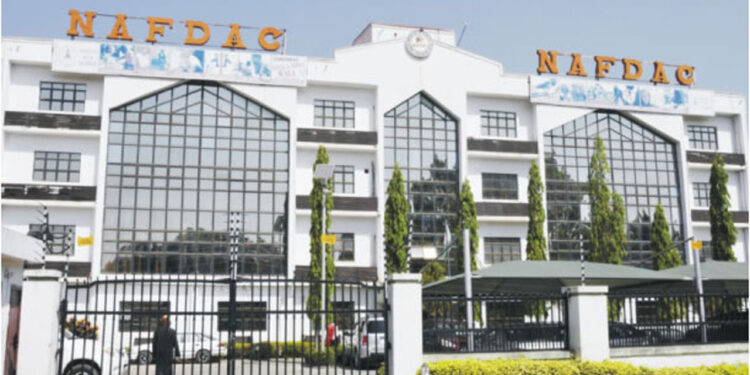
The National Agency for Food and Drug Administration and Control (NAFDAC) has announced a definitive ban on the production, sale, and distribution of alcoholic beverages packaged in sachets and bottles smaller than 200 millilitres, effective December 2025.
The agency’s Director General, Professor Mojisola Adeyeye, announced during a press conference in Abuja, describing the move as a decisive step to curb the public health risks associated with the widespread consumption of cheap, high-alcohol-content beverages.
“The proliferation of alcoholic drinks in sachets and small bottles has made them easily accessible, affordable, and concealable — leading to rampant misuse, especially among minors and commercial drivers,” Adeyeye said.
She noted that the abuse of these products has been linked to a surge in domestic violence, road accidents, school dropouts, and other social vices, warning that the trend poses a serious threat to national health and safety.
The ban follows a long-standing campaign by health authorities to control the sale of low-cost, high-strength alcohol in Nigeria. In 2018, NAFDAC, the Federal Ministry of Health, the Federal Competition and Consumer Protection Commission (FCCPC), and key industry bodies — including the Association of Food, Beverage and Tobacco Employers (AFBTE) and the Distillers and Blenders Association of Nigeria (DIBAN) — signed a five-year Memorandum of Understanding (MoU) to phase out such products.
The agreement was prompted by growing evidence that sachet and mini-bottle alcohol products were being consumed by children, teenagers, and drivers, exposing them to health and social risks.
While the initial ban was scheduled for 2023, manufacturers sought extensions to allow time for production adjustments and inventory clearance. The Federal Government consequently approved a one-year moratorium in 2024, extending the implementation deadline to December 2025.
Senate Resolution and Enforcement
Professor Adeyeye explained that the new directive aligns with a Senate resolution expressing concern over the availability of cheap alcohol, particularly its impact on youth and vulnerable groups.
“The Senate’s position is clear — no further extensions will be granted, manufacturers and retailers must ensure full compliance before the December 2025 deadline.” She said.
She emphasised that the measure is not punitive but geared towards protecting public health, adding that enforcement will commence in January 2026 in partnership with relevant law enforcement and regulatory agencies.
According to NAFDAC, the agency will intensify public awareness campaigns and stakeholder engagement to ensure a smooth transition to safer and compliant packaging.
The upcoming ban marks a significant step in Nigeria’s broader efforts to regulate alcohol consumption and curb its associated health and social challenges — particularly among young people and high-risk groups.



 has announced a definitive ban on the production, ...)