




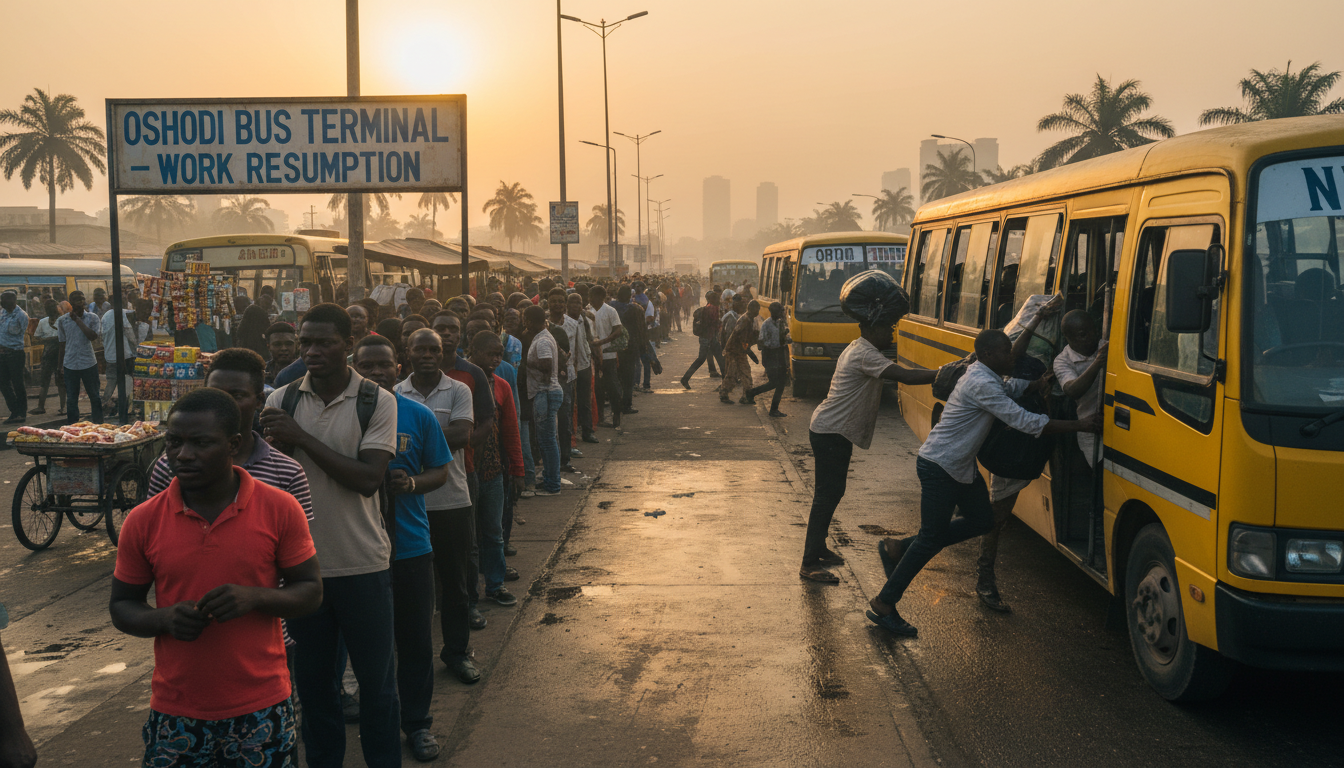
At exactly 5:12 a.m., the familiar sound of alarm clocks rang across Nigerian cities, marking the end of a brief festive escape and the beginning of another demanding work year. On Monday, January 5, 2026, office gates across Nigeria swung open, marking the official resumption of work after the festive break. But for many 9–5 workers, the jubilation of the holidays was quickly replaced by a familiar mix of economic anxieties and cautious optimism.
This year’s post-holiday return feels different. After months of economic pressure, recent data points to a softening cost-of-living environment, but the struggle to balance income with rising everyday expenses persists.
Nigeria’s inflation story has been a central theme of economic reporting. According to the National Bureau of Statistics (NBS), headline inflation slowed to 16.05 per cent in October 2025, down from higher levels the previous year. The cooling trend reflects a gradual easing in food and transport prices, giving ordinary workers some much-needed respite.
The rate at which food prices increase also moderated, signalling that staple items are no longer rising as quickly as before. This is a welcome development for consumers who have long felt the squeeze of price surges at markets and stores nationwide.
One of the most talked-about developments in the past year has been fuel pricing. In some parts of the country, petrol prices have become noticeably more affordable. Industry reports suggest that certain outlets, such as MRS, have rolled out petrol at prices as low as ₦739 per litre, a sharp contrast to periods when pump prices hovered near ₦1000 or more.
However, official data from the NBS indicates that the average national petrol price in November 2025 was around ₦1,061 per litre, illustrating that lower pricing has yet to reach all corners of the market. Regional supply bottlenecks and distribution challenges mean that relief is still unevenly experienced by motorists.
Still, workers arriving at bus stops and filling stations this morning reported palpable ease compared with last year, suggesting that fuel price relief, even if partial, has begun to make an impact.
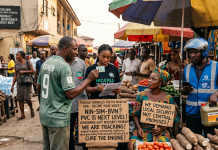
Prices of everyday food items such as rice, tomatoes, palm oil, and garri have stabilised in many markets nationwide. While they have not returned to pre-inflation levels, the slower pace of increase is welcome after years of steep cost pressures.
For example, rice is now often priced around ₦55,000 to #60,000 per 50kg bag, depending on location and quality. Traders attribute this relative stability to improved supply flows and reduced speculative hoarding, a trend that has eased market anxieties.

Consumers returning from the festive break described a mixed but hopeful picture at local markets: “Rice isn’t as shockingly expensive as before, and some products like tomatoes and palm oil are more predictable, but daily budget stretch remains a challenge for many families.” Said Bolu, a business developer.
Across offices in major cities, workers’ sentiments mirror the economic landscape — a blend of relief and realism.
“I feel slightly better than last year, the cost of some basics isn’t climbing as wildly, and fuel isn’t as punishing. But my salary still doesn’t stretch as far as I want.” Aisha reiterated.
Human resource experts warn that while recent economic easing is positive, employers must remain sensitive to workforce well-being. Without proactive policies, such as flexible schedules, commuter support, or wellness programmes — the risk of burnout and low morale could offset gains from economic improvement.
What 2026 May Hold
Economists are cautiously optimistic about Nigeria’s economic trajectory this year. Strengthened non-oil sectors, improved forex stability, and ongoing reforms suggest a foundation for more sustained growth and inflation control. A Reuters analysis highlighted expectations that 2026 could see further macro-economic gains if current trends hold.
For Nigeria’s workers, however, predictions matter less than daily lived experience. As they settle into another work year, many are navigating a complex reality: a slightly lighter cost burden, but continuing pressure on income.
Despite challenges, there is a prevailing sense of determination, not just to survive, but to adapt, innovate, and push forward in a dynamic economy.