




Petrol importers in Nigeria have slashed their prices below those offered by the Dangote Petroleum Refinery, triggering a new round of competition in the downstream oil sector. The price cuts come amid calls by Dangote Group President, Aliko Dangote, for the Federal Government to ban fuel imports in order to protect local refining.
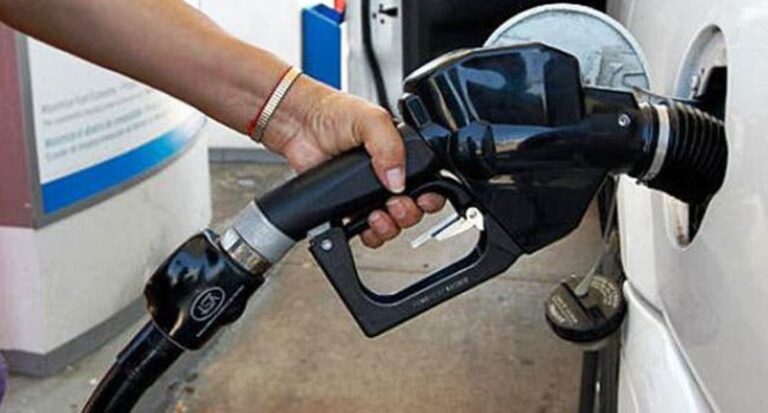
Recent checks show that several filling stations are now selling petrol below ₦860 per litre, while stations affiliated with Dangote—such as MRS and Heyden—continue to sell at ₦865 to ₦875 in Lagos and Ogun States. A station named SGR in Ogun reportedly dropped its pump price to ₦847 per litre.
At the depot level, the price disparity is also evident. Dangote Refinery was said to be selling petrol at ₦820 per litre, while some importers and depot owners—including names like Aiteo and Menj—offered the product at ₦815 as of Tuesday.
Marketers say the price cut is a strategic move to remain competitive, especially after enduring losses when the 650,000 barrels-per-day Dangote Refinery began adjusting prices downward earlier in the year.
According to the National Publicity Secretary of the Independent Petroleum Marketers Association of Nigeria (IPMAN), Chinedu Ukadike, “Depot owners are dropping their prices. Some are selling at ₦815, others at ₦817, while Dangote is at ₦820. NNPC hasn’t adjusted its ₦825 rate yet.”
Ukadike welcomed the competition as a natural outcome of market liberalisation, saying: “This is the benefit of an open market. The President should not ban fuel importation. Market freedom and local refining will ultimately ensure fair pricing.”
However, Aliko Dangote has expressed concerns over continued fuel importation, which he argues is undermining local producers and distorting the market. He recently called on African governments to implement protective measures similar to those adopted in the United States, Canada, and the European Union.
“The ‘Nigeria First’ policy announced by President Bola Tinubu should apply to the petroleum products sector,” Dangote said. “We are now seeing increased dumping of cheap and sometimes toxic petroleum products—blended to standards that would not be accepted in Europe or North America.”
Dangote claimed that some of the imported products are subsidised or sourced from discounted Russian crude, which puts local refineries at a pricing disadvantage. “Because of this, petrol and diesel are being sold at unreasonably low prices—around 60 cents per litre—cheaper than even in oil-producing countries like Saudi Arabia.”
He warned that the unregulated inflow of imported products could erode value for local refiners, discourage future investments, and hurt the broader economy.
Still, marketers disagree with Dangote’s push for a ban, arguing that competition is healthy and necessary for efficiency and consumer benefit. They maintain that Nigeria’s fuel market, if left open and well-regulated, can balance both import activity and local refining without harming either side.
As the pricing battle continues, the outcome may significantly influence Nigeria’s refining sector, the role of private importers, and future government policy in the petroleum value chain.