







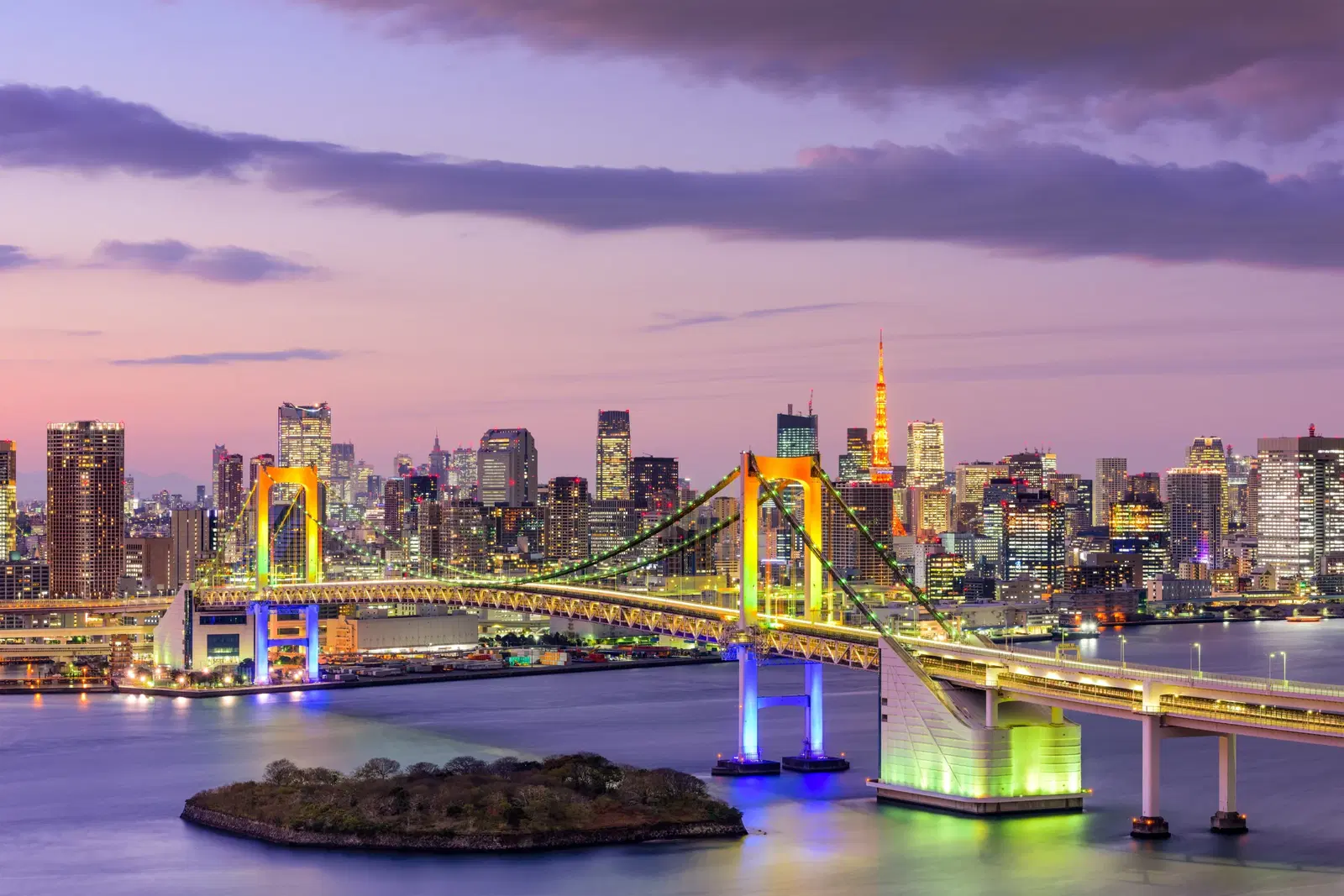
When news broke that Japan had officially designated Kisarazu as the “hometown” for Nigerians, it didn’t just sound like another diplomatic headline. It felt personal. For thousands of Nigerians considering relocation—whether for work, study, or simply a fresh start—this could very well be the bridge between two worlds.
On August 21, 2025, during the ninth Tokyo International Conference on African Development (TICAD9), Japan’s government unveiled this new partnership. At the heart of it is a special visa scheme designed to welcome skilled Nigerian workers, artisans, and young professionals into Kisarazu, a coastal city not far from Tokyo. But what does this mean in real terms? And more importantly, what’s life actually like in Kisarazu? Let’s unpack it.
A City by the Bay – Where Kisarazu Sits
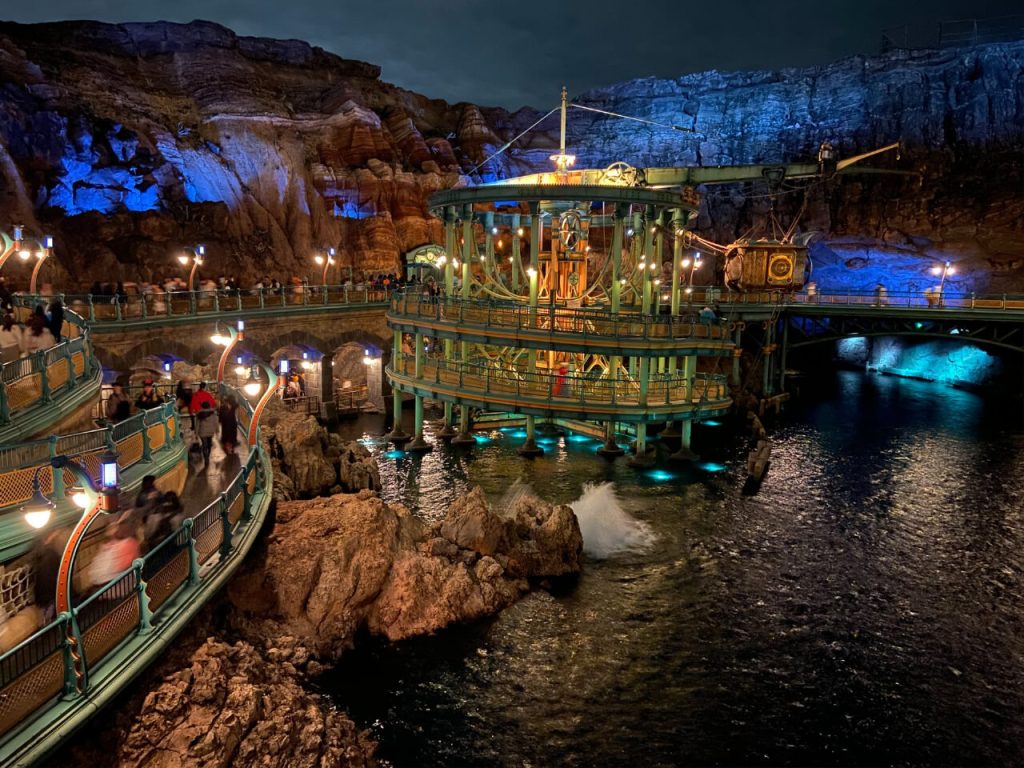
Imagine living close to Tokyo without paying Tokyo’s sky-high rents—that’s the deal in Kisarazu. Located about 70 km from Japan’s capital, the city is connected through the Tokyo Bay Aqua-Line, a 23.7 km bridge-and-tunnel highway. This means you can finish work in Kisarazu, hop on the Aqua-Line, and still meet friends for dinner in Tokyo without breaking much of a sweat.
The city itself is nestled on the coast, offering sweeping sea views, breezy summers, and a more relaxed pace compared to the bustle of Tokyo. For Nigerians used to Lagos’ constant energy, Kisarazu might feel quieter, but not in a boring way—more like a calm escape.
Olympic Ties That Started It All
Kisarazu isn’t a stranger to Nigerians. During the 2020 Tokyo Olympics (remember that odd COVID-delayed event?), the Nigerian contingent used the city as its training base. Athletes held pre-game camps here, mixing with locals and leaving behind a small cultural footprint. That familiarity probably laid the groundwork for today’s hometown designation.
Population and Workforce Potential
With about 136,000 residents (as of 2020), Kisarazu faces a challenge that plagues much of Japan: an ageing population. Simply put, they need younger, skilled hands to keep the city vibrant. Nigerians coming in through this hometown visa program are expected to play a critical role—working in industries, filling skill gaps, and breathing fresh energy into the community.
It’s not just Japan benefiting here. For Nigerians, this is a chance to enter one of the world’s most advanced economies through a pathway that values both professional skills and cultural exchange.
Safety First—And Yes, It Matters
One of Japan’s biggest selling points, which extends to Kisarazu, is safety. Violent crime rates are extremely low. The city has community policing, and petty crimes like pickpocketing are rare but, of course, possible in public areas. For Nigerians relocating with families, that sense of security can’t be overstated. It’s not perfection, but it’s a massive improvement compared to global averages.
A Taste of Kisarazu – Food and Fashion
Now, let’s talk lifestyle because no one moves abroad for visas alone. Kisarazu is famous for its clams harvested at Egawa Beach. Seafood dominates menus here—think ramen with local clams, fresh sushi, or street snacks like takoyaki. Nigerians with a taste for pepper soup and suya may need time to adjust, but food culture here is rich enough to spark curiosity.
Fashion-wise, expect a mix of modern casual wear—jeans, jackets, sneakers—with traditional Japanese kimono and yukata reserved for festivals. For Nigerians who love vibrant Ankara prints, blending styles during cultural events could actually turn into a fashion statement.
Work, Business, and Opportunities
Kisarazu sits within the Keiyō Industrial Zone, meaning industries like steel, chemicals, and electronics are present. There’s also agriculture and fishing—still important to the local economy. On the business side, the Mitsui Outlet Park is a retail hotspot, drawing shoppers from across Chiba Prefecture.
For Nigerians thinking long-term, this isn’t just about finding jobs. It could also mean setting up small businesses, trading cultural products, or tapping into Japan’s tech-driven economy.
Culture, Festivals, and Little Surprises
Japan loves festivals, and Kisarazu is no different. The Yassai Mossai dance parade and the Kisarazu Minato Port Festival, which features massive fireworks displays, give the city its own cultural flavor. And fun fact—there’s even a TV drama, Kisarazu Cat’s Eye, that made the city famous in pop culture.
Landmarks like the Nakanoshima Bridge (Japan’s tallest pedestrian bridge with views of Mount Fuji on clear days) and historic Kōzō-ji Temple add to the city’s charm. For weekend getaways, Egawa Beach or Kurkku Fields are perfect spots.
Marriage, Money, and Everyday Life
Thinking of settling down fully? Here’s the practical bit. Marriages are legally recognized only when registered at the city hall. Minimum age is 18 for both men and women, and polygamy isn’t allowed under Japanese law. Nigerians marrying here need proof of single status.
Currency-wise, Japan runs on yen (¥), and you’ll mostly use notes like ¥1,000, ¥5,000, and ¥10,000, along with coins. Living costs in Kisarazu are lower than central Tokyo—cheaper rent, groceries, and transportation. According to LivingCost.org, the median after-tax salary is about $2,585, enough to cover living expenses for more than two months.
Health, Education, and Governance
Healthcare in Japan is universal. Nigerians relocating will need to enroll in National Health Insurance. Kisarazu has multiple hospitals, including Kisarazu City Hospital.
Education-wise, there’s Seiwa University, Kisarazu National College of Technology, and Gyosei International School, which is bilingual (Japanese-English). For families with kids, that’s a big plus.
The city is governed by Mayor Yoshikuni Watanabe and a municipal assembly, handling welfare, urban planning, and disaster preparedness. Governance here is structured and responsive—very different from the bureaucratic delays Nigerians may be used to.
Religious Life and Spiritual Communities
Japan is largely Shinto and Buddhist, but Christianity and Islam exist in small numbers. In Kisarazu, there are small churches and gatherings, while larger mosques and congregations can be found in Chiba and Tokyo. Nigerians moving here will still find opportunities to connect spiritually, though not as frequently as back home.
Language and Time Difference
Japanese is the dominant language. English isn’t widely spoken outside Tokyo, so learning Japanese is almost a necessity for anyone planning to integrate. For Nigerians, it may take effort, but the payoff is smoother work, easier friendships, and deeper cultural understanding.
Also, don’t forget the time difference—Kisarazu is eight hours ahead of Nigeria. So, while it’s noon in Lagos, it’s already 8 pm in Kisarazu. This will matter for those working remotely or keeping close ties back home.
Why This Matters – Beyond Visas and Passports
Japan’s Prime Minister Shigeru Ishiba made it clear during TICAD9: the country needs new partnerships as it faces an ageing population and shrinking workforce. Nigeria, with its young, energetic population, fits into that vision. For Nigerians, the benefit is not just about jobs abroad, but access to a country that invests heavily in technology, education, and innovation.
In many ways, Kisarazu represents more than just a hometown designation. It’s a cultural handshake—a chance for Nigerians to leave their imprint on Japanese soil while carrying home lessons, skills, and new perspectives.
Final Thoughts
So, what should Nigerians expect in Kisarazu? A calm, coastal city with real opportunities, lower living costs compared to Tokyo, and a visa scheme that values their skills. It’s safe, it’s connected, and it’s culturally vibrant. Sure, the language barrier might be tough at first, and the food may feel unfamiliar. But with patience, adaptability, and community spirit, Nigerians could turn Kisarazu into something more than a “hometown” on paper.
They could make it home.