




In a bold move to revitalise agriculture and drive economic transformation, the Kaduna State Government has allocated N74.2 billion to the agricultural sector in its proposed 2025 budget—marking a dramatic increase from previous years.
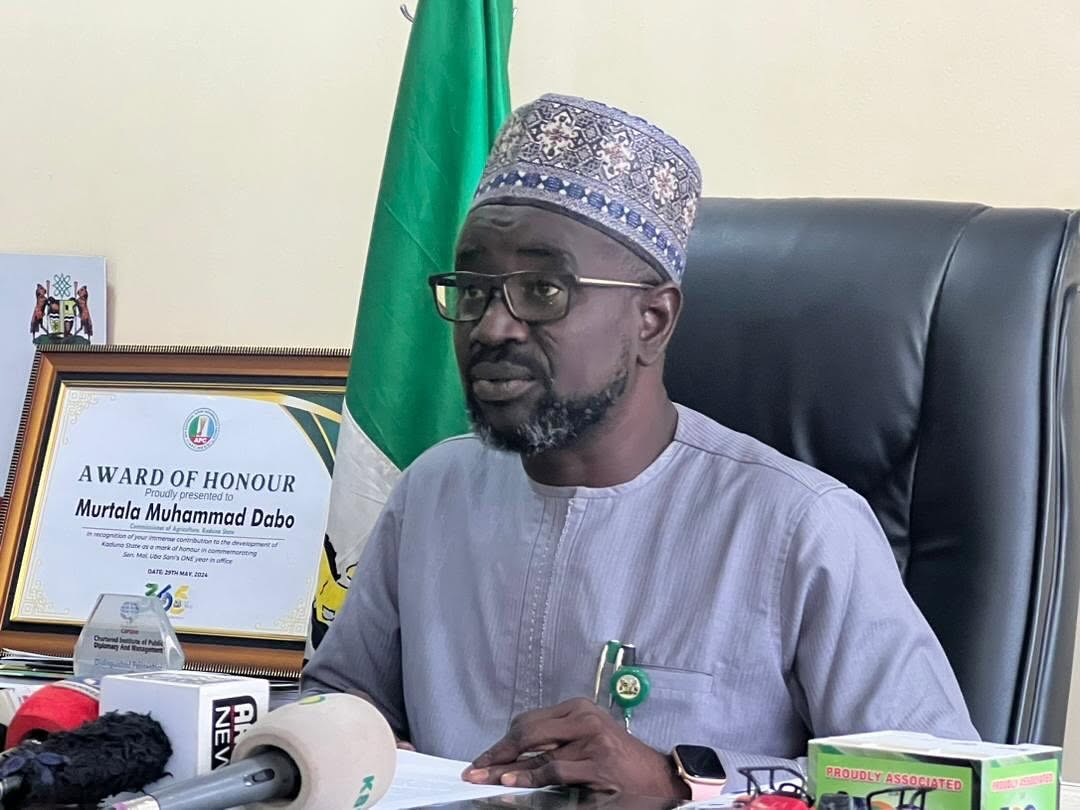
Commissioner for Agriculture, Alhaji Murtala Dabo, announced the development on Thursday during a quarterly ministerial press briefing in Kaduna. He revealed that the new allocation represents 9.36% of the total state budget and reflects a 5,000% increase from the N1.48 billion allocated to the sector in 2023 by the previous administration.
“We are committed to ensuring that our agricultural sector is well-funded and supported to drive economic growth and food security in the state,” Dabo said.
Highlighting the administration’s strategic focus, the Commissioner disclosed that 97.7% of the agricultural budget is earmarked for capital projects, with just 2.3% allocated for recurrent expenditure. This, he said, underscores the state’s emphasis on long-term, transformative investments in the sector.
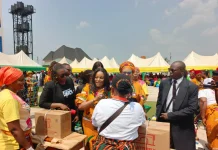
As part of its ongoing interventions, the state has distributed more than 500 trucks of free fertilisers to verified smallholder farmers under the Agricultural Input Supply Support Programme—described as the largest of its kind in Kaduna’s history.
In addition, over 69,000 smallholder farmers benefitted from improved maize seeds and agrochemicals during the rain-fed farming season through the ‘Tallafin Noma (A Koma Gona)’ initiative.
Dabo reaffirmed the government’s commitment to making Kaduna a leading agricultural hub in Nigeria:
“Our goal is to make Kaduna State a major player in the agricultural sector and contribute to the nation’s food security. Agriculture is the backbone of our economy, and we will continue to support our farmers with the resources they need to thrive.”
The Commissioner also announced the distribution of free agricultural implements and inputs—including tractors, solar-powered irrigation machines, and fertilisers—to cooperative groups. In a bid to ensure sustainability, the government has introduced a new public-private partnership (PPP) framework for the operation of mechanisation hubs.
“These hubs, which will be privately operated, will offer tractor services to farmers at highly subsidised rates,” he explained. “Revenues generated will be reinvested to acquire more machinery, enabling widespread access to mechanisation across the state.”
To strengthen the state’s position in export markets, Dabo further disclosed the development of an Agricultural Quality Assurance Centre (AQAC) in collaboration with Afreximbank. The facility will ensure that Kaduna’s agricultural produce meets both domestic and international standards.
“The AQAC will enhance Kaduna’s competitiveness in the global agricultural market, especially under the African Continental Free Trade Area (AfCFTA) framework,” he noted. “This means our farmers and agro-industries will not only produce more, but produce better—meeting the highest standards for export and premium markets.”
The Commissioner assured stakeholders that these efforts are part of a holistic strategy to improve productivity, boost farmers’ incomes, and position Kaduna as a benchmark for modern, inclusive agricultural development in Nigeria.