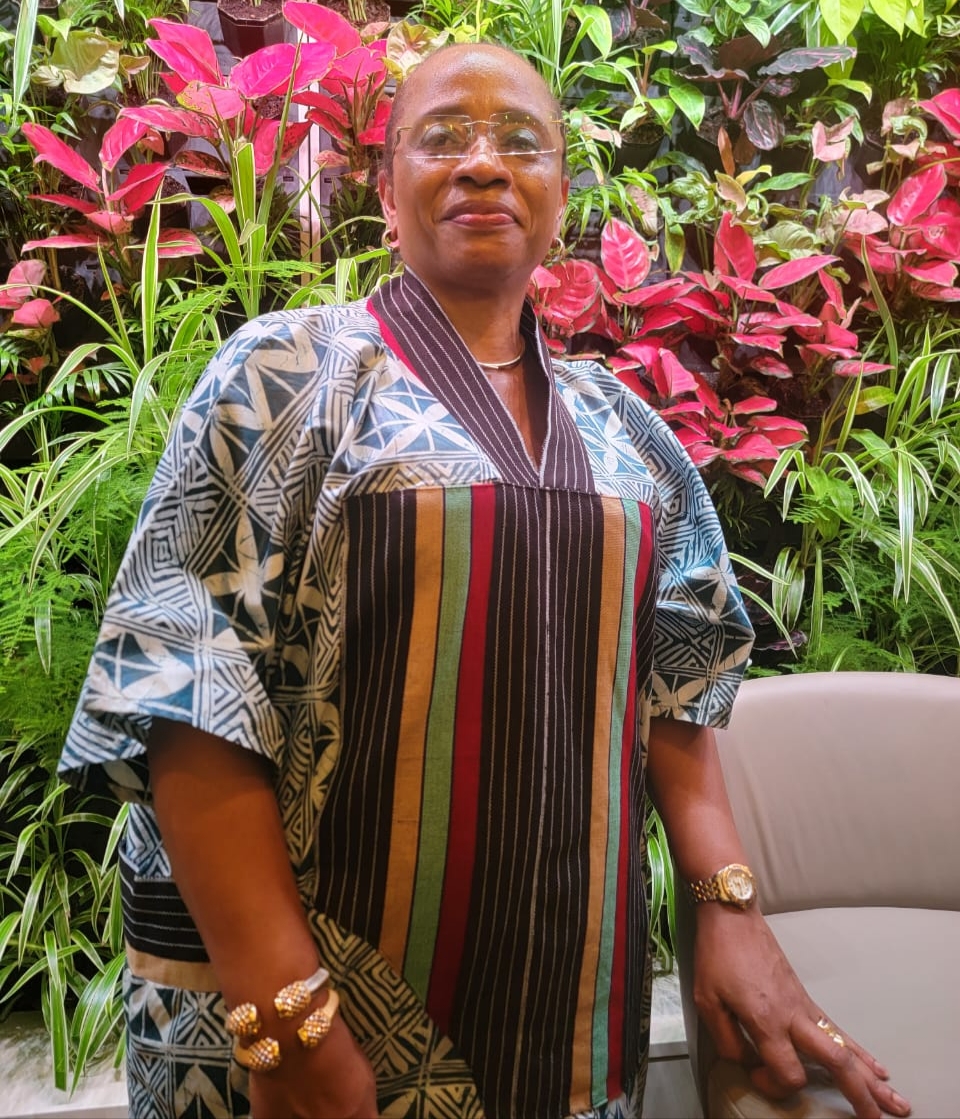
Engineer Aramide Adeyoye has spent three decades dismantling the idea that engineering and public leadership are male terrain. She argues that the barriers limiting women in Nigeria’s most demanding professional environments are not walls – they are temporary facades that collapse under competence, character, and deliberate mentorship.
In an exclusive interview with BizWatch Nigeria, Adeyoye was direct: symbolic representation is not enough. What Nigeria’s institutions need, she argued, are structured recruitment processes, merit-based appointments, and leaders willing to invest deliberately in the generation behind them – not because it is policy, but because it is the only way progress compounds.
“Character first, then capacity and competence. When you find a prepared person and give that person an opportunity, success is inevitable,” she said.
Breaking a structural ceiling
Adeyoye made history as the first woman to oversee Lagos State’s Works and Infrastructure portfolio, a role long perceived as too demanding for female leadership. Lagos State, created in 1967, had never appointed a woman to that position until her emergence. For four years, she ran the dual portfolio of a Commissioner and Special Adviser on works and infrastructure, insisting that performance, not sentiment, must define public office.
“You will naturally face resistance in a male-dominated environment, but when people size you up and see that you know what you are doing, the barriers fade. They are temporary facades.” She said.
Her leadership style, she explained, was anchored on discipline, accountability and measurable outcomes. Long hours and rigorous oversight became routine, reinforcing her conviction that credibility is earned through consistency and delivery.
Inclusion beyond policy
While Nigeria’s constitutional and policy frameworks recognise gender inclusion, Adeyoye stressed that implementation remains uneven across states and sectors. “It is one thing to draw up affirmative policies; it is another to action them, the time to action is now.”
She challenged political actors and institutions to move from symbolic representation to structured recruitment processes that prioritise merit. Leadership selection, she argued, must mirror best-practice hiring standards in the private sector.
“There is a price to pay for bad recruitment; if you want effective leadership, you must look for character, competence, and capacity and be objective in that search,” she cautioned
Adeyoye further observed that societies that sideline women in governance ultimately undermine their own development potential.
“Any society that deprives itself of the contributions of women is not likely to move forward,” she added.
Mentorship as nation-building
Central to her reflections on the “Give to Gain” theme is mentorship as a strategic tool for nation-building. She emphasised that mentorship begins at home, noting that internal guidance, where parents deliberately encourage their children to strive for excellence, often has a deeper and more lasting influence than external support systems.
She recalled that her father embodied the spirit of a “HeForShe” advocate long before the term became popular, consistently championing her ambitions and reinforcing her confidence. She also credited her husband as an invaluable pillar of support who stood by her throughout her professional journey. For Adeyoye, these foundational relationships shaped a career she believes carries a clear obligation: to replicate excellence by investing in the next generation.
After 32 years in the construction sector, where she rose to become one of the most senior female engineers at board level, she prioritised mentoring younger professionals, particularly women entering engineering and public service.
She currently mentors through structured platforms, including the Lateef Jakande Leadership Academy and alumni initiatives at the University of Lagos. At Methodist Girls’ High School, her alma mater, she sponsors annual prizes and scholarships in science and engineering to encourage female participation in STEM disciplines.
“Mentor. Replicate yourself; if you leave the next generation behind, there will be nothing to take over.”
Beyond formal mentoring, Adeyoye advocates a cultural shift among women themselves, urging senior professionals to deliberately support younger ones.
“Men hold themselves and mentor their own. Women must begin to do the same. Let the older hold the younger. Let each one hold each one.”
Professionalism over sentiment
Adeyoye rejects narratives that portray women primarily as victims of circumstance. While acknowledging structural inequities, she emphasised personal agency and preparedness.
“You may not choose where you are born, but you can choose what you become,” she said, urging young women to rise above limiting environments through education, discipline, and self-development.
The Technocrat reiterated the importance of civic responsibility, arguing that sustainable change requires both accountable leadership and responsible citizenship. From early education to political participation, she believes that patriotism and ethical consciousness must be cultivated intentionally.
A roadmap for sustainable progress
As Nigeria continues to expand women’s representation in banking, academia and public service, Adeyoye believes the next frontier lies in executive political leadership and broader sectoral inclusion.
With International Women’s Day spotlighting the imperative to “Give to Gain,” she insists that the most enduring investment leaders can make is in people, through mentorship, structured opportunity, and principled governance.
“Leadership is not about titles; it is about impact. Professionalism, character, and mentorship can translate aspiration into measurable progress and inclusion into institutional legacy; barriers will fall,” she said.
Engineer Aramide Adeyoye is a COREN-registered civil engineer and Chief Executive Officer of ABM Infrastructure Advisory Ltd. She made history as the first woman appointed to oversee Lagos State’s Works and Infrastructure portfolio, serving as Special Adviser to Governor Babajide Sanwo-Olu from 2019 to 2023. Before entering public service, she spent 31 years at Julius Berger Nigeria PLC, rising from Civil Engineer to Deputy Project Manager — one of the most senior female engineers in the firm’s history. A University of Lagos alumna with a BSc in Civil Engineering, she holds an Executive MBA from Lagos Business School and multiple executive certifications from Harvard Kennedy School, Harvard Business School Online, and Georgetown Law, spanning public policy, climate change, infrastructure finance, and investment arbitration. She mentors young professionals through the Lateef Jakande Leadership Academy and sponsors annual STEM prizes and scholarships at her alma mater, Methodist Girls’ High School, Lagos.