

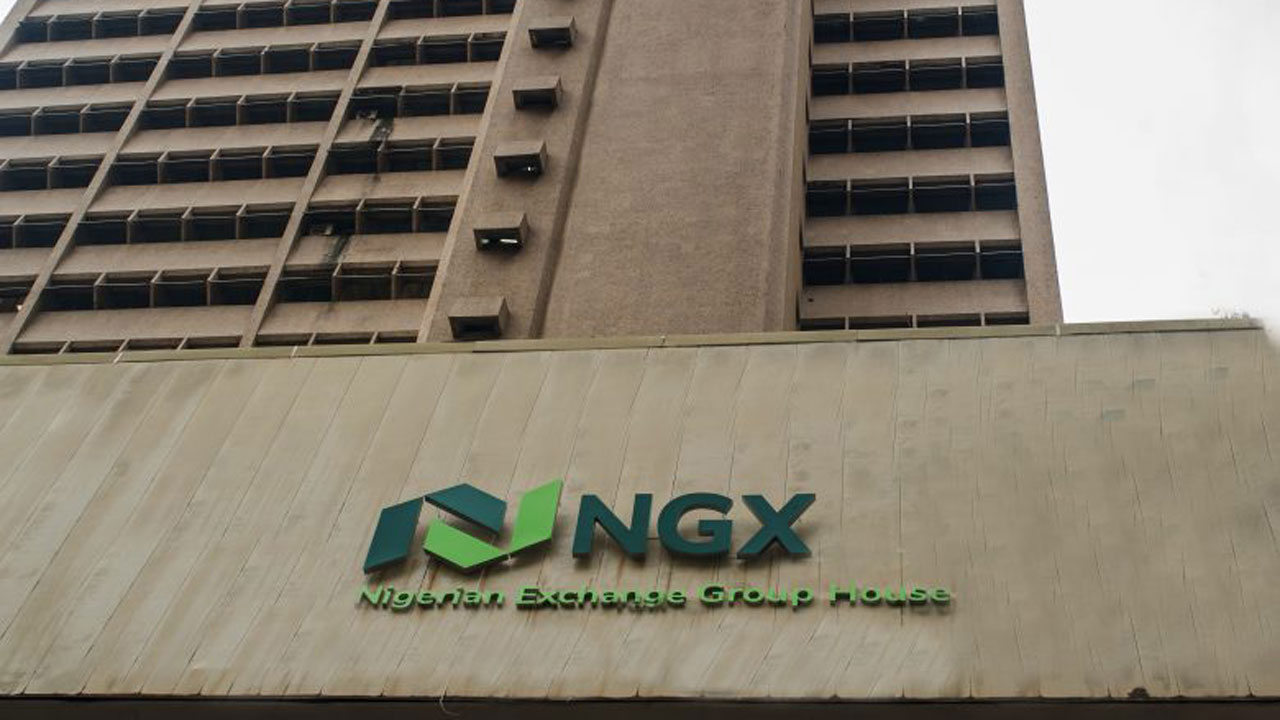


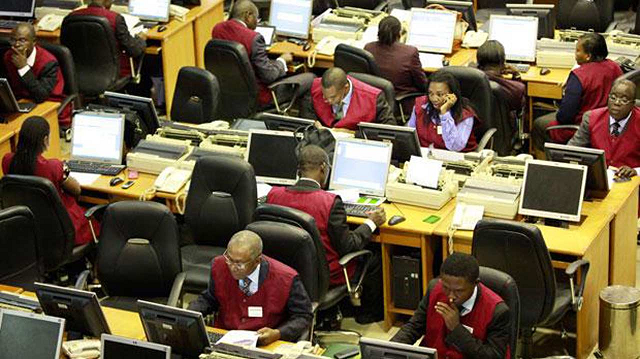
Nigerian equity investors recorded a substantial ₦12.62 trillion gain in July, buoyed by robust rallies that persisted throughout the month. The Nigerian Exchange (NGX) All-Share Index closed the period strongly, delivering historic returns across major sectors and capping off a bullish run that turned heads among local and international investors.
According to a market note from Apex Securities Limited, the dramatic uptick in equities was driven by aggressive bargain hunting, solid financial sector performance, and mounting investor confidence amid improving macroeconomic signals.
The impressive equity rally propelled the year-to-date market return to 35.89%, reflecting a blend of strategic market inflows, fear of missing out (FOMO) behavior, and optimism driven by corporate earnings across key industries. Strong investor appetite for banking, insurance, and oil & gas stocks dominated sentiment throughout the month.
Currency dynamics also played a significant role in shaping the market narrative. Apel Research highlighted that the official naira exchange rate at the end of July stood at ₦1,533.55 per US dollar, showing a modest decline of 0.25% from June levels. This indicates that the exchange rate remained relatively stable, especially after the turbulence seen earlier in the year.
In the parallel market, however, the naira weakened slightly. Despite this, July remained the strongest month for the local currency so far in 2025, with external reserves providing a critical buffer. Reserves increased by $2.15 billion, helping to reduce pressure on the naira and instilling greater market confidence.
On the energy front, analysts noted that rising petrol prices served as a dual-edged sword. The average pump price of premium motor spirit (PMS) in June surged to ₦1,037.66 per litre, representing a 38% year-on-year increase and a 1% rise from May. While these higher prices have strained consumer spending, they have simultaneously improved revenue flows into energy-related sectors and supported government fiscal reforms, including ongoing fuel subsidy removal.
However, the month wasn’t without its international headwinds. Apel Securities Limited reported that the U.S. administration, under President Trump, issued a new executive order imposing a 15% tariff on all Nigerian exports to the United States, effective August 7. This move could potentially dampen Nigeria’s non-oil export prospects unless renegotiated before the effective date.
While the new trade tariff casts a cloud of uncertainty over international commerce, overall economic sentiment remained largely upbeat. A composite assessment of the economy shows positive equity market performance, improving forex liquidity, and manageable inflation risks, though cost-push inflation and global trade politics remain notable concerns.
“Nigeria’s capital markets ended July with the energy of a festival — soaring equities, currency resilience, increased energy revenues, and looming trade worries. The month was, without question, an investor’s delight,” Apel Securities analysts remarked.
Looking ahead, market watchers are turning their focus to Q3, advising investors to remain attentive to inflation trajectories and international trade developments while positioning their portfolios for the next wave of market shifts.