








If you’ve been paying attention, you’ve probably noticed something: Canada’s permanent residency conversation has shifted. Express Entry isn’t the easy golden ticket it once felt like. Scores are higher. Draws are more targeted. And for many people—skilled workers, students, caregivers, even small business owners—the traditional route feels crowded.
Here’s the thing, though. Canada hasn’t closed its doors. It has simply rearranged the entrances. Let me explain how people are still finding their way in—quietly, strategically, and often faster than you’d expect.
1. Look Past Express Entry and Toward the Provinces
You know what doesn’t get enough attention? Provinces. Canada’s Provincial Nominee Programs (PNPs) operate like semi-independent hiring managers. Each province has its own labour gaps, demographics, and economic needs. And they’re not always looking for the same profiles that Express Entry rewards.
Manitoba likes settlement ties. Saskatchewan focuses on specific occupations. Nova Scotia occasionally sends invitation letters to people who didn’t even apply directly. Ontario runs tech and healthcare streams that feel almost tailored when the timing is right.
The trick isn’t applying everywhere. It’s reading provincial labour lists like a recruiter would. If your job title shows up—even vaguely—pay attention. Provinces don’t need perfection. They need people who will stay.
2. Rural and Francophone Programs Are Quietly Powerful
Let’s talk about geography for a moment. Canada doesn’t just want immigrants. It wants them spread out. That’s why programs like the Rural and Northern Immigration Pilot exist. Smaller towns partner with employers to nominate workers directly. No massive pools. No global competition frenzy.
Same goes for Francophone mobility streams. If you speak French—well, even passably—doors open outside Quebec. Ontario, New Brunswick, and Manitoba actively recruit French speakers to balance demographics.
Honestly, these programs feel less like immigration systems and more like community invitations. They care about fit. About whether you’ll integrate, work, and stay. That human element matters more than people realize.
3. Study-to-PR Isn’t Just About Big Cities Anymore
Yes, studying in Canada still works. But the old formula—Toronto school, post-graduate work permit, Express Entry—doesn’t always deliver anymore.In 2026, smaller institutions in less-popular provinces often offer stronger pathways. Think colleges in Atlantic Canada or the Prairies. Their graduates earn local work experience faster and qualify for provincial nominations sooner.
It sounds counterintuitive. Smaller school, bigger opportunity. But that’s exactly how policy incentives are structured right now. And no, this doesn’t mean low-quality education. It just means choosing schools with immigration outcomes in mind, not Instagram appeal.
4. Temporary Work Can Be a Long Game That Pays Off
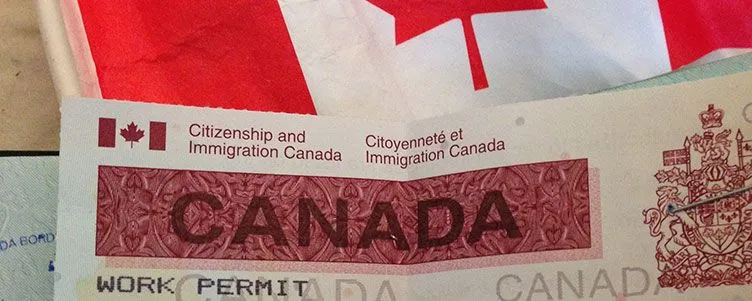
Some people rush. Others pace themselves. Employer-sponsored work permits—especially under the Temporary Foreign Worker Program or LMIA-backed roles—remain one of the most reliable long routes to PR. Caregivers, truck drivers, farm supervisors, healthcare aides, construction workers… these roles are in demand across provinces.
The work permit comes first. PR follows later. It’s not glamorous. It requires patience. But once Canadian work experience enters your profile, everything changes. Points increase. Provincial interest grows. Options multiply. Sometimes, stability beats speed.
5. Family and Community Links Matter More Than You Think
This one gets overlooked, often dismissed as “not for me.” Family sponsorship isn’t only for spouses. Parents, grandparents, and dependent relatives can form part of a broader migration story. In some cases, settlement support from family strengthens provincial applications.
Community recommendations also matter in rural programs. Churches, local employers, cultural associations—they all play quiet roles in endorsements and job matching. Canada’s system isn’t purely digital. It’s social, too. Relationships still count.
6. Business, Talent, and Niche Routes Exist for a Reason
Not everyone fits the worker-student mold. Entrepreneurs can explore start-up visas, provincial entrepreneur streams, or self-employed programs (especially in arts, culture, and sports). Tech founders with viable ideas often find Canada surprisingly receptive—especially with incubators involved.
There are also niche humanitarian, religious, and talent-based pathways that don’t trend on social media but quietly process applications every year. The key is honesty. About your skills. Your finances. Your long-term intent. Canada is allergic to shortcuts, but receptive to clarity.
So, What’s the Real Strategy?
Here’s the mild contradiction: there are many pathways, yet not everyone should chase many pathways. The smartest applicants in 2026 aren’t the loudest. They’re the ones who pause, assess their profile, and choose one or two routes that make sense—professionally and personally.
Immigration isn’t a sprint. It’s more like relocating your entire life across climates, cultures, and systems. Canada knows this. Its policies reflect it. And if you read them carefully, you’ll notice something reassuring. There’s still room. Just not in the obvious places anymore.