









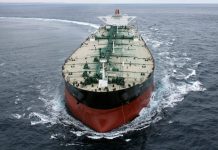
International crude oil prices surged on Wednesday as escalating geopolitical tensions in Iran sparked fears of a significant supply contraction. Brent crude rose by 1.13 percent to settle at $66.21 per barrel, while U.S. West Texas Intermediate (WTI) climbed to $61.79 per barrel. The rally is primarily driven by a “risk premium” as markets react to anti-government protests in Tehran and the potential for a U.S. military intervention.
This price shift is particularly significant for Nigeria, as it pushes the global rate back above the $64.85 per barrel benchmark set in the 2026 federal budget.
The unrest in Iran began on December 28 following the collapse of the Iranian currency and has since evolved into a nationwide uprising against the clerical government. Reports from rights groups indicate that the crackdown has turned increasingly lethal, with an estimated 2,000 people dead as of mid-January. Tensions reached a boiling point after U.S. President Donald Trump publicly encouraged the protesters and floated the possibility of a strike. In response,
Tehran warned neighboring countries that any U.S. aggression would result in immediate retaliatory strikes on American military bases in the region.
For Nigeria, this price recovery offers a temporary fiscal cushion after oil had previously dipped to $60 per barrel earlier this month. President Bola Tinubu’s ₦58.18 trillion budget for 2026 relies heavily on oil revenue to fund a projected ₦26.08 trillion in capital expenditure.
However, analysts remain cautious, noting that while high prices are beneficial, Nigeria must still hit its daily production target of 1.84 million barrels to fully realize these gains. Any further escalation that blocks the Strait of Hormuz could send prices even higher but might also trigger global economic instability that impacts trade.


 climbed to $61.79 per barrel. The rally is primarily driven by a "risk premium" as markets react to anti-government protests in Tehran and the potential for a U.S. military intervention.)