







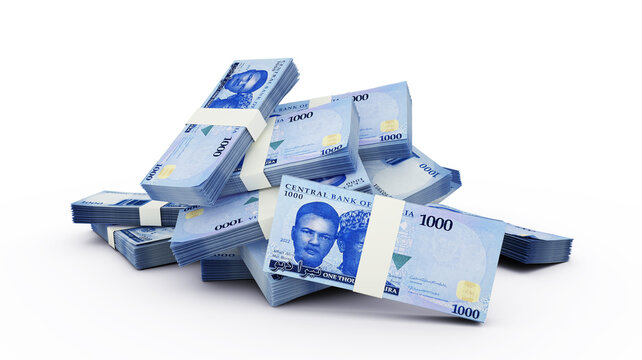
The gap between Nigeria’s official and parallel FX markets narrowed last week as the naira recorded losses across major trading segments amid persistent dollar shortages. The scarcity prompted another round of intervention from the Central Bank of Nigeria (CBN).
The CBN injected $250 million into the official FX window in an attempt to stabilise supply and guide market pricing. However, strong dollar demand and weaker inflows continued to drag the currency lower, pushing the naira to N1454/$ at the close of business on Friday.
At the official market, the naira reached an intraday high of N1462 per dollar, compared to N1450 at the start of the week, signalling a tightened liquidity environment. Week on week, the currency depreciated by N14, despite the combined effect of CBN interventions and routine FX market sales.
Across the parallel market, the naira slipped by N5, settling at N1460 as demand outstripped available dollar supply. This brought the differential between both markets to just N6, reflecting intensified regulatory efforts to curb speculative trading.
Despite the exchange rate volatility, Nigeria’s external reserve position edged higher. Foreign reserves grew by 1.10%, rising from $43.64 billion to $44.12 billion, supported by steady oil receipts, stronger non-oil inflows, and a sustained trade surplus.
Global commodity markets witnessed notable declines after U.S. data showed an unexpected rise in crude inventories, sparking fears of oversupply.
WTI crude dropped 3.01% to $58.91
Brent crude fell 2.91% to $63.00
Bonny Light slipped 1.24% to $64.28
Analysts say the downward trend reflects mounting concerns over weakening global demand and persistent supply-side risks affecting oil-producing countries.