







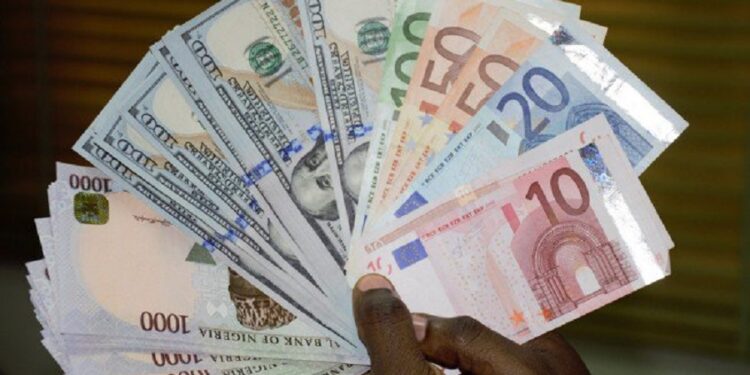
In the face of changing global risk appetite, Nigeria attracted $8.05 billion in foreign portfolio inflows during the first half of 2025, according to a mid-year investment outlook released by CardinalStone Partners Limited.
This resurgence of foreign capital inflow into Nigerian financial markets was largely driven by a combination of government reforms and rising yields on debt instruments, analysts at the firm explained.
Amid Nigeria’s ongoing monetary tightening policies, the Central Bank of Nigeria (CBN) has implemented a series of interest rate hikes aimed at combating inflation. However, critics argue that the CBN’s focus on demand-side monetary measures fails to address structural cost-push inflation.
During the first half of the year, the CBN intensified open market operations (OMO), launching six auctions in rapid succession to soak up excess liquidity. This created fresh opportunities for offshore investors who were drawn to the attractive yield environment.
This surge of capital, often referred to as “hot money,” was also felt in the equities market, where international investors increased exposure as the Nigerian Exchange continued its breakout performance.
According to CardinalStone, foreign portfolio investments nearly matched the entire 2024 inflow of $8.53 billion, raising expectations that full-year figures could reach $16.08 billion—the highest annual inflow on record.
Analysts noted that Nigeria’s current investment narrative offers compelling carry-trade opportunities, largely due to the CBN’s reluctance to ease monetary policy in contrast to global trends. This has kept interest rates attractive to international capital providers.
Since Nigeria’s exclusion from the JP Morgan Emerging Markets Bond Index in 2015, FPI inflows had dropped significantly, averaging $0.65 billion annually between 2015 and 2023, compared to $1.83 billion in prior years.
CardinalStone analysts suggest that Nigeria may be inching closer to a re-entry into the index, which could trigger another round of inflows. “We believe there’s ample room for sustained FPI growth, especially with Nigeria making structural reforms and re-engaging global markets,” the report said.
Furthermore, the CBN’s drive for FX market transparency—through liberalised pricing, enhanced engagement with investors, and improved liquidity—has begun restoring confidence in the naira market.
Equity market inflows have followed suit, reflecting a positive shift in investor sentiment. CardinalStone believes this trend will continue, backed by Nigeria’s relatively stable macroeconomic outlook and increasing appeal among frontier and emerging market investors.