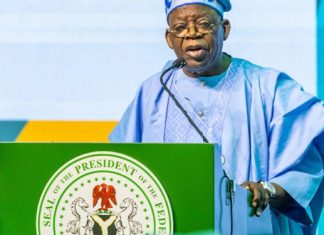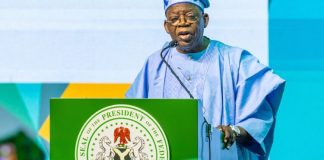






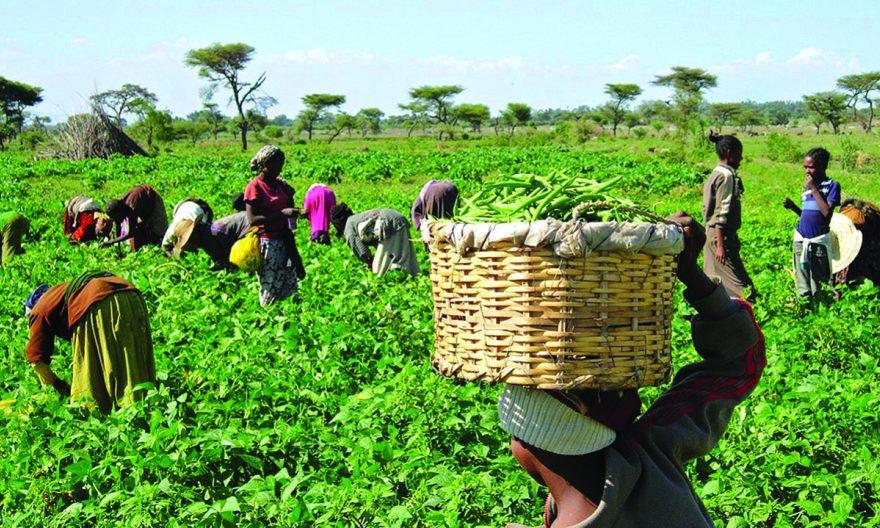
The Federal Government of Nigeria has announced urgent plans to support domestic farmers after food prices plummeted below production costs, threatening the sustainability of the agricultural sector. Speaking at the launch of the Nigerian Economic Summit Group 2026 Macroeconomic Outlook Report in Lagos on Thursday, January 15, 2026, the Minister of Finance and Coordinating Minister of the Economy, Wale Edun, emphasized the need to protect producers from financial ruin.
The minister warned that if farmers are not incentivized to continue planting, the recent gains in food availability could be reversed, leading to future supply shortages.
This intervention follows a sharp cooling of inflation throughout 2025. National Bureau of Statistics data released on Thursday shows that food inflation dropped to 10.84 percent in December 2025, a significant decrease from the nearly 40 percent recorded a year prior.
While this disinflation has provided much-needed relief to consumers, it has created a “price floor” crisis for smallholder farmers whose input costs—including fertilizers, seeds, and labor—remained high during the planting season. The government’s 2026 “Budget of Consolidation” aims to strike a balance by maintaining affordability for the public while providing subsidies or guaranteed minimum prices to keep farms viable.
Beyond emergency agricultural support, Minister Edun declared that Nigeria has successfully moved from “crisis stabilization” into a “consolidation phase.” He noted that the economy is projected to grow by 4.68 percent in 2026, supported by a more stable exchange rate and stronger external reserves which reached $45.5 billion by late 2025.
The government intends to focus on human capital development and ward-based economic programs to ensure that these macroeconomic improvements translate into higher living standards for the average household.
The 2026 fiscal strategy also includes a pro-poor tax framework that officially exempts essential food items and small businesses from certain levies. To address the structural issues mentioned by stakeholders at the NESG summit, the government has committed to accelerating the rollout of 90,000 kilometers of fiber optic cables and improving the national electricity supply.
These measures are expected to lower the overall cost of doing business, helping the manufacturing and agricultural sectors become more globally competitive under the African Continental Free Trade Area.