




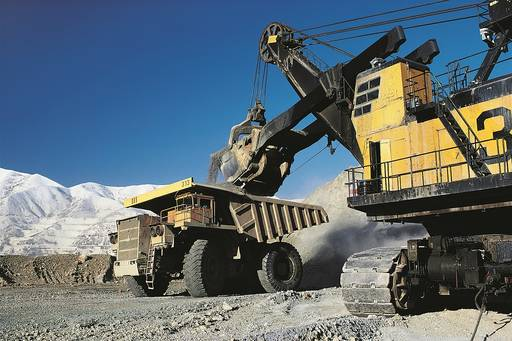
The Federal Government has announced plans to revoke more than 1,000 inactive mining licences, building on the 900 licences already cancelled in 2024 as part of its industry clean-up exercise.
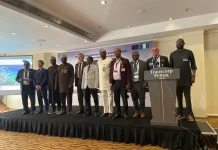
Minister of Solid Minerals Development, Dr Dele Alake, made the disclosure on Wednesday while delivering his keynote address at the inaugural National Steel Summit in Abuja.
“To sanitise our licencing regime, we earlier withdrew over 900 dormant titles, which were being hoarded by speculators rather than being used for actual development,” Alake stated. “Shortly, we will be revoking another batch of over 1,000 such licences.”
Alake described the mining sector as a cornerstone of Nigeria’s industrial growth, stressing that it would no longer be a haven for opportunists. He outlined the government’s vision for mineral resources to power domestic industries, create jobs, and enhance national prosperity.
He said the summit’s theme — “Rebuilding and Consolidating Nigeria’s Steel Industry: Collaborative Action for Sustainable Growth and Global Competitiveness” — aligns with President Bola Tinubu’s goal to make Nigeria the steel hub of West Africa.
This strategy, he said, is built on sustainable practices, local value addition, and robust private sector partnerships. Nigeria must transition from exporting raw minerals and importing finished steel to processing its resources domestically, he added.
Minister of Industry, Trade and Investment, Dr Jumoke Oduwole, said her ministry is advancing industrialisation through reforms in manufacturing and innovation, creating economic corridors, and integrating Nigeria into global and regional value chains.
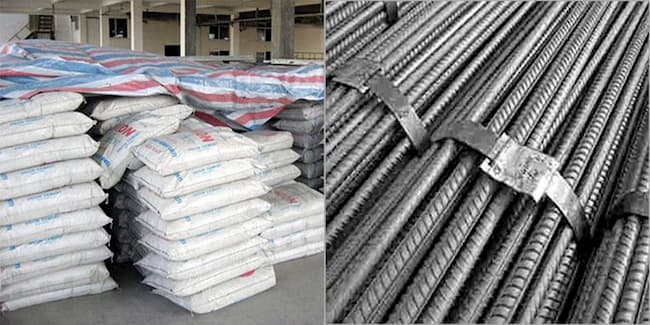
Steel Development Minister, Shuaibu Audu, described the steel sector as the “backbone of industrialisation,” essential to industries ranging from construction and shipbuilding to telecommunications and defence.
He noted Nigeria’s abundance of steel-making raw materials but lamented the lack of operational integrated steel plants. He called for increased investment to exploit the sector’s potential, generate jobs, and diversify the economy.
The summit aimed to assess the steel industry’s current status, identify investment gaps, and strengthen collaboration between policymakers and industry stakeholders.