






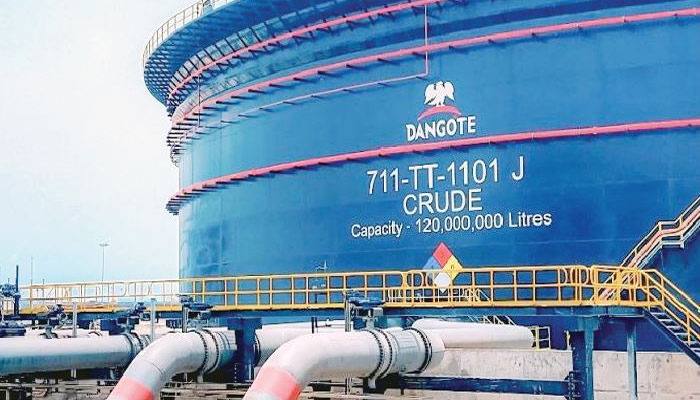
The Federal Government has announced that staff earlier disengaged from the Dangote Refinery will be redeployed to other subsidiaries within the Dangote Group, following the resolution of the company’s dispute with the Petroleum and Natural Gas Senior Staff Association of Nigeria (PENGASSAN).
Minister of Labour and Employment, Dr Mohammed Maigari Dingyadi, disclosed this in a statement issued on Wednesday in Abuja. He said the redeployment will come at no loss of pay or benefits to the affected workers.
“After examining the procedure used in the disengagement of workers, the meeting agreed that the management of Dangote Group shall immediately begin the process of redeploying the disengaged staff to other companies within the Dangote Group, with no loss of pay,” Dingyadi stated.
He added that no worker would be victimised for their role in the standoff, stressing that the agreement was reached in good faith. According to him, PENGASSAN has also commenced the process of calling off its strike.
The minister reiterated that unionisation remains a fundamental right of workers under Nigerian law, and urged all parties to respect that principle.
The reconciliation followed a breakdown of earlier talks between PENGASSAN and the refinery management, which ended in deadlock on Monday. The dispute stemmed from allegations by the union that Dangote Refinery had transferred or dismissed several of its members, while replacing some Nigerian staff with expatriates. The union argued that the actions contravened labour laws and undermined local employment rights.
Dangote management denied the claims, insisting that its workforce restructuring was driven solely by operational requirements and not linked to union activities.
Tensions escalated when PENGASSAN halted gas and crude oil supplies to the refinery, sparking concerns about possible disruptions to Nigeria’s energy supply and economic stability. The Federal Government later intervened, citing the potential “adverse effects on the economy and energy security,” and convened high-level talks that produced Wednesday’s resolution.