






Nigeria’s Federation Account recorded a significant revenue boost in 2025, with cash inflows reaching N23.06 trillion within the first ten months of the year, representing a 7.6 per cent increase from the N21.43 trillion recorded in 2024, the Revenue Mobilisation Allocation and Fiscal Commission (RMAFC) has said.
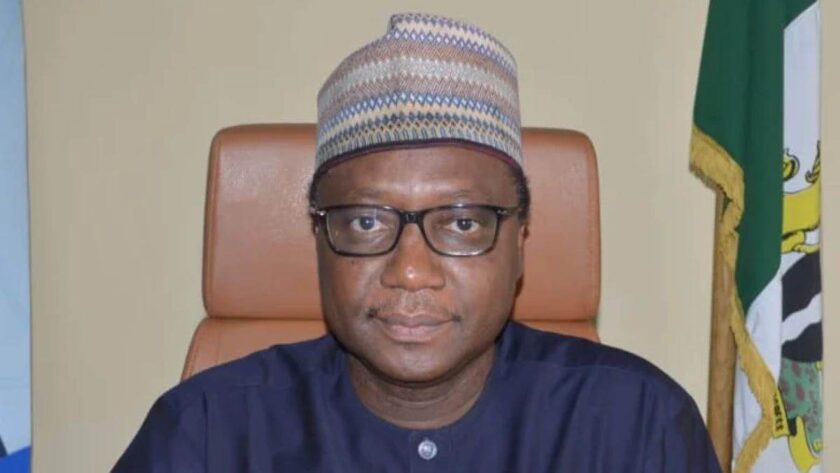
The Chairman of the commission, Dr Mohammed Shehu, disclosed this on Monday in Abuja at a two-day National Stakeholders’ Discourse themed “Enhancing Fiscal Efficiency and Revenue Growth under the Nigeria Tax Act, 2025.”
Shehu said the 2025 performance marked a notable improvement on revenues recorded in previous years, including N11.93 trillion in 2023 and N21.43 trillion in 2024. According to him, total gross accruals of N11.93 trillion in 2023 reflected the early impact of fiscal reforms initiated under the current administration.
He explained that inflows rose sharply in 2024 as a result of improved coordination among revenue-generating agencies, stronger audit processes and enhanced compliance mechanisms. These gains, he said, were sustained and exceeded in 2025.
“Accruals for January to October 2025 alone reached N23.06 trillion, surpassing the full-year figures of previous years,” Shehu noted.
The RMAFC chairman attributed the growth to a combination of fiscal discipline, expanded digital revenue tracking systems and reforms that broadened the revenue base across both oil and non-oil sectors. He added that the improved inflows had strengthened statutory allocations to the federal, state and local governments, while reducing revenue volatility and dependence on oil earnings.
Shehu reaffirmed the commission’s commitment to monitoring revenue accruals and safeguarding Federation Account revenues through transparency and accountability measures.
He also disclosed that the Nigeria Tax Act, scheduled to take effect in January 2026, was the outcome of extensive consultations by the Presidential Committee on Fiscal Policy and Tax Reform. He said the committee’s work culminated in four tax reform laws, which received presidential assent in June, aimed at streamlining tax administration, reducing compliance costs and strengthening revenue governance.
According to him, the new Tax Act harmonises previously fragmented tax laws, eliminates duplication, improves the ease of doing business and is expected to create a predictable, transparent and sustainable fiscal environment.
Shehu said the stakeholders’ discourse was convened to deepen understanding of the Act’s implementation and encourage informed engagement, urging participants to interact with experts and help address public misconceptions.
Also speaking, the Minister of Solid Minerals Development, Dr Dele Alake, said the constitutional and statutory mandate of the RMAFC remained central to Nigeria’s peace, stability and governance framework. He noted that the effective implementation of the Tax Act would require close collaboration among all tiers of government, legislative bodies, institutions and the private sector to properly assess fiscal implications and enhance efficiency.
Alake added that the solid minerals sector presents significant opportunities, including for renewable energy development, and assured of the government’s commitment to governance reforms, investment and partnerships to strengthen Nigeria’s fiscal architecture and maximise economic benefits. He was represented at the event by Mr Peluola Olusegun.
In his remarks, the Chairman of RMAFC’s Fiscal Efficiency and Budget Committee, Mr Desmond Akawor, described the Tax Act as a major milestone in Nigeria’s reform agenda. He said the reforms are designed to modernise tax administration, strengthen compliance frameworks, plug revenue leakages and expand the revenue base across all tiers of government.
“For these reforms to achieve their intended outcomes, active participation, cooperation and a shared understanding among all relevant stakeholders are indispensable,” Akawor said.
Meanwhile, the Chairman of the Presidential Committee on Tax Reforms, Mr Taiwo Oyedele, said the new tax reforms are aimed at creating a fairer, simpler and more efficient tax system that supports economic growth and boosts government revenue. He added that from January, Nigerians would no longer be required to pay certain basic taxes, including those related to food, shelter and education, among others.