





By Emmanuella Opara | October 20th 2026
KEY POINTS
- The Federal Government has confirmed an imported Ebola case in the Federal Capital Territory (FCT).
- Health authorities have identified 44 contacts for monitoring as contact tracing continues.
- Symptoms may include fever, headache, weakness, muscle pain, vomiting and diarrhoea.
- Ebola spreads through direct contact with the blood or body fluids of an infected person who is sick, or contaminated materials.
- Nigerians can call the NCDC toll-free line on 6232 for public health information and guidance.
MAIN STORY
Nigeria’s experience with Ebola dates back to July 2014, when an infected Liberian-American traveller, Patrick Sawyer, arrived in Lagos. The outbreak resulted in 20 confirmed and probable cases, including eight deaths, with healthcare workers among those infected.
Authorities responded by isolating patients, tracing and monitoring contacts, strengthening surveillance and conducting public awareness campaigns. On October 20, 2014, the World Health Organisation declared Nigeria free of Ebola transmission after the outbreak was successfully contained. The experience highlighted the importance of early detection, effective contact tracing, infection prevention and public cooperation in preventing further spread.
Following the Federal Government’s confirmation of an imported case of Ebola virus disease in the Federal Capital Territory (FCT), Nigerians need reliable information on how the infection spreads, the symptoms to watch for and the steps to take if they suspect exposure.
The Coordinating Minister of Health and Social Welfare, Prof. Muhammad Ali Pate, confirmed the case on Tuesday, October 20, following laboratory testing of a woman who recently travelled from Uganda.
The patient developed symptoms after returning to Nigeria and was admitted to a private hospital in the FCT, where she received treatment before the diagnosis was confirmed. She is currently in isolation and receiving medical care, while health authorities have identified 44 contacts for monitoring.
The Federal Ministry of Health and Social Welfare, the Nigeria Centre for Disease Control and Prevention (NCDC), the FCT Health Services Secretariat and other partners are working to contain the infection and prevent further transmission.
While the confirmation calls for vigilance, it does not mean that everyone in Nigeria has been exposed to the virus or that widespread transmission has occurred. The priority is to understand the risks, follow official guidance and seek medical assistance promptly when exposure is suspected.
How does Ebola spread?
Ebola is a serious viral disease that can cause severe illness. It spreads through direct contact with the blood or other body fluids of an infected person who is showing symptoms, or through contaminated objects and materials. Contact with the body of someone who has died from the disease can also result in transmission.
The virus does not spread through the air in the same way as influenza or COVID-19. People who have not developed symptoms do not transmit Ebola through ordinary contact. Understanding these transmission routes can help people take appropriate precautions without resorting to unnecessary panic.
What symptoms should you watch for?
Symptoms can develop between two and 21 days after exposure. Early warning signs include fever, headache, muscle pain, weakness and fatigue. Other symptoms may include sore throat, vomiting, diarrhoea and abdominal pain. Bleeding can occur in some cases but is not present in every patient.
These symptoms may resemble malaria and other common illnesses in Nigeria. Having a fever does not automatically mean a person has Ebola. However, anyone who develops symptoms after possible contact with an infected person or who has a relevant travel history should contact public health authorities for assessment.
What should you do if you suspect exposure?
Anyone who suspects they have been exposed should contact the NCDC or an appropriate public health authority promptly, even if they feel well.
If symptoms develop, seek medical advice by telephone before travelling to a hospital. Explain your symptoms and possible exposure, and follow instructions on where and how to receive care safely.
Do not attempt to diagnose or treat suspected Ebola at home or wait for severe symptoms before seeking help. Early reporting allows health officials to assess the risk and determine whether monitoring, testing or other interventions are required.
How can you protect yourself and your family?
Basic hygiene remains important. Nigerians should wash their hands regularly with soap and running water, avoid direct contact with the blood and body fluids of anyone suspected of having Ebola, and avoid sharing objects contaminated with such fluids.
People should also avoid handling the bodies of individuals suspected of dying from the disease unless the process is managed by trained personnel following public health protocols.
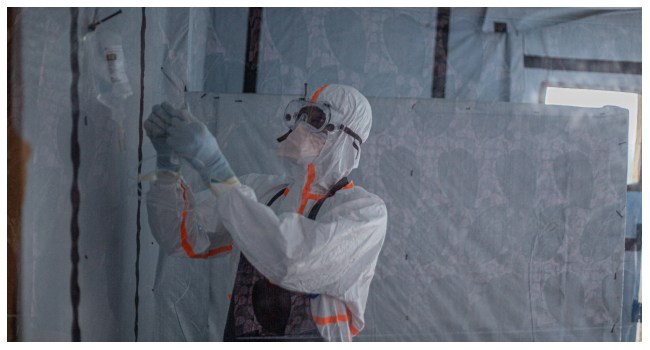
Healthcare workers and caregivers should follow professional infection prevention and control procedures, including the use of appropriate protective equipment when dealing with suspected cases.
Should you avoid public places or cancel travel?
The confirmation of an imported case does not, by itself, mean Nigerians need to stop going to work, attending school, visiting markets or carrying out other routine activities.
People should follow any specific instructions issued by health authorities and check official travel advisories before making decisions about journeys to affected areas. Travellers should also comply with applicable screening and health declaration requirements.
What happens to people who have been in contact with a patient?
Contact tracing involves identifying people who may have been exposed to an infected person and monitoring them for symptoms during the relevant period.
Being identified as a contact does not mean that someone has Ebola. Monitoring helps health officials detect possible infections early and reduce the risk of further transmission.
People contacted by health officials should provide accurate information about their movements and possible exposure and follow the instructions given to them.
Where can Nigerians get reliable information?
The Federal Government has urged Nigerians to remain calm, practise good hand hygiene, learn the symptoms and rely on verified information.
The NCDC lists 6232 as its toll-free call centre number for public health information and guidance. Nigerians should check the agency’s official website, ncdc.gov.ng, for current announcements and contact details.
Unverified messages, sensational claims and speculation about suspected patients can cause confusion and stigmatise people who may have had no exposure to the virus. Sharing accurate information and cooperating with health officials are more useful ways to support the response.
THE ISSUES
The central public health challenge is to identify possible exposures quickly, ensure appropriate medical care and prevent further transmission. Clear communication is essential because confusion about how Ebola spreads can lead to unnecessary fear, discrimination and unsafe responses.
The case also highlights the importance of surveillance at points of entry, infection prevention in healthcare facilities and public access to reliable guidance.
WHAT’S NEXT
Health authorities are continuing contact tracing, monitoring identified contacts and strengthening surveillance. The public should follow updates from the Federal Ministry of Health and Social Welfare and the NCDC as further information becomes available.
Anyone who suspects exposure should seek guidance through official public health channels rather than relying on rumours or unverified social media messages.
BOTTOM LINE
Nigeria’s confirmed Ebola case calls for vigilance, not panic. Understanding the symptoms, knowing how the virus spreads, reporting suspected exposure promptly and following official health guidance are practical steps Nigerians can take while authorities work to contain the infection. These lessons remain relevant as Nigerian health authorities respond to the newly confirmed case in the Federal Capital Territory.