







Nigeria’s foreign exchange market opened the new trading week on a cautiously steady note, with the naira navigating mild volatility as early-year demand dynamics continue to shape currency flows across both official and informal markets.
Naira Holds Firm at the Official FX Window
Data from the Nigerian Foreign Exchange Market (NFEM) show that the naira maintained relative stability against the US dollar during Monday’s session. The local currency began trading at around ₦1,426.69 per dollar before strengthening slightly as transactions progressed. By midday, the exchange rate hovered near ₦1,423.82 per dollar.
The marginal appreciation represents a gain of roughly 0.20 percent and aligns with ongoing efforts by the Central Bank of Nigeria (CBN) to deepen price transparency and ensure improved liquidity in the official market. Analysts note that today’s turnover figures will be closely monitored, as they provide insight into the scale of corporate dollar demand at the start of January.
Market participants say the CBN’s approach to FX allocation and settlement remains a key stabilising factor, particularly as businesses resume import-related activities following the holiday slowdown.
Dollar Trades Higher in the Parallel Market
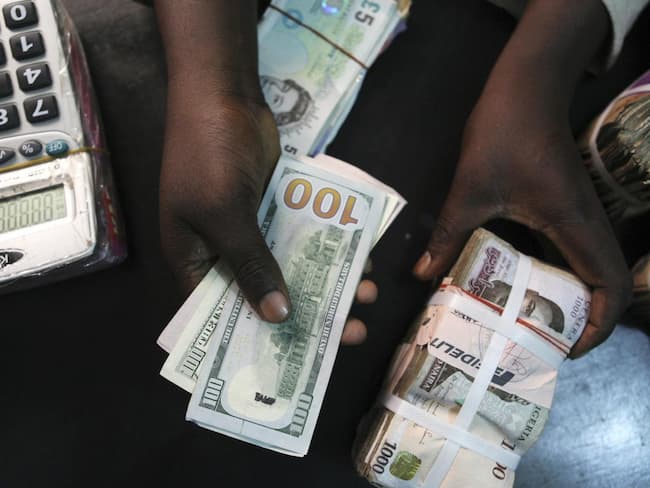
Outside the official market, the naira continued to trade weaker in the parallel segment of the foreign exchange market. Currency dealers in major commercial centres, including Lagos and Abuja, reported dollar transactions ranging between ₦1,475 and ₦1,490.
The persistent premium between the official and parallel markets remains a focal point for analysts tracking FX convergence. While the NFEM serves institutional investors and large-scale transactions, the parallel market continues to absorb retail demand and informal transactions, particularly for individuals and small businesses with limited access to official channels.
Outlook for the Week Ahead
Market observers attribute the relative calm in today’s trading to stable crude oil receipts and the CBN’s sustained monetary tightening stance. Nonetheless, pressure may build as importers increase dollar requests for first-quarter shipments, a trend that could test the current equilibrium.
Attention is now turning to possible policy signals from financial authorities, which may influence market sentiment and currency direction as economic activity gains momentum in the weeks ahead.