



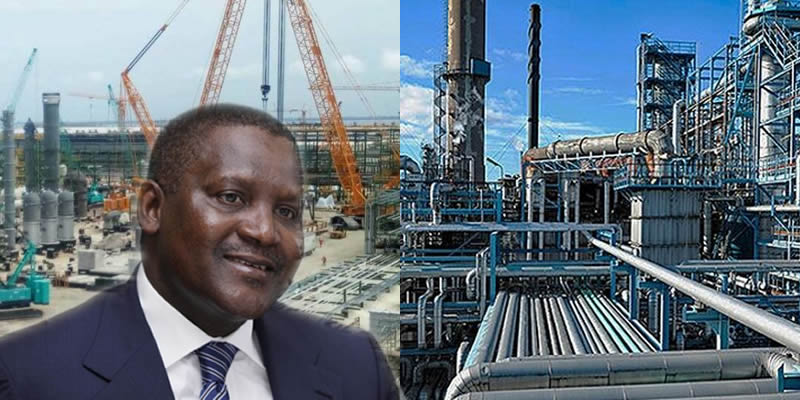
The Dangote Refinery has officially kicked off its nationwide free petrol distribution programme, a move it describes as a “game-changing step” in reshaping Nigeria’s energy landscape. The initiative comes amid sharp criticism from industry unions and petroleum marketers who argue that the plan is unrealistic and potentially disruptive.
Already, hundreds of Dangote-branded trucks have begun fuel deliveries across the country, with a strong presence observed along the Lekki-Epe Expressway in Lagos. According to company disclosures, Dangote Industries invested a staggering N720 billion to import 4,000 compressed natural gas (CNG) trucks, though only about 1,000 are currently operational.
The scheme is projected to cut retail fuel prices and save the nation an estimated N1.7 trillion annually in distribution costs. Under the new template, the refinery fixed its ex-depot price at N820 per litre, with retail pump prices ranging between N841 and N851 across states.
Despite these promises, reactions from stakeholders have been mixed. The Nigeria Union of Petroleum and Natural Gas Workers (NUPENG) dismissed the free fuel plan as a “Greek gift,” while the Depot and Petroleum Products Marketers Association of Nigeria (DAPPMAN) questioned the sustainability of Dangote’s pricing model.
In a swift rebuttal, the refinery accused its critics of orchestrating an economic sabotage campaign, suggesting their resistance is rooted in fear of losing grip over Nigeria’s fuel distribution chain. The company cited previous sector controversies, including a 2022 incident when a DAPPMAN member supplied petrol laced with methanol levels above 15%, causing widespread engine failures.
Energy experts remain divided. Professor Wumi Iledare, a petroleum economics specialist, described Dangote’s investment in CNG trucks as forward-thinking, with the potential to lower costs, promote natural gas usage, and reduce carbon emissions. However, he cautioned that unchecked dominance could destabilize the industry, calling for firm regulatory oversight to prevent monopolistic practices.
As the refinery continues rolling out its nationwide delivery network, its impact on pricing, competition, and energy security is expected to dominate conversations in Nigeria’s oil and gas sector.