




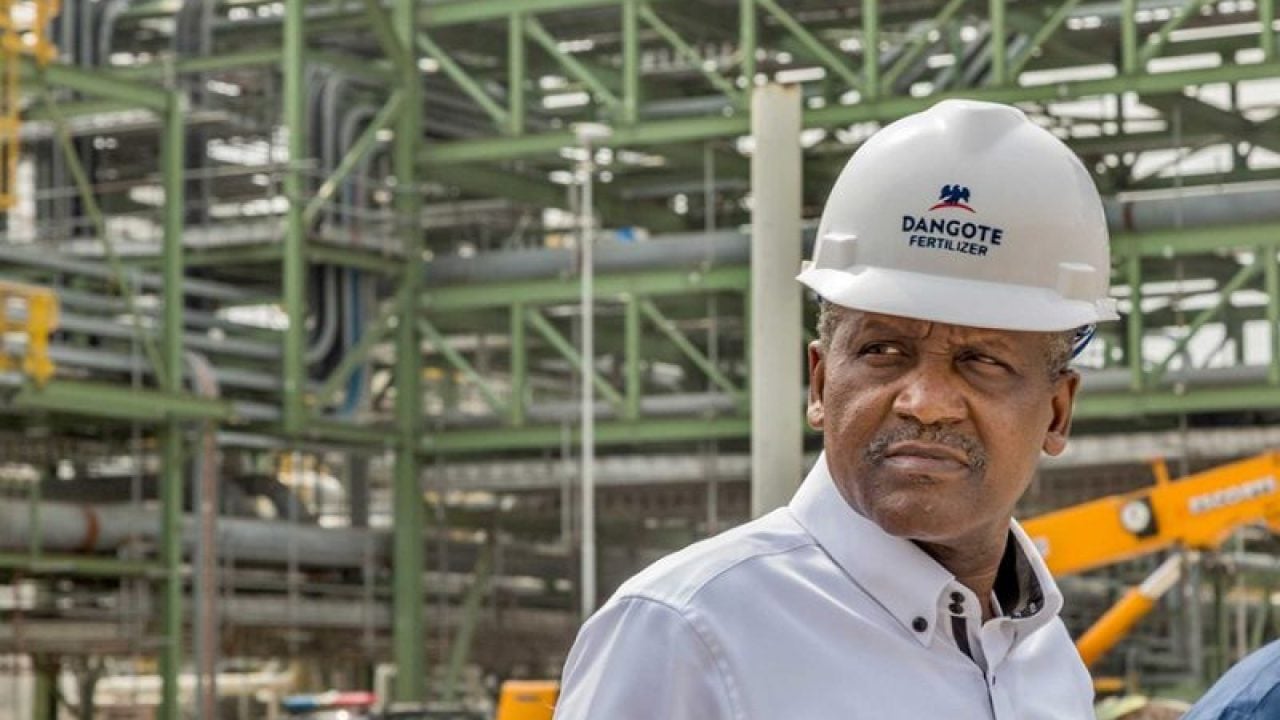
Fresh controversy has erupted in Nigeria’s downstream oil sector as fuel importers allege that the Dangote Petroleum Refinery sells petrol to international traders at prices significantly lower than what it offers to Nigerian marketers.
According to the Depot and Petroleum Products Marketers Association of Nigeria (DAPPMAN) and the Petroleum Products Retail Outlet Owners Association of Nigeria (PETROAN), the refinery provides foreign buyers with discounts of up to N65 per litre compared to domestic marketers.
The allegations surfaced just as Dangote announced a reduction in its petrol price, lowering pump rates from N865 per litre to N841 in Lagos and the South West, and to N851 in Abuja, Edo, and Kwara, alongside the rollout of its direct fuel distribution scheme.
Speaking in an interview, DAPPMAN Executive Secretary, Olufemi Adewole, claimed that members of the association had purchased petrol from traders in Lomé, Togo — who originally sourced the product from Dangote — at rates cheaper than those offered directly to Nigerian marketers.
Adewole stated that efforts to secure products directly from the refinery often proved unprofitable due to higher pricing and restrictive conditions. “Dangote is selling to international traders at N65 cheaper than what he sells to us. Some of our members end up buying from those traders and still bring the product back into Nigeria,” he alleged.
He further criticized Dangote’s strategy of reducing prices whenever competing importers bring cargoes into the country, suggesting it was a deliberate attempt to destabilize the market.
PETROAN’s President, Billy Gillis-Harry, backed DAPPMAN’s claims, saying, “It is true, Dangote’s petrol is cheaper in Lomé than in Nigeria. DAPPMAN is correct.”
However, Dangote Refinery dismissed the accusations, with a company spokesperson suggesting that industry unions, including the Nigerian Union of Petroleum and Natural Gas Workers (NUPENG), were being influenced by DAPPMAN. The spokesperson insisted that the refinery’s free delivery programme, set to begin on Monday, would make fuel more affordable nationwide.
DAPPMAN countered, stating that the so-called “free delivery” still required marketers to lift at least 25% of their allocations using Dangote-owned trucks, adding extra costs.
Adewole also stressed that Nigeria’s downstream sector should not depend solely on Dangote’s facility, noting that the refinery currently contributes only about 30–35% of the nation’s fuel demand, with the balance met by importers under the supervision of the Nigerian Midstream and Downstream Petroleum Regulatory Authority (NMDPRA).
The refinery, meanwhile, announced it would deploy compressed natural gas-powered trucks as part of its logistics programme, with gantry prices expected to fall to N820 per litre, leading to lower pump prices in key states.