







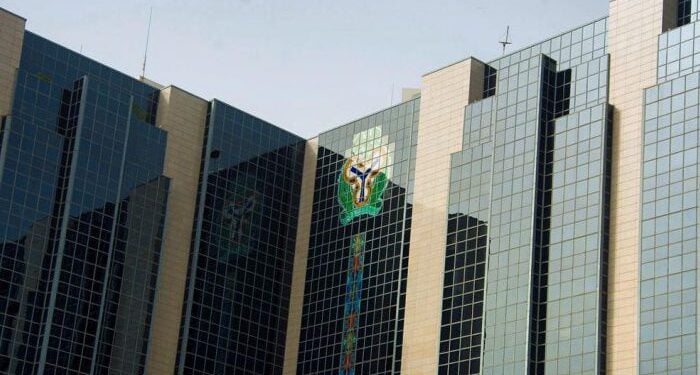
The Central Bank of Nigeria (CBN) has laid out its core strategic focus for the year 2026, outlining a comprehensive agenda centred on strengthening the financial system, advancing price stability, modernising payment channels, and expanding financial inclusion. Governor Olayemi Cardoso revealed the priorities during the 60th Annual Bankers’ Dinner hosted by the Chartered Institute of Bankers of Nigeria.
According to the CBN, the institution intends to reinforce banking-sector resilience, enhance regulatory frameworks, foster responsible fintech growth, and deepen institutional capacity in the coming year. The Bank also aims to broaden stakeholder collaboration and consolidate Nigeria’s standing as a credible and globally respected monetary authority.
Commitment to Transparency and Evidence-Based Operations
Cardoso highlighted the Bank’s efforts over the past year, noting that policies have remained aligned with its pledge to restore macroeconomic stability and rebuild public trust.
He emphasized that the CBN has maintained consistency and clarity in its policy direction, stating that transparency has been the foundation of recent decisions. He added that the resilience of Nigerians continues to drive the Bank’s commitment to improving internal governance, strengthening data analysis, and ensuring that each policy action is grounded in credible evidence.
The Governor disclosed that more than 12 million contactless cards are now active nationwide, demonstrating rapid adoption of digitised payment channels. The CBN’s regulatory sandbox has also grown to accommodate over 40 fintech innovators, facilitating controlled experimentation and ethical scaling of digital-finance solutions.
Revised agent-banking guidelines have tightened anti-money-laundering measures, including geo-fencing high-risk zones, while boosting consumer protection across underserved areas.
Maintaining Economic Stability
Cardoso reiterated that although security issues fall outside the Central Bank’s mandate, the Bank remains sensitive to the economic consequences of insecurity and is optimistic that government interventions will yield progress.
He stressed that Nigeria’s ongoing economic diversification has helped shield the country from external shocks, particularly volatility in the global oil market.
The Bank reaffirmed its determination to gradually reduce inflation, insisting that current double-digit levels are unacceptable. Cardoso said the ongoing transition toward a clear inflation-targeting regime is being strengthened by improved data systems, transparent communication, and the complete discontinuation of monetary financing of fiscal deficits.
He affirmed with emphasis that the CBN will not return to financing fiscal deficits under any circumstances.




 has laid out its core strategic focus for the year 2026, outlining a comprehensive agenda centred on strengthening the financial system, advancing price stability, modernising payment channels, and expanding financial inclusion.)