




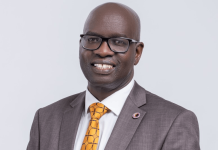
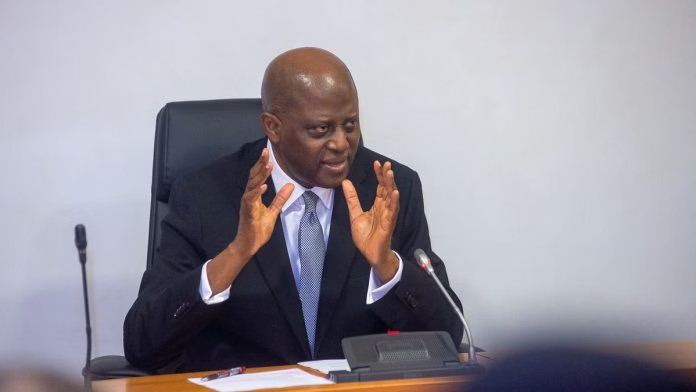
The Governor of the Central Bank of Nigeria (CBN), Olayemi Cardoso, says the country has built substantial buffers and resilience against potential economic shocks through proactive policy measures and early structural adjustments.
Speaking during a media briefing by the Group of 24 (G-24) on the sidelines of the ongoing IMF/World Bank Annual Meetings in Washington D.C., Cardoso said Nigeria’s recent economic reforms have positioned it more securely to absorb external pressures.
“Nigeria was fortunate to have implemented key reforms earlier than expected, which enabled us to build resilience and buffers against potential shocks,” the CBN governor said.
He noted that those closely monitoring Nigeria’s macroeconomic performance have expressed confidence in the policy direction. “For us, oil remains the most exposed commodity, but the impact has been modest so far,” he added.
Cardoso also pointed out that Nigeria’s exchange rate unification has made the naira more competitive, helping the country achieve a positive balance of trade surplus, which is now expected to hover around 6% of GDP over the coming quarters.
He explained that the country is undergoing a complete economic restructuring, with a market-reflective currency that encourages domestic production and reduces reliance on imports.
Speaking further on the role of the G-24, Cardoso praised the group’s leadership under Argentina for strengthening the collective influence of emerging economies within global financial institutions such as the Bretton Woods system.
“The G-24 has successfully secured a stronger and more effective seat at the table, ensuring that developing economies have their voices heard in shaping global financial policy. This represents significant progress, and I believe these efforts will deepen further in the years ahead,” Cardoso said.