






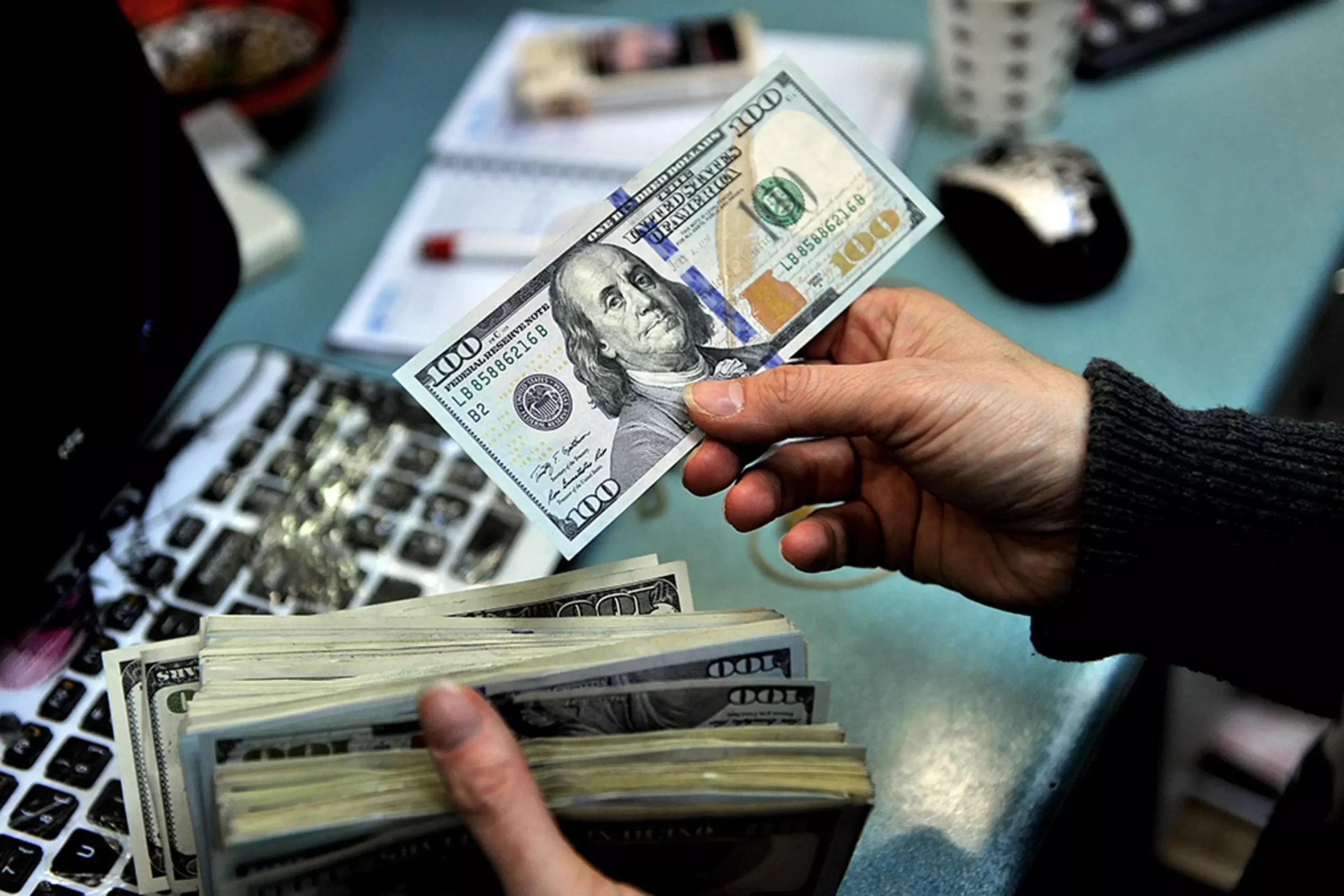
The British pound extended its upward trajectory against the U.S. dollar for a third consecutive session, buoyed by heightened political uncertainty in Washington and investor fears of a looming U.S. government shutdown.
Market data showed the sterling trading at 1.3461 against the dollar, up 0.20 percent, as traders dumped the greenback amid concerns that the political stalemate could delay critical economic data releases, including Friday’s Nonfarm Payrolls report.
Recent U.S. figures revealed job openings inching higher in August, climbing from 7.208 million in July to 7.227 million – above expectations of 7.2 million. However, consumer confidence fell sharply, slipping to 94.2 in September from 97.8, according to the Conference Board, missing forecasts of 96.0.
Meanwhile, UK economic indicators offered a brighter outlook, with second-quarter GDP expanding 1.4 percent year-on-year, higher than both the consensus and the previous estimate of 1.2 percent. Despite this, analysts noted that sterling’s strength was largely driven by U.S. dollar weakness rather than domestic fundamentals.
Though GBP/USD is on track to close the month with a modest decline of 0.40 percent, economists believe central bank policy divergence could sustain the pound’s upward momentum.
Speaking at Labour’s annual party conference in Liverpool, UK Chancellor of the Exchequer Rachel Reeves acknowledged the government’s difficult fiscal position, pledging to keep “taxes, inflation, and interest rates as low as possible.” She, however, signaled that November’s budget may include tax hikes, citing global instability and the economic damage inherited from past administrations.
“The world has changed. Wars in Europe and the Middle East, U.S. tariffs, and higher global borrowing costs have made our choices tougher,” Reeves said in a BBC interview before her conference speech.
She criticised former Prime Minister Liz Truss for exacerbating mortgage costs with her controversial mini-budget, while stressing that the Labour government would take a “responsible approach” to public finances.
Market analysts say Reeves’ remarks, coupled with ongoing U.S. political gridlock, have bolstered confidence in sterling’s medium-term outlook despite short-term volatility.