





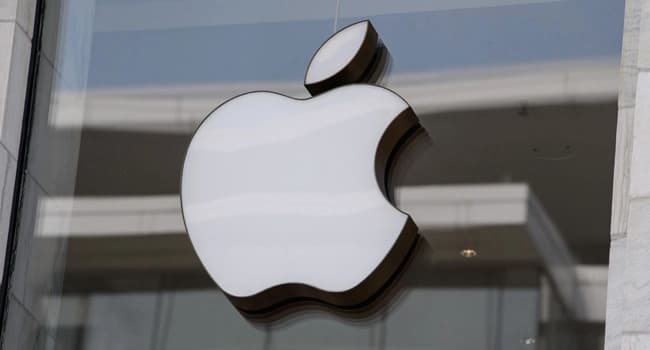
Apple’s head of artificial intelligence, John Giannandrea, is stepping down after a turbulent seven-year run that included delays, restructuring and a slow entry into the generative AI era. He will leave the company completely in the spring after a short transition period.
Giannandrea, who joined Apple from Google, oversaw machine learning strategy and early development of Apple Intelligence. However, the company struggled to keep pace with rivals such as OpenAI, Google and Microsoft during his tenure.
Apple entered the generative AI race two years after ChatGPT reshaped the industry, and its first version of Apple Intelligence was widely described as underwhelming. A major upgrade to the Siri voice assistant was also delayed.
Instead of naming a replacement, Apple is dividing its AI organisation. Staff will now report to Craig Federighi, Sabih Khan and Eddy Cue, depending on their functions.
AI researcher Amar Subramanya has joined the company as Vice President of Artificial Intelligence and will lead foundation models, AI research, safety and evaluation.
What Apple’s Turbulent AI Era Meant for Customers
Giannandrea’s leadership had direct effects on how Apple users experienced their devices. Here is how the slow AI rollout appeared on the customer side.
1. Siri Fell Behind While Competitors Improved
While ChatGPT and Google Assistant evolved into conversational and context-aware tools, Siri barely improved. Customers were left with an assistant that required rigid and exact phrasing, offered only shallow understanding of context, and frequently produced errors even with simple tasks. It also lacked generative abilities such as summarising, rewriting or basic reasoning. Over time, Siri became widely seen as the weakest link in an otherwise premium Apple ecosystem.
2. Apple Intelligence Arrived Late and Felt Limited
By the time Apple launched Apple Intelligence, the market had already matured, and users noticed the difference. They saw fewer generative features than competitors, a slower and more limited rollout across devices, and models that were not as powerful as those on Android and Windows. Many early features were also missing or marked as “coming soon.” All of this created consumer frustration and lowered the excitement around Apple’s “AI moment.”
3. Inconsistent Experience Across Devices
Because Apple’s AI strategy wasn’t unified, features varied widely across devices, and customers noticed the inconsistency. Some AI features appeared only on the latest iPhones, while older but still expensive models were excluded. This created gaps between expected functionality and what was actually available. The experience contradicted Apple’s usual promise of seamless consistency.
4. Unclear AI Identity and Messaging
Apple traditionally defines categories like smartphones, tablets, and wearables, but in AI the company struggled to present a clear vision. Users felt uncertainty about what Apple Intelligence actually is, found the messaging about its capabilities unclear, and received mixed signals about Apple’s direction. This made the company appear reactive rather than innovative.
5. The Delayed Siri Upgrade Affected Daily Use
The Siri overhaul, intended as Apple’s AI comeback, was delayed from Spring 2025 to Spring 2026. For users, this meant the daily assistant remained outdated, improved automation, reasoning, and task handling stayed unavailable, and competing assistants offered features that Apple users could only watch from afar. The delay further damaged perceptions of Apple’s technological leadership.
What Comes Next for Customers
Apple is now restructuring in order to correct these weaknesses. Subramanya will oversee foundational AI work. Craig Federighi will manage software level integration. Apple is also preparing a stronger version of Siri and deeper generative features across iPhone and Mac.
Customers can expect:
- A more unified and consistent AI strategy
- A clearer rollout of Apple Intelligence features
- A significant upgrade to Siri in 2026
- More advanced on device intelligence powered by Apple Silicon