




Keypoints
- European and Asian buyers are pivoting toward African oil and gas producers to avoid high insurance premiums and delivery risks associated with the Middle East.
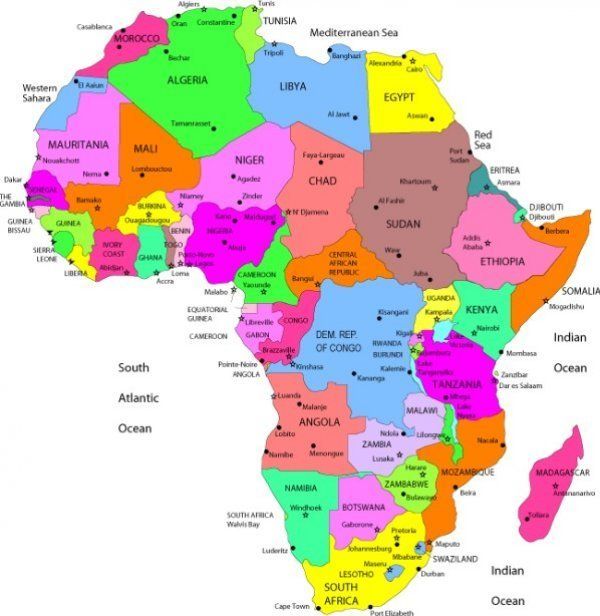
- Industry experts identify Nigeria, Libya, Angola, Gabon, Mozambique, Namibia, and Tanzania as “lower-risk” alternatives during the current geopolitical turmoil.
- The ongoing U.S.-Israel-Iran crisis has disrupted 20% of the world’s liquefied natural gas (LNG) supply and millions of barrels of crude oil daily.
- Analysts suggest Africa’s “geographically insulated” position makes it the primary long-term winner of the shift away from the Strait of Hormuz.
Main Story
As the conflict in the Middle East continues to destabilize global energy markets, Africa’s leading oil and gas nations are experiencing a surge in demand from international buyers.
With the Strait of Hormuz effectively blocked—stalling nearly a fifth of the world’s LNG supply—European and Asian energy firms are seeking more predictable delivery schedules.
Experts note that African producers offer a strategic advantage: lower insurance premiums and transport routes that remain largely untouched by the high-risk zones of the Persian Gulf.
Established giants like Nigeria, Angola, and Libya are being joined by emerging energy frontiers such as Namibia, Tanzania, and Mozambique as preferred suppliers.
According to market analysts, these nations are now viewed as the most viable long-term alternatives for crude and natural gas. This geographic insulation allows African energy exports to bypass the volatility of Middle Eastern “chokepoints,” providing a stable flow of energy to a world currently grappling with the largest oil disruption in history.
The Issues
The primary challenge for African producers is the “infrastructure readiness” required to meet this sudden spike in demand. While nations like Mozambique and Tanzania possess vast LNG reserves, many projects are still in the development or expansion phases. Furthermore, while Africa is geographically insulated from the Middle East war, internal security challenges in regions like the Cabo Delgado province in Mozambique or the Niger Delta in Nigeria remain focal points for investors. Solving these localized stability issues is critical for Africa to fully capture the market share being vacated by Middle Eastern suppliers.
What’s Being Said
- “Africa’s energy giants could emerge as the primary long-term winners, thanks to a geography that remains ‘largely insulated’ from major conflict zones,” stated market analysts following the G7 energy summit.
- Industry experts have noted that the “U.S.-Israel-Iran crisis has upended global energy markets,” making predictability the new top priority for buyers.
- European energy attaches have reportedly increased diplomatic engagements with African oil ministers to secure “predictable delivery schedules” for the 2026-2027 season.
- Energy consultancy firms highlight that the shift is driven by “lower insurance premiums,” as shipping through the Gulf of Guinea or the Cape of Good Hope avoids the high-risk war zones of the North Arabian Sea.
What’s Next
- Expect an influx of Foreign Direct Investment (FDI) into African pipeline and liquefaction projects as Western powers seek to diversify away from Middle Eastern dependence.
- The African Petroleum Producers’ Organization (APPO) is likely to coordinate more closely on regional security to reassure international buyers of long-term stability.
- Global shipping firms may permanently reroute a larger portion of their fleets toward West and East African ports to capitalize on the new “Atlantic-oriented” energy trade.
Bottom Line
The Middle East’s loss is rapidly becoming Africa’s gain. By offering a combination of geographic safety and vast untapped reserves, the continent’s energy leaders are positioned to become the new backbone of global energy security in an increasingly volatile world.