








International travel is an important part of doing business, particularly for corporate leaders seeking new markets, investment opportunities, partnerships and global connections. However, travelling abroad for business requires more than booking a flight and attending meetings.
From understanding immigration requirements to managing travel expenses and navigating different business cultures, proper preparation can influence the success of an international business trip.
For corporate business leaders, knowing what to expect before departure can help prevent unnecessary disruptions, protect business interests and ensure that valuable time abroad is used effectively.
Here are seven important things every corporate business leader should know before travelling internationally.
1. Check passport and visa requirements early
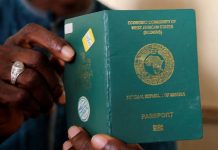
A valid passport is essential for international travel, but business leaders must also understand the specific entry requirements of their destination.
Some countries require business visas, invitation letters from host organisations, proof of accommodation or other supporting documents. Others may require electronic travel authorisations before departure.
Executives should confirm these requirements well ahead of scheduled meetings, conferences or business engagements. They should also check passport validity periods and ensure that all necessary documentation is available to avoid delays that could affect important business commitments.
2. Prepare a realistic business travel budget
International business trips involve expenses beyond flight tickets and hotel reservations. Transportation, meals, conference fees, client entertainment, communication services and other operational costs can increase the overall travel budget.
Corporate leaders should establish a realistic spending plan before departure and account for currency exchange fluctuations and international transaction charges.
For businesses sending employees abroad, it is also important to establish clear expense limits, approval procedures and reimbursement arrangements. Proper financial planning helps prevent unnecessary spending and makes it easier to assess the value of the trip.
3. Choose accommodation that supports business activities
The location and quality of accommodation can affect how efficiently a business leader manages an international schedule.
Staying close to meeting venues, conference centres, clients or commercial districts can reduce commuting time and make it easier to attend multiple engagements.
Before making reservations, executives should consider reliable internet access, meeting facilities, transport connections, security and flexible check-in arrangements. They should also review cancellation policies and additional charges.
Choosing accommodation based on business needs rather than price alone can improve productivity throughout the trip.
4. Understand local business culture and professional etiquette
Business practices differ across countries. Approaches to negotiations, communication, punctuality, introductions and professional relationships may vary considerably from one market to another.
Corporate leaders should research the business culture of their destination before attending meetings or negotiating agreements. Understanding local expectations can help prevent misunderstandings and create a positive impression among potential partners and clients.
Learning basic greetings in the local language, observing appropriate dress standards and respecting meeting protocols can also make business interactions more effective.
5. Arrange appropriate travel insurance
Unexpected situations such as medical emergencies, lost luggage, flight cancellations and travel delays can disrupt business schedules and lead to additional expenses.
Corporate leaders should ensure that their travel insurance provides suitable protection for the nature and duration of their trips. Depending on the policy, coverage may include medical expenses, emergency assistance, baggage loss and travel disruptions.
Businesses should also review exclusions, coverage limits and emergency procedures before departure. For companies with employees travelling regularly, having an appropriate corporate travel insurance arrangement can help manage some of the risks associated with international assignments.
6. Secure important business documents and information
International business travel often involves carrying sensitive documents, financial information, contracts, presentations and other confidential materials.
Executives should organise their passports, visas, flight details, accommodation reservations, meeting schedules and business documents before departure. Secure digital backups can provide access to essential information if physical copies are lost.
Cybersecurity should also be a priority. Business leaders should use secure internet connections, protect their devices with strong passwords and exercise caution when accessing confidential company information through public networks.
Keeping emergency contacts, including the nearest embassy or consulate, business associates and relevant company personnel, readily accessible is equally important.
7. Prioritise personal safety and business security
Travelling to an unfamiliar country requires awareness of local conditions, transportation systems and potential security risks.
Corporate leaders should research their destination, use reputable transportation services and avoid exposing valuable belongings or sensitive business equipment unnecessarily.
Businesses should also consider whether their executives require additional security arrangements, particularly when travelling to unfamiliar or higher-risk locations.
Sharing travel itineraries with relevant colleagues, maintaining communication with the home office and understanding local emergency procedures can help reduce risks during the trip.
Conclusion
Successful international business travel begins long before departure. For corporate leaders, preparation involves more than arranging flights and accommodation; it requires careful attention to immigration rules, financial planning, business culture, information security and personal safety.
By taking these factors into account, executives can reduce avoidable disruptions, make better use of their time abroad and approach international engagements with greater confidence.
Ultimately, a well-planned business trip can do more than facilitate meetings. It can help strengthen partnerships, open access to new markets and create opportunities for long-term corporate growth.