




Key Points
- The NCDC has identified and followed up 53 contacts linked to Nigeria’s confirmed Bundibugyo Ebola case in the FCT.
- The 42-year-old female patient has reportedly improved and remains under medical care in isolation.
- Laboratory confirmation was made on October 20 after the patient developed symptoms following travel from Uganda.
- Health authorities have activated a national response, strengthened surveillance and urged Nigerians to cooperate with contact-tracing teams.
Main Story
Nigeria’s response to its confirmed Ebola case is intensifying, with the Nigeria Centre for Disease Control and Prevention (NCDC) identifying and following up 53 people who may have been exposed to the infected patient.
The NCDC Director-General, Dr Jide Idris, disclosed the development at a media conference in Abuja on Sunday. He said the 42-year-old woman was responding well to treatment and remained under medical care in isolation.
According to the NCDC’s Ebola Disease Situation Report dated October 24, the patient returned from Uganda through Addis Ababa on October 3. She developed symptoms, including fever, diarrhoea, generalised body aches and a sore throat, on October 7.
She first sought treatment at a private health facility on October 10 before being admitted to another private facility the following day.
The NCDC was notified of the case on October 19. Following an investigation and sample collection, the agency’s National Reference Laboratory confirmed the infection on October 20.
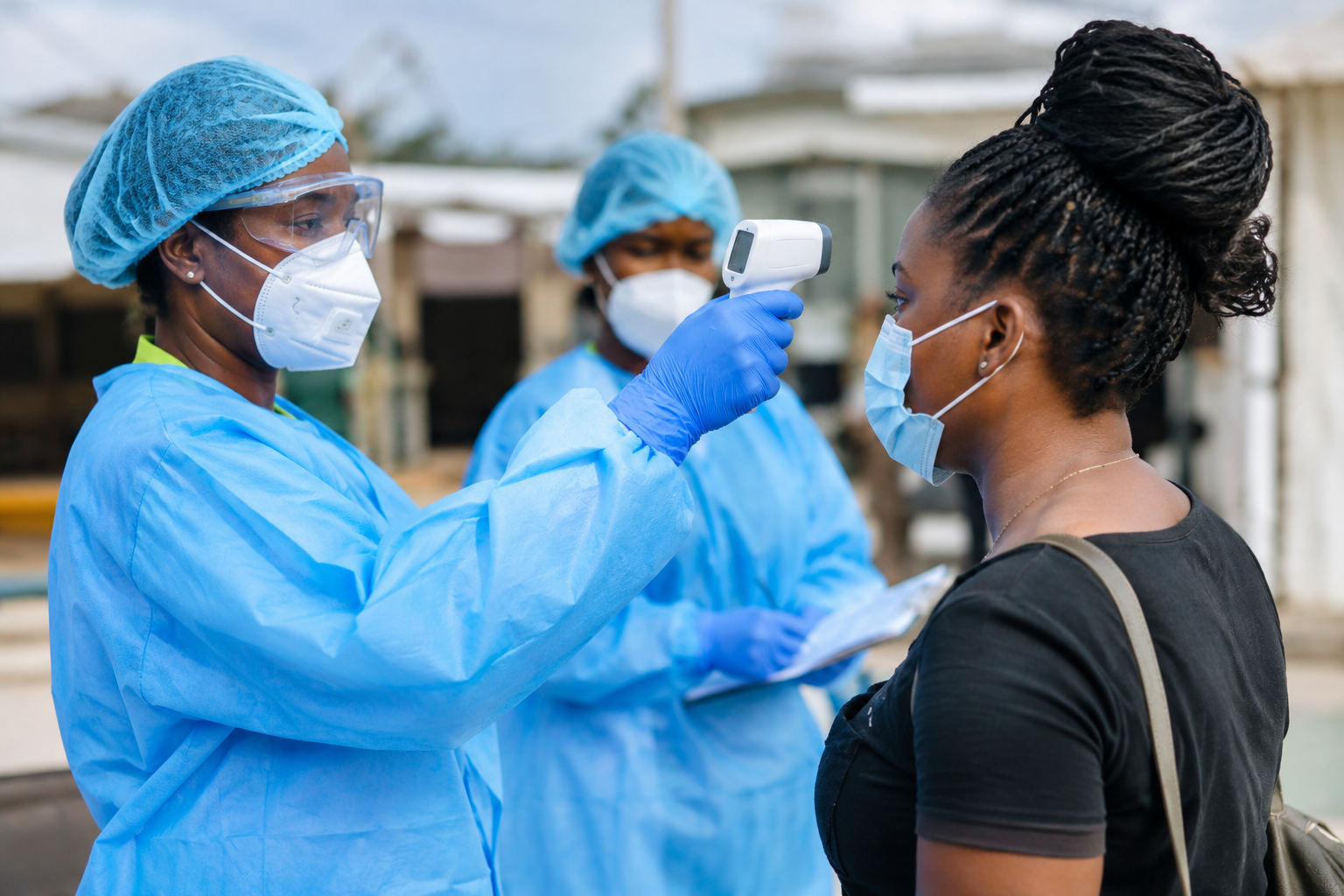
The 53 contacts identified so far include healthcare workers, domestic staff and the patient’s spouse. Public health teams are tracing possible exposures and monitoring identified contacts for 21 days after their last potential exposure.
Idris urged anyone contacted by health officials to cooperate and provide accurate information to help prevent further transmission.
The Issues
Ebola is a serious infectious disease that can spread through direct contact with the blood or other body fluids of an infected person who is symptomatic, or with contaminated materials. Early identification, isolation, infection prevention and contact tracing are essential to controlling an outbreak.
The NCDC has activated the national Incident Management System at its highest level to coordinate the response.
The agency is also conducting diagnostic testing and laboratory surveillance. Genomic sequencing of the confirmed case has been completed by the NCDC National Reference Laboratory and the African Centre of Excellence for Genomics of Infectious Diseases.
Meanwhile, a suspected Ebola case reported by Rivers State on October 23 tested negative, with the result communicated to the state.
What’s Being Said
Idris said the University of Abuja Teaching Hospital had undergone a needs assessment and optimisation exercise to prepare it for isolation and treatment.
Assessments of infection prevention and control measures have also been conducted across states and healthcare facilities. The NCDC is engaging with the facility currently managing the patient.
The agency has strengthened its stockpile of personal protective equipment and other essential supplies, including 500 donated laboratory testing kits. Surveillance at Nigeria’s points of entry and public awareness activities are also continuing.
What’s Next
Contact tracing and monitoring remain central to the response. Health teams will continue identifying potentially exposed people and checking for symptoms during the 21-day monitoring period.
The NCDC has advised anyone who develops symptoms after possible exposure to contact public health authorities and follow their instructions before visiting a healthcare facility.
Bottom Line
Nigeria’s ability to contain the Ebola case will depend on rapid detection, effective contact tracing and cooperation between health authorities and the public.
The NCDC has urged Nigerians to practise regular hand hygiene, avoid contact with the blood and body fluids of suspected cases, and report possible exposure promptly.
It also appealed to the public to remain calm, avoid stigmatising affected people and rely on verified information from official health sources.