





Key points
- August contracts for North Sea Brent crude traded at 82.76 dollars on Tuesday morning, representing a minor decrease of under 0.5 per cent.
- Crude markets have stabilized around the 83-dollar mark following a sharp price drop caused by the U.S.-Iran framework agreement.
- State media confirmed that the first Iranian oil tankers and cargo vessels successfully navigated the Gulf of Oman blockade zone without incident.
- The formal signing of the bilateral accord is scheduled to take place this Friday in Switzerland.
- Continued market uncertainty remains driven by a lack of public operational details regarding the opening of the Strait of Hormuz.
Main Story
Oil prices showed little movement in early trading on Tuesday as markets continued to assess the implications of a framework agreement between the United States and Iran aimed at ending the war.
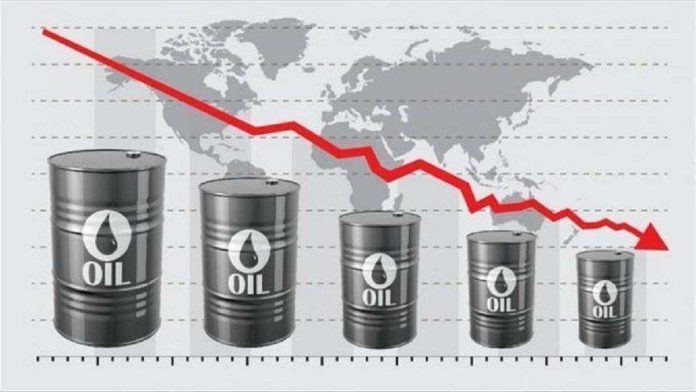
The August contract for a barrel of North Sea Brent crude traded at $82.76, down just under 0.5 per cent from the previous day’s close.
Prices have largely stabilised around the $83 mark following sharp declines over the weekend and early Monday after news emerged of the framework agreement between Washington and Tehran.
Meanwhile, Iranian state media reported that the first vessels had crossed the Gulf of Oman, an area previously affected by a U.S. naval blockade.
According to Press TV, at least three oil tankers and two cargo ships passed through the zone on Monday evening without incident.
The framework agreement intended to end the conflict is expected to be formally signed in Switzerland on Friday.
One of the most contentious issues during negotiations was the reopening of the Strait of Hormuz, a strategic shipping route through which a significant share of the world’s oil exports passes.
Despite progress toward a peace agreement, uncertainty remains in the market as details of the deal have yet to be released.
U.S. Vice President JD Vance said the text of the agreement would only be published after the formal signing ceremony.
The Issues
- Sustaining market stability ahead of the formal diplomatic signing ceremony in Europe.
- Clarifying the specific timeline and legal framework for permanently reopening the Strait of Hormuz shipping corridor.
- Overcoming investor hesitation caused by the current withholding of the official treaty text.
What’s Being Said
- Reporting on physical shipping movements, the Iranian state broadcaster Press TV stated that at least three oil tankers and two cargo ships passed through the zone on Monday evening without incident.
- Outlining the timeline for public disclosure, U.S. Vice President JD Vance confirmed that the text of the deal is only set to be published after the signing.
What’s Next
- Energy traders will monitor international desks for any preliminary leaks of the maritime transit clauses ahead of Friday.
- Diplomatic envoys from both nations will convene in Switzerland to execute the formal signing of the peace framework.
- Clearing agents and naval authorities will establish protocols for the unhindered passage of commercial fleets through the Gulf of Oman.
Bottom Line Global oil prices held steady at around 83 dollars per barrel as the first Iranian shipping vessels successfully cleared the U.S. naval blockade zone ahead of the formal treaty signing in Switzerland this Friday.