





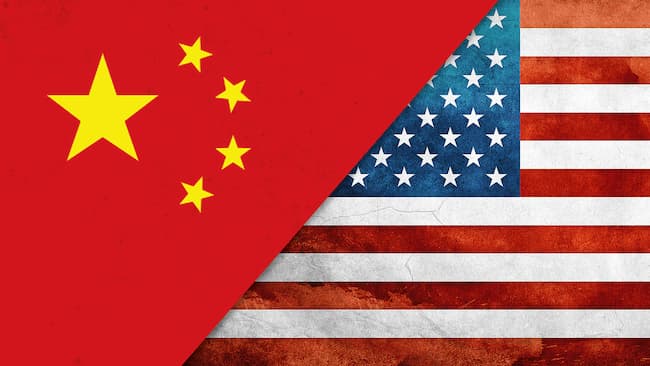
The Chinese government has issued a stinging rebuttal to a new United States bill that accuses Chinese mining firms of financing Fulani militias in Nigeria. In an official statement released by the Chinese Embassy in Abuja on Thursday, February 12, 2026, Beijing described the allegations as “completely baseless” and “seriously irresponsible.”
The embassy expressed “strong dissatisfaction” with the US lawmakers, asserting that China maintains a zero-tolerance policy for illegal mining and that its enterprises are actually victims—not sponsors—of the ongoing insecurity in Nigeria’s mineral-rich regions.
The embassy’s response directly addresses the “Nigeria Religious Freedom and Accountability Act of 2026,” which suggests Chinese miners pay “protection money” to local militants. China countered this narrative by highlighting the contributions of its legitimate firms, stating that the overwhelming majority of Chinese mining companies have an exemplary record of following Nigerian laws.
It credited these firms with creating thousands of local jobs and fulfilling social responsibilities in host communities while reaffirming its support for Nigeria’s sovereignty and noting that it maintains close communication with Nigerian authorities to strengthen mining governance and security.
This diplomatic clash comes at a time of heightened rivalry over Africa’s critical minerals as Chinese investment in Nigeria’s lithium and gold sectors has grown significantly since 2023. The US bill is viewed by some analysts as an attempt to use human rights and religious freedom as a geopolitical lever. China’s Ministry of Foreign Affairs previously warned against using such labels to interfere in Nigeria’s internal affairs, especially following recent US legislative discussions regarding the alleged targeting of specific civilian communities.
While the US bill seeks to designate certain militias as Foreign Terrorist Organizations (FTOs) to choke their funding, China insists that the real path to stability is through economic development and sovereign cooperation. The Nigerian government has often walked a tightrope between its two largest trading partners, dismissing external narratives while simultaneously launching its own Mines Rangers Service to secure sites from all illegal actors regardless of nationality.
As the US bill moves toward a potential vote, the competition for mineral influence in Nigeria is increasingly taking on the character of a Cold War-style diplomatic standoff.