Let’s start with a small truth that people don’t say out loud: most Valentine stories don’t start on Valentine’s Day. They start earlier. In places where people already gather, already feel comfortable, already feel seen.
February simply turns those places into something else. Louder. Redder. More intentional. Across Nigeria, Valentine’s season reshapes everyday spaces into connection hubs—and businesses know it. Some plan for it openly. Others stumble into profits almost by accident. Either way, money changes hands wherever people meet.
1. Restaurants and Lounges
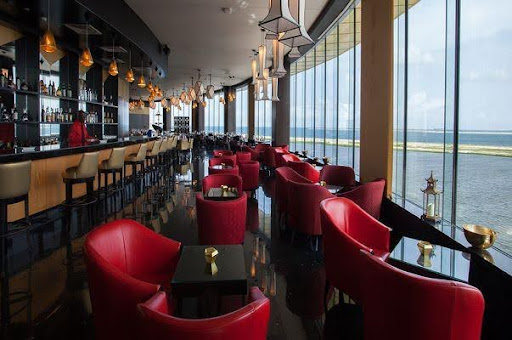
This one’s obvious, but still worth unpacking. Restaurants and lounges aren’t just date venues; they’re discovery spaces. Group hangouts turn into side conversations. A birthday dinner becomes a soft introduction. Someone brings a friend, someone notices someone else, and suddenly, it’s February.
During Valentine’s season, these spaces lean hard into mood—low lights, themed menus, live music. They’re not selling food alone. They’re selling context. A reason to linger. A reason to talk.
For the business owner, the math works. Fixed menus simplify operations. Table turnover slows, but ticket size rises. Drinks flow. Photos get posted. New customers return later, outside Valentine’s, when the pressure is gone.
2. Events, Pop-Ups, and Curated Experiences
Here’s where things get interesting. Singles mixers, paint-and-sip nights, game nights, poetry readings—February turns niche events into mainstream social tools. People who wouldn’t normally attend now have an excuse. It’s Valentine’s season.
Event organizers understand this psychology. They brand gatherings around connection, not desperation. Networking, but softer. Socializing, but purposeful.
And because these events are time-bound, there’s urgency. Tickets sell faster. Sponsorships become easier to secure. Brands love events that feel emotional without being awkward. You know what? For many people, this feels safer than cold approaches. And businesses quietly benefit from that comfort.
3. Gyms and Wellness Spaces
It sounds counterintuitive until you think about it. Gyms are routine-based environments. Same faces. Same schedules. Familiar nods that slowly turn into conversations. February just accelerates what’s already brewing.
Some gyms organize partner workouts, fitness challenges, or Valentine-themed classes. Wellness studios host yoga sessions or self-care events branded around love and balance.
For members, it feels organic. For gym owners, it’s retention marketing. Engagement rises. Merchandise sells. Membership renewals become easier because community has formed. Connection plus consistency is powerful. Businesses that manage both rarely struggle in February.
4. Churches and Faith-Based Gatherings
This part often gets overlooked, but it matters. Churches, fellowships, and faith-based organizations play a quiet role in Valentine connections. Special services, relationship seminars, singles programs—February brings attendance spikes.
These spaces offer something many dating environments don’t: shared values. That alone reduces friction. Conversations feel purposeful, not performative.From a business angle, ancillary services benefit—event planners, caterers, decorators, media teams. Valentine-themed programs require logistics, and logistics mean spending. It’s structured connection. And structure attracts people who are tired of chaos.
5. Co-Working Spaces and Professional Communities
Here’s a mild contradiction: people say work and romance shouldn’t mix. Yet connections form where people spend time. And increasingly, that’s co-working spaces.
February social events—happy hours, mixers, collaborative sessions—create low-stakes interaction. People bond over deadlines before they bond over dinner. For co-working operators, Valentine’s is a branding moment. Community feels warmer. Space utilization improves after hours. Members invite friends. Non-members visit. The revenue isn’t always direct, but the long-term value shows up in loyalty and word-of-mouth.
6. The Digital Spillover Nobody Talks About
Offline connections don’t stay offline. A restaurant date leads to tagged posts. An event leads to shared stories. A gym selfie sparks DMs. Valentine’s season feeds digital visibility, and businesses ride that wave.
Some brands even design spaces with this in mind—lighting, signage, backdrops. They know customers will market for them, unintentionally. This is where modern Valentine commerce gets subtle. The customer thinks they’re just living their life. The business gains reach, credibility, and future sales.
7. Why These Places Work
All these venues share one thing: low pressure, high proximity. People meet when they’re relaxed, engaged, and open. Valentine’s season simply heightens those conditions. It gives permission. Permission to talk. To linger. To ask questions that might feel strange in March. Businesses don’t manufacture love. They host it. And hosting—when done well—is profitable.
So, Who’s Really Cashing In?
Not just the obvious players. It’s the event planner, the DJ, the decorator, the fitness instructor, the community manager. It’s the café owner who stayed open late. The co-working operator who hosted one extra mixer. The church media team that covered a Valentine program.
Valentine’s season rewards spaces that already bring people together. February just turns up the volume. And maybe that’s the lesson. Connection has always been economic. Valentine’s just makes it visible.