




High-level negotiations between the United States and Iran have been brought back from the brink of collapse after the White House agreed to move the summit from Turkey to Oman. The talks, scheduled to begin at 10:00 AM on Friday, February 6, 2026, were nearly cancelled on Wednesday after the Trump administration initially rejected Tehran’s last-minute demand to change the location and narrow the agenda.
The deadlock was broken only after a coalition of at least nine Middle Eastern and Muslim nations, including Qatar, Egypt, and Saudi Arabia lobbied Washington to remain at the table to avoid a potential regional military escalation.

The dispute centered on the scope and format of the meeting. The US, led by Secretary of State Marco Rubio and Special Envoy Steve Witkoff, originally pushed for a multilateral forum in Istanbul that would include Iran’s ballistic missile program and its support for regional proxies. Iran, however, insisted on a strictly bilateral, nuclear-focused meeting in Muscat, viewing its missile defense as non-negotiable.
By relenting on the venue, the White House has signaled a pragmatic, if skeptical, willingness to engage, though Rubio warned that “meaningful” results must eventually address Iran’s broader military activities.
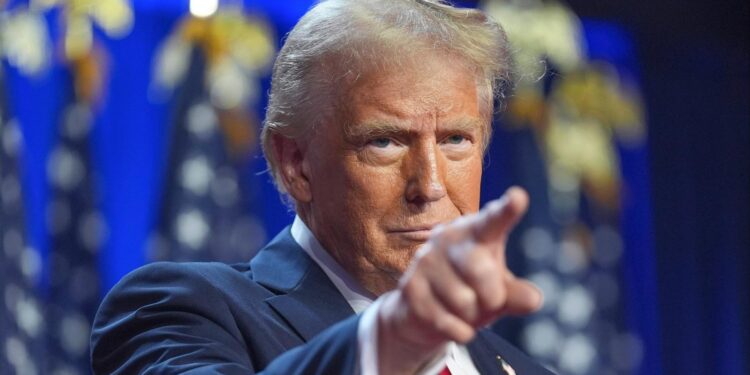
The stakes for the Friday summit are heightened by a significant US military buildup in the Persian Gulf. President Donald Trump recently warned that “bad things” would happen if a deal is not reached, a sentiment underscored by the recent US shootdown of an Iranian drone over the Arabian Sea.
Iranian Foreign Minister Abbas Araghchi, who will lead the Tehran delegation alongside supervision from Supreme Leader Ali Khamenei, expressed gratitude to Omani officials for the “necessary arrangements,” framing the talks as a critical window to de-escalate tensions that have neared the point of open conflict.
This meeting marks the most significant diplomatic attempt to revive relations since a series of air strikes in June 2025 severely damaged Iran’s nuclear infrastructure.
While the White House remains “very skeptical” of a breakthrough, the involvement of Jared Kushner,who has been a key figure in recent regional negotiations suggests a high-level push for a “fair and equitable” deal. For the Omani mediators, the goal is to secure a broad statement of de-escalation that could pave the way for a more permanent long-term agreement.