









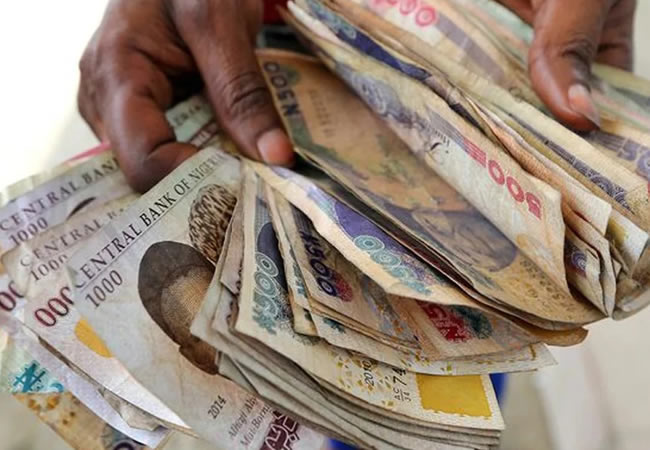
Liquidity in Nigeria’s money market expanded sharply to ₦6.12 trillion on Tuesday after the Central Bank of Nigeria (CBN) declined to allot nearly ₦5 trillion in bids at its Open Market Operations (OMO) auction.
The financial system closed the day in a strong net long position, buoyed by an OMO maturity repayment of ₦2.14 trillion and increased liquidity placements by deposit money banks.
Market data showed that banks significantly increased their deposits at the CBN’s Standing Deposit Facility (SDF), with total placements rising to ₦3.92 trillion. Meanwhile, institutions facing short-term funding gaps accessed ₦14.30 billion through the Standing Lending Facility (SLF).
Despite the surge in system liquidity, funding rates remained elevated. The overnight lending rate and the open repo rate (OPR) held firm at 22.79% and 22.50%, respectively, according to figures from the FMDQ Exchange.
In the secondary market, Nigerian Treasury bills traded on a bullish note as investor appetite for naira-denominated assets intensified. As a result, the average benchmark yield dipped marginally by 1 basis point to close at 18.45%.
Similarly, the secondary market for OMO bills recorded modest gains, with average benchmark yields edging down by 1 basis point to 22.15%, reflecting sustained buying interest.
Analysts expect liquidity conditions to remain relatively strong in the near term, even with upcoming debits from the recent FGN bond auction and anticipated OMO operations. However, system liquidity is projected to tighten following the settlement of ₦1.54 trillion for the January 2026 bond auction.
The CBN had offered ₦600 billion in OMO bills across two standard tenors in an attempt to mop up surplus liquidity. Although investor demand was robust—totalling ₦4.9 trillion—the auction ended without any allotment, leaving liquidity levels elevated.









 declined to allot nearly ₦5 trillion in bids at its Open Market Operations (OMO) auction.)