






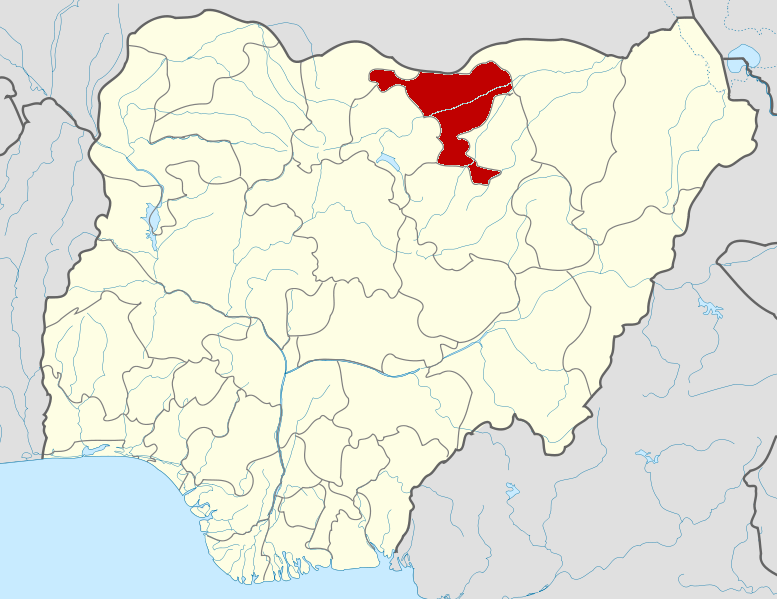
The Jigawa State and Local Governments Contributory Pension Scheme has finalized the distribution of ₦12.61 billion to more than 5,000 pensioners across the state. This cumulative expenditure represents the total payout since 2024. Muhammad Dagaceri, the State Head of Civil Service, announced the milestone during a ceremony in Dutse where a fresh ₦1.5 billion was released to 592 newly retired workers.
Financial records provided during the launch indicate a consistent increase in funding for retiree welfare over the last three fiscal years. In 2024, the state disbursed ₦5.42 billion to 2,033 individuals.
This was followed by a 2025 allocation of ₦5.68 billion benefiting 2,211 retirees. The current 2026 tranche of ₦1.51 billion serves as a continuation of the reform agenda initiated by Governor Umar Namadi to ensure prompt payment of terminal benefits.
Bilyaminu Shitu Aminu, the Executive Secretary of the pension board, explained that the latest ₦1.51 billion payout covers retirement benefits, death benefits, and death pension balances. The funds are distributed across three main categories of service. State government retirees received ₦562.3 million while local government counterparts were paid ₦318.1 million.
Additionally, retirees from Local Education Authorities were allocated ₦283.8 million as part of their comprehensive entitlements.
The board also prioritized the families of deceased workers by processing ₦289.9 million in death benefits. This specific funding was shared among 93 families of former state, local government, and education staff.
Under the death pension balance category, another ₦56.5 million was distributed to 43 beneficiaries. The Executive Secretary emphasized that the board is currently up to date with all payments, ensuring that those who died in active service are also included in the settlement.
Government officials have described the current system as one of the most reliable in Nigeria. The Head of Service noted that the committee established in 2023 to reform the contributory scheme has succeeded in making payments more transparent and efficient. He urged current civil servants to remain committed to their duties as the state continues to prioritize the financial security of its workforce after retirement.