




The Federal Government has said it will not allow public universities to be shut again over labour disputes, pledging to do ‘everything humanly possible’ to prevent fresh industrial action by the Academic Staff Union of Universities (ASUU).
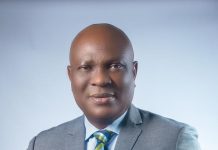
Speaking to State House correspondents on Tuesday, the Minister of Education, Dr Tunji Alausa, said President Bola Tinubu had issued a clear directive to keep students in classrooms while accelerating transparent, data-driven reforms across Nigeria’s tertiary education system.

“The President has mandated us that he doesn’t want ASUU to go on strike. We are doing everything possible to ensure students stay in school,” Alausa said. “The last strike of about six days was unnecessary. We have met almost all their demands, and we are back at the negotiation table.”
Alausa noted that he had earlier briefed the President on ongoing discussions with the union and secured further concessions aimed at securing a peaceful resolution.
He added that the administration is committed to strengthening accountability in tertiary institutions, driving reforms with evidence-based governance.
“Tertiary institutions receive almost 100 per cent of their funding from the Federal Government. If you don’t have data, you are flying blind,” he said. “You need data to know where the problems are, how to intervene, and how to monitor outcomes.”
As part of efforts to entrench transparency, the government on Tuesday launched the Federal Tertiary Institution Governance and Transparency Dashboard — a digital platform mandating federal universities, polytechnics and colleges of education to publicly disclose key institutional data, including student enrolment, personnel and capital allocations, TETFund and NELFund interventions, and endowments.
The portal, Alausa said, is publicly accessible and will help restore Nigeria’s universities to global competitiveness. The platform will later be extended to state-owned and private institutions, with the NUC, NBTE and NCCE expected to enforce compliance.
To further tighten oversight, the ministry also invited the Director-General of the Bureau of Public Procurement, Dr Adebowale Adeokun, to brief heads of tertiary institutions on procurement rules and standards.
Alausa blamed previous instability on fragmented negotiation frameworks that placed universities, polytechnics and colleges of education under separate committees, creating conflict and delays. He said the Federal Government has now collapsed all negotiations under the Alhaji Yayale Ahmed-led committee — which is engaging all academic and non-academic unions, including ASUU, ASUP and COEASU.
“The same committee is talking to ASUU, ASUP and COEASU. Everything is calm,” he said. “I spoke to the ASUP president yesterday; there is no ultimatum from any union.”
Alausa linked the reforms to broader macroeconomic adjustments under the Tinubu administration — including subsidy removal, foreign exchange reforms, and new tax legislation — adding that GDP grew by 4.23 per cent in the last quarter, which he described as proof that the economy is recovering.
Despite the assurances, lecturers and students remain cautious after years of disruptions. But the government insists it is putting in place structures to guarantee uninterrupted learning.
For now, the message from the Presidency is clear: universities must remain open — and there should be no return to prolonged ASUU strikes.