






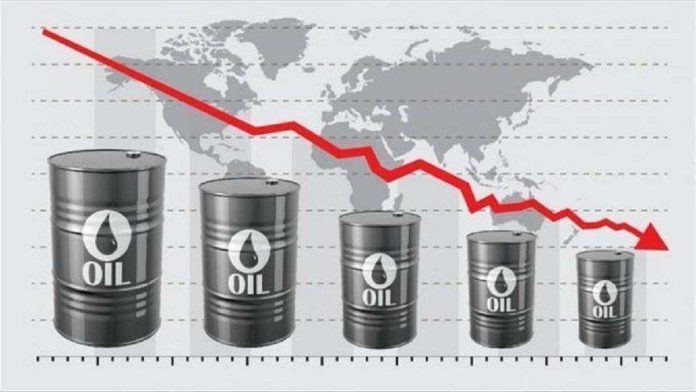
Crude oil prices climbed on Monday following an announcement by the Organization of the Petroleum Exporting Countries and its allies (OPEC+) to temporarily halt further production hikes in a bid to avert a potential oversupply in global markets.
The group’s decision comes amid concerns over slowing demand and heightened geopolitical tensions linked to the ongoing Russia-Ukraine conflict, which have increased volatility in energy markets.
At the start of trading, Brent crude rose by 1% to $65.21 per barrel, compared to the previous close of $64.57, while U.S. West Texas Intermediate (WTI) increased by 1.1% to $61.37 per barrel.
OPEC+ announced that eight of its member nations—Saudi Arabia, Russia, Iraq, the UAE, Kuwait, Kazakhstan, Algeria, and Oman—will increase oil production by 137,000 barrels per day (bpd) in December but pause further increases from January to March 2026 to prevent a potential supply glut.
The decision follows a similar 137,000 bpd output hike approved for November, signaling a gradual rollback of the 1.65 million bpd voluntary production cuts made in April 2023. The organization described the move as consistent with “healthy market fundamentals” supported by low global stockpiles.
OPEC+ reiterated its pledge to monitor global oil demand trends closely and maintain flexibility to adjust output depending on market shifts. The group also reaffirmed the continuation of 2.2 million bpd voluntary cuts first introduced in November 2023.
Analysts say the decision highlights OPEC+’s efforts to manage market stability amid uncertain conditions.
“This period is typically one of reduced demand,” noted Daniel Hynes, Senior Commodity Strategist at the Australia and New Zealand Banking Group (ANZ). “By pausing further hikes, OPEC+ is signaling an awareness that the market may struggle to absorb additional supply—especially if disruptions to Russian exports are short-lived.”
Meanwhile, the Russia-Ukraine conflict intensified over the weekend, with both nations targeting critical energy infrastructure as winter approaches.
According to Ukrainian officials, overnight Russian drone strikes triggered a fire at a truck parking area in the Odesa region, killing two people and disrupting energy supplies. Governor Ivan Fedorov reported that nearly 58,000 residents in Zaporizhzhia lost power following the attacks.
Ukraine’s Air Force said it intercepted 67 out of 79 drones and two Iskander-M ballistic missiles launched by Russia.
In southern Russia, authorities in Krasnodar reported damage to an oil terminal and tanker in the port of Tuapse after debris from intercepted Ukrainian drones fell on the site. Emergency services confirmed there were no casualties but noted that a nearby railway station also sustained minor damage.
As geopolitical risks escalate, energy analysts say oil prices may remain supported in the near term despite concerns about slowing consumption.