










The Central Bank of Nigeria (CBN) successfully generated about ₦7 trillion through six Open Market Operations (OMO) auctions held in October 2025, as part of strategic efforts to absorb excess liquidity from the financial system and attract foreign exchange inflows from offshore investors.
This marks a significant shift in the apex bank’s monetary approach, following only a single OMO auction conducted in September.
According to data from the CBN, a total of ₦6.99 trillion worth of OMO bills were sold to qualified investors—including deposit money banks and foreign portfolio investors—showing a sharp increase from the ₦620.65 billion sold in the previous month.
The aggressive liquidity mop-up drive was initiated to address excess cash in the banking system, which averaged ₦3.18 trillion in October. This move has consequently tightened rates in the money market, reflecting the regulator’s determination to rein in inflationary pressures and stabilize the naira.
During its end-of-month auction, the CBN introduced new short-term OMO bills with maturities of 46 days and 60 days, signaling a more flexible liquidity management framework.
Analysts at Meristem Securities Limited noted that the introduction of shorter-tenor bills indicates a strategic liquidity control mechanism rather than a typical investment issuance.
“Given the sustained liquidity levels, we expect the CBN to maintain this pace, offering short-tenor bills as the market demands,” Meristem said in its report.
“These issuances not only absorb excess naira liquidity but also create avenues to attract foreign portfolio investors through competitive yields.”
The firm further highlighted that the continued issuance of OMO bills could help strengthen foreign exchange inflows, supporting stability in the naira and enhancing overall market confidence.
With monetary tightening measures still in effect, analysts believe the CBN will persist with its OMO strategy in the near term to balance liquidity conditions and sustain investor participation.

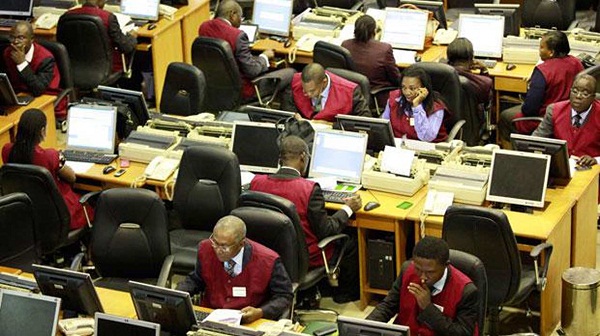







 successfully generated about ₦7 trillion through six Open Market Operations (OMO) auctions held in October 2025, as part of strategic efforts to absorb excess liquidity from the financial system and attract foreign exchange inflows from offshore investors.)